


Are Hybrid Chickens Better Than Pure Breed Chickens?
It has long been thought that Hybrid chickens are better laying hens than pure breeds, it is true that Hybrid chickens will lay large amounts of eggs, but does this make them better than pure breeds for egg production and long term gains? Are Hybrid chickens easier to care for, or do they actually need more care and supplements than Pure Breeds?
What Are Hybrid Chickens?
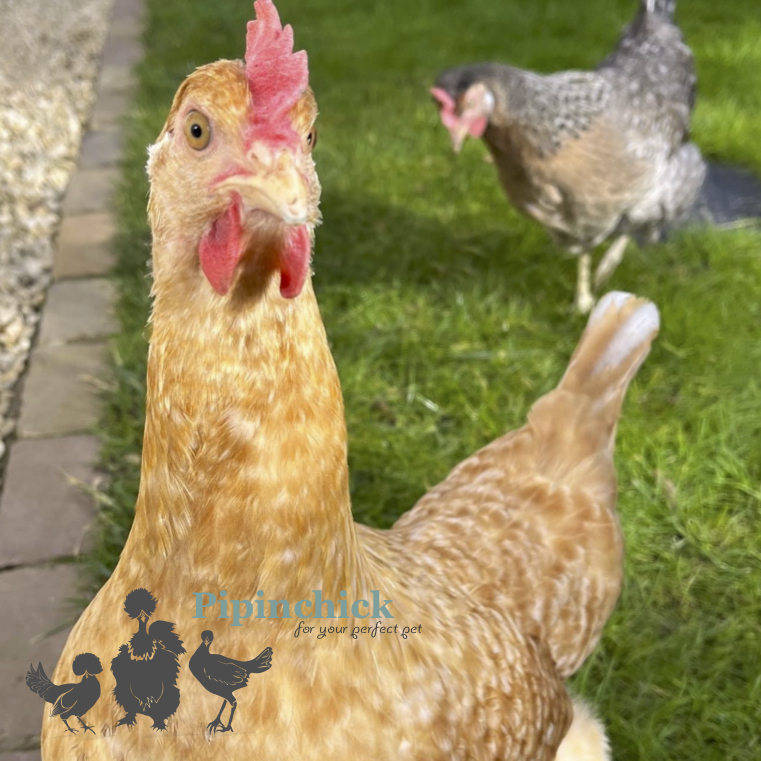
Hybrid hens are a relatively new concept in the chicken world, they come in many varieties and have varying temperaments. Hybrid literally is described as "a thing made by combining two different elements" which in chicken terms means a mix of different chickens breeds. Hybrid hens are a chicken that has been created in a lab using genes from different pure breed hens that have good laying capabilities, sadly they are a means to an end creation, born out of high demand for the mass production of eggs for human consumption. Initially created for mass production egg farms, but over the years have become available in many varieties for the back-garden keeper. The result is a Hybrid race of hens that are genetically modified to produce large quantities of eggs.
What Are Pure Breed Chickens?
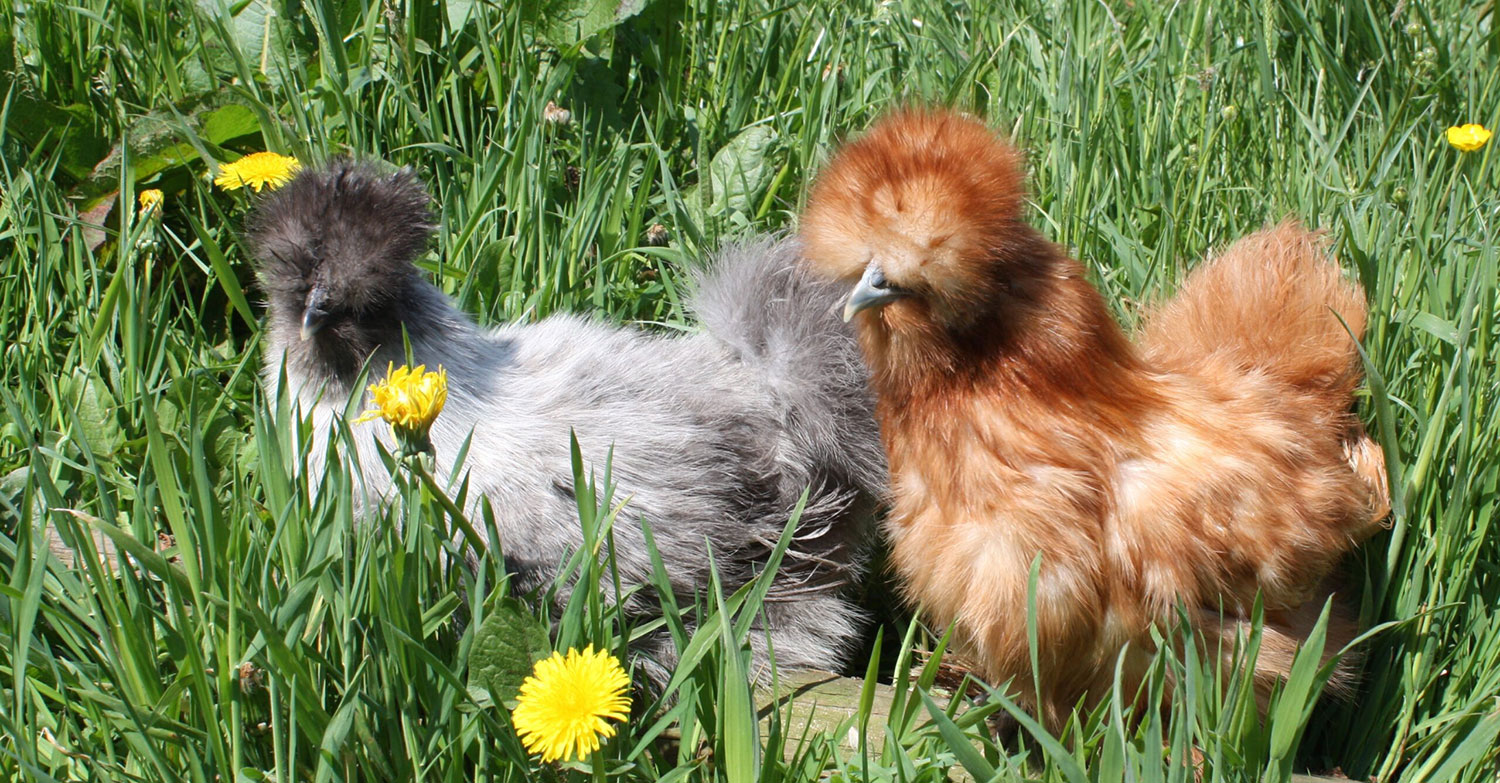
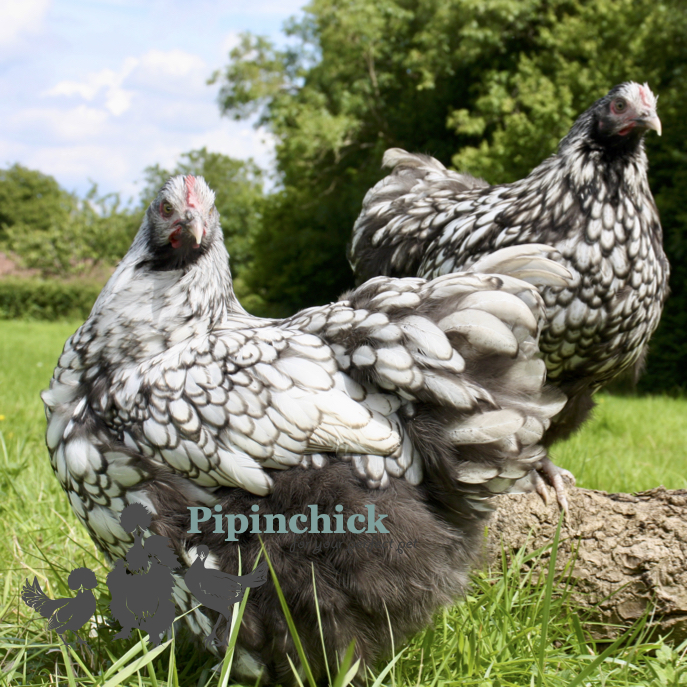
Pure breed hens or Heritage breeds as they are also known are exactly that, they are chickens that have been bred over generations to create the breeds that we know today. They have not been genetically enhanced or created in a lab. Some pure breeds like the Silkie chickens can be dated back over 1000 years. Pure Bred chickens have a natural laying cycle that is not stressed, they often have more gentle and calmer temperaments and come in 100s of different varieties with stunning plumage and colourings. They also come in different sizes from Giant breeds like the Cochin to tiny true bantams like the Sebright. Pure breed chickens will also breed true, unlike Hybrids.
Hybrid Chickens - The Myths
Hybrid Chickens Are the Best for Laying Lots of Eggs...
Hybrids have often been thought of as the best hens to get if you want lots of fresh eggs, this is due to the fact they can produce vast numbers of eggs per year, some can lay over 300 eggs in a 12 month cycle, that's nearly an egg a day! Sounds great doesn't it? Fresh eggs laid nearly daily... whilst this is true and you will have a fantastic egg production initially, their laying life is short, like a sprinter they can offer high performance and intensity but not for long periods. Hybrid chickens often burn out at the age of 3 years old, their bodies give up trying to sustain such a high intensity of egg production. Some may stop completely but some will have sporadic periods of on and off laying, this can cause all kinds of health issues including stuck eggs in their reproductive systems leading to infections, egg peritonitis, a horrible condition where egg yolks are absorbed into their bodies instead of following their reproductive tract, causing internal infections.
Pure breed chickens have a natural laying cycle, they have not been genetically modified to produce unnatural numbers of eggs and as such have less stress on their systems, they will lay you less per year and can often stop during the winter months to rest their reproductive systems, but they will keep laying for longer in life anything up to 8 years. There are many pure breed laying hens that can lay up to 200 eggs a year naturally including: Lakenvelders, Vorwerks, Leghorns, Cream Legbars, Coucou Des Rennes, Appenzellers, Copper French Marans, Rumpless Araucana to name a few.
Hybrid Chickens Live a Long Time....
Hybrid hens actually have a shorter life expectancy than Pure Breeds, due to the excessive strain on their internal systems they tend to only live to be about 5 years old.
Pure Breed Chickens can live up to 11 years, being well cared for and good genetics play a part in a longer life but most pure breeds can live to a ripe old age of 8 years.
Hybrid Chickens Are Great For Back Garden Keepers...
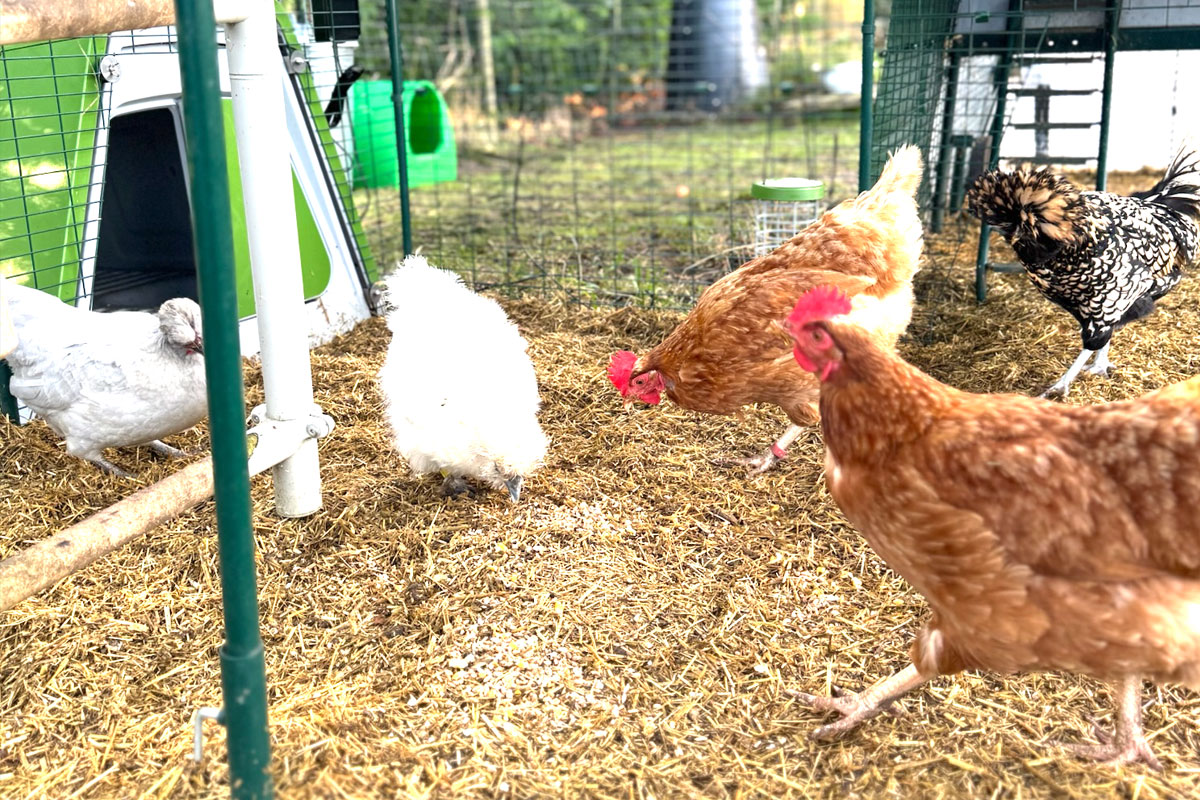
Hybrid chickens need a lot of room to roam, they do not like to be kept in runs all the time and need lots of space to forage and range, they will destroy a small back garden in a matter of months and are not always the most friendly of hens.
Once you get Hybrid hens it is then very hard to mix in new chickens, especially if you want to ad some pure breed hens as Hybrids can be very territorial and bullies.
Most pure breed hens are better suited to back garden set ups as well as free range and foraging environments, they are naturally less aggressive and with good rearing more sociable than Hybrids, they tend to be calmer around people and happier in enclosures. Pure breeds can also be mixed with other different pure breeds more easily then Hybrids offering greater variety in breed choices from tiny bantams being mixed with giant breeds like the big Brahma Chickens you can create a fun and diverse flock of hens.
Hybrid Chickens Need Little Care...
Hybrid chickens are not as robust as you think, due to their high egg production Hybrid hens actually requite a higher level of nutrition and more supplements than your average pure breed laying hen. They need more calcium and protein in their diets, they need regular multi vitamins and tonics to keep them in good health, they need a nutrient dense feed, a cheap pellet feed often isn't good enough. They are are also prone to egg laying issues in later life.
Some more delicate little pure breeds do also require special care and a more specialist environment, however if it's egg layers you want then the pure breed laying hens will be more hardy and less care intensive due to the fact they are not draining their bodies to mass produce eggs, they will require the odd supplement and treats of course but nothing as intensive as a Hybrid hen needs.
Hybrid Chickens Are Easy For First Time Keepers...
Hybrid chickens are lovely birds, they do make good chickens for first time keepers but perhaps don't offer the experience most are looking for. Most chicken keepers start out thinking that they would like some hens to lay eggs, a very valid reason for wanting chickens. Hybrids then seem like the logical choice, but what the new keeper doesn't know is they will stop laying at 2-3 years old, they will damage your garden and trash your lawn, they cannot be kept in a run for long periods of time without causing harm to each other with feather pecking and bullying, they need lots of enrichment and supplements, they have higher feed and nutritional requirements. Then after 2-3 years of managing all this they stop laying and the back garden and new keeper is faced with a choice, keeping hens that no longer lay eggs or having to dispatch and get a new flock in. Not ideal in any sense and not really what the first time keeper is looking for.
With help and guidance from our team at Pipinchick we can help navigate these issues and offer breed suggestions for hens that will be suitable to your environment, many Pure Breed Layers will offer a good amount of eggs per year but offer so much more in the experience of keeping hens for not only laying eggs but companions and pets. Sadly Hybrid hens were created as a throw away item, like fast fashion, but pure bred hens will be with you for many many years an offer you so much more than just eggs.
Pure Breed Vs Hybrid Chickens
A Quick Look.
Overall Lifespan
Pure Breed - up to 10 years
Hybrid - up to 6 years
Egg Laying Lifespan
Pure Breed - up to 8-10 years
Hybrid - 3-4 years
Nutritional Care Needs
Pure Breed Layers - Low to Medium
Hybrids - High and Intensive
Egg Laying Capability Per Year
Pure Breed - up to 200 eggs
Hybrids - up to 300 eggs
Environmental Needs
Pure Breed - Low maintenance, run compatible
Hybrid - High maintenance, need room to roam.
So Which is Best? Hybrids or Pure Breed Layers?
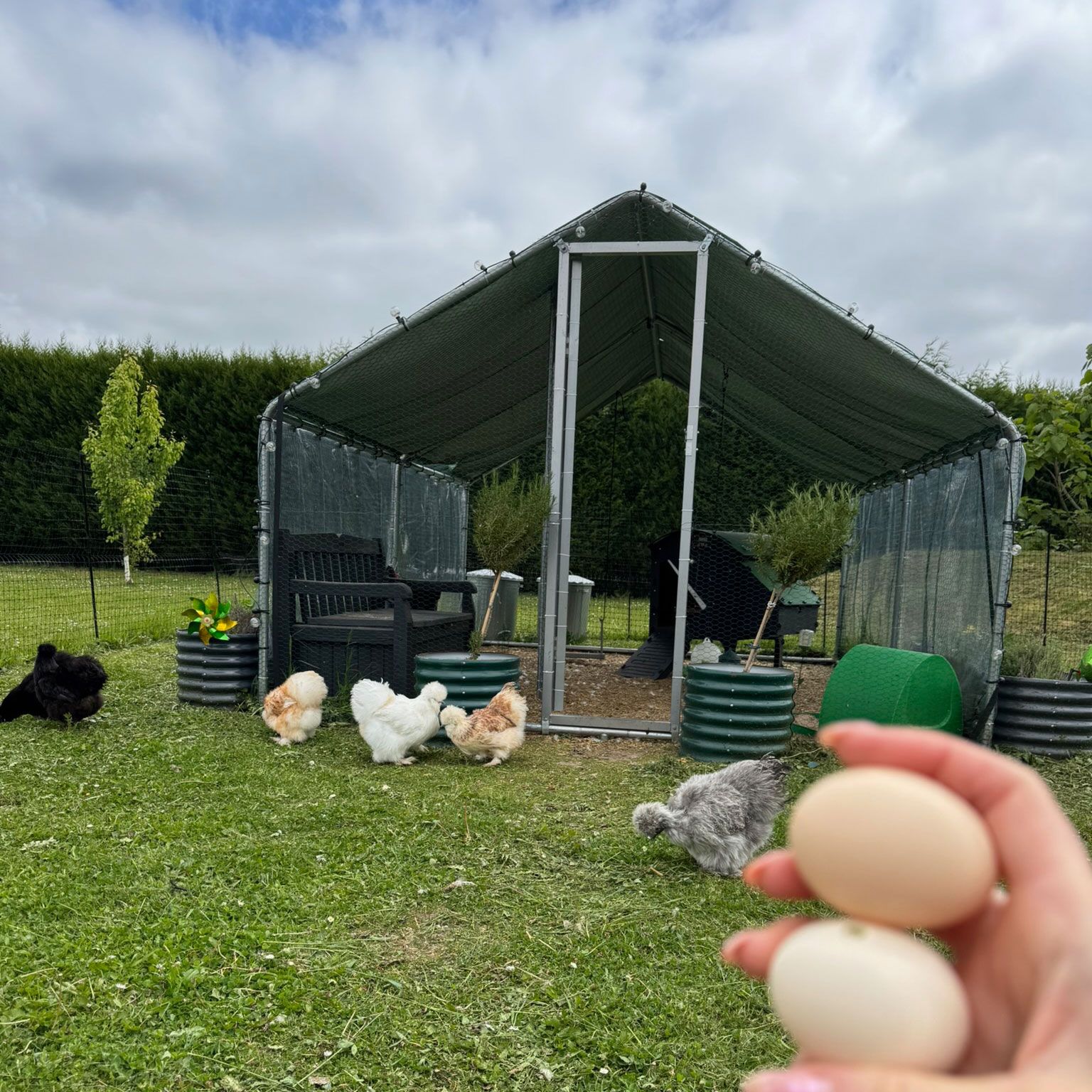
If you're looking for a quick fix of eggs, and can take on the additional care and nutritional needs of the Hybrid Chickens and are willing to replenish the flock after 2-3 years then they may be best for you, but if you're looking for something a little more from keeping chickens then it is Pure Bred Layers all the way! They lay for longer, have better temperaments and come in so many varieties and egg laying capabilities, not to mention the different egg colours you can get. You can create a flock of hens that all look completely different, have lots of variety in characters that will be harmonious together, friendlier and more interactive. In a world of mass production and fast fashion, the Hybrid chicken as a concept doesn't sit well with some, a slower more holistic approach to life can offer you so much more in the long term.