




Find Out the Best Things To Put in a Your Chicken's Run
A chicken run should provide more than a secure patch of ground around the coop. It is where your hens will spend much of their day scratching, foraging, dust bathing, exploring and keeping themselves entertained.
When deciding what to put in a chicken run, it is important to think about your hens’ natural behaviour as well as the practical side of keeping the area clean, dry and secure.
You do not need to fill the run with expensive toys or complicated equipment. A few carefully chosen features can help turn an empty enclosure into an interesting and comfortable space for your chickens.
The best chicken run setup will usually include suitable flooring, shelter from the weather, places to perch, a dry dust bath and a variety of safe enrichment activities.
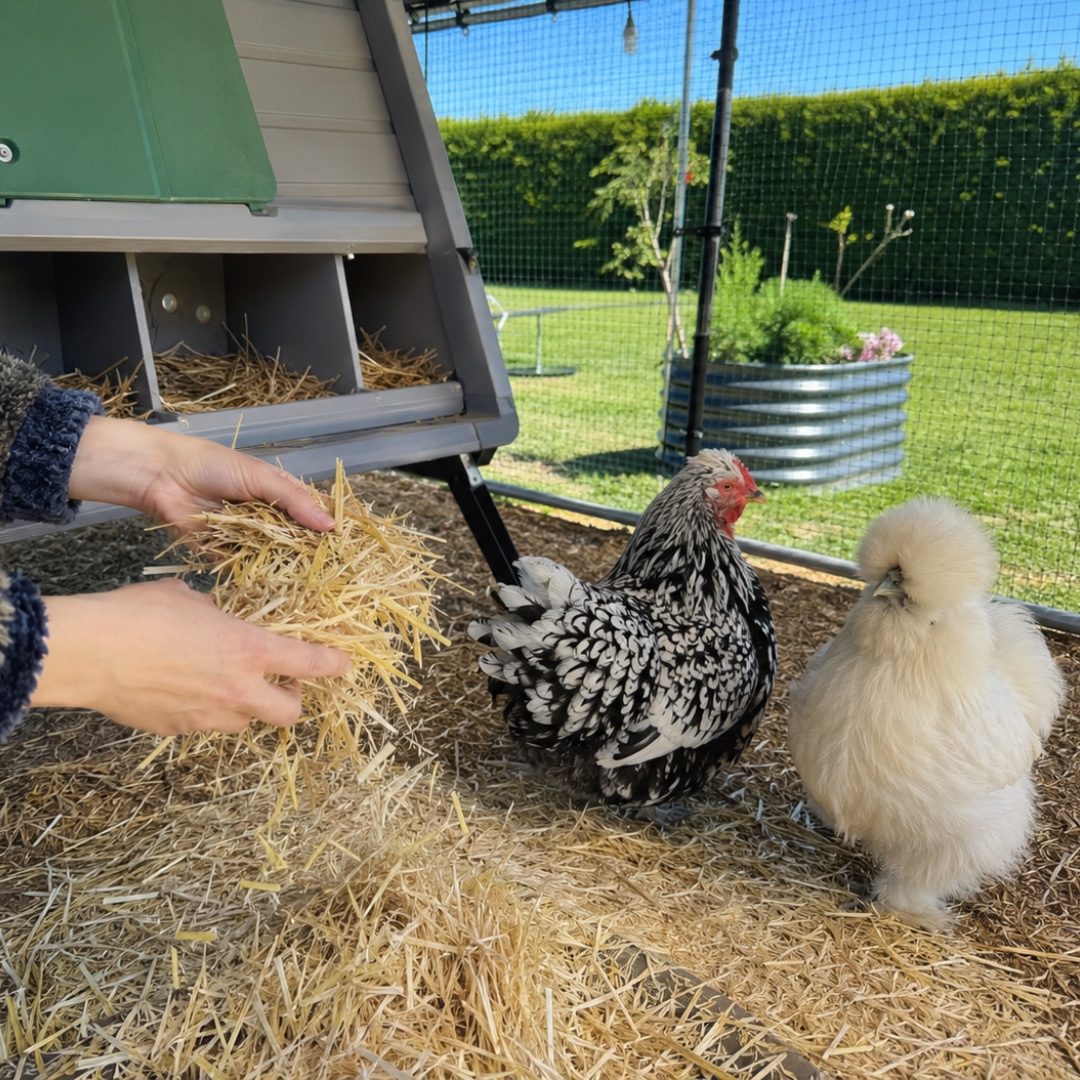
Start With a Safe and Secure Chicken Run
Before adding enrichment or decorations, make sure the chicken run itself is safe.
The fencing should be secure, with no gaps that chickens can squeeze through or predators can enter. Foxes and other animals may also try to dig underneath, so the bottom of the run should be protected.
Check regularly for:
- Loose wire or broken panels
- Sharp edges
- Gaps beneath the fencing
- Weak locks or catches
- Weather damage
- Signs of rodents or digging
The run should give your hens enough room to move around comfortably and get away from one another when needed. This is particularly important if you keep a mixed flock with different breeds, sizes and personalities.
A practical chicken run should also allow you to reach all areas easily so you can remove droppings, refill feeders and inspect the fencing.
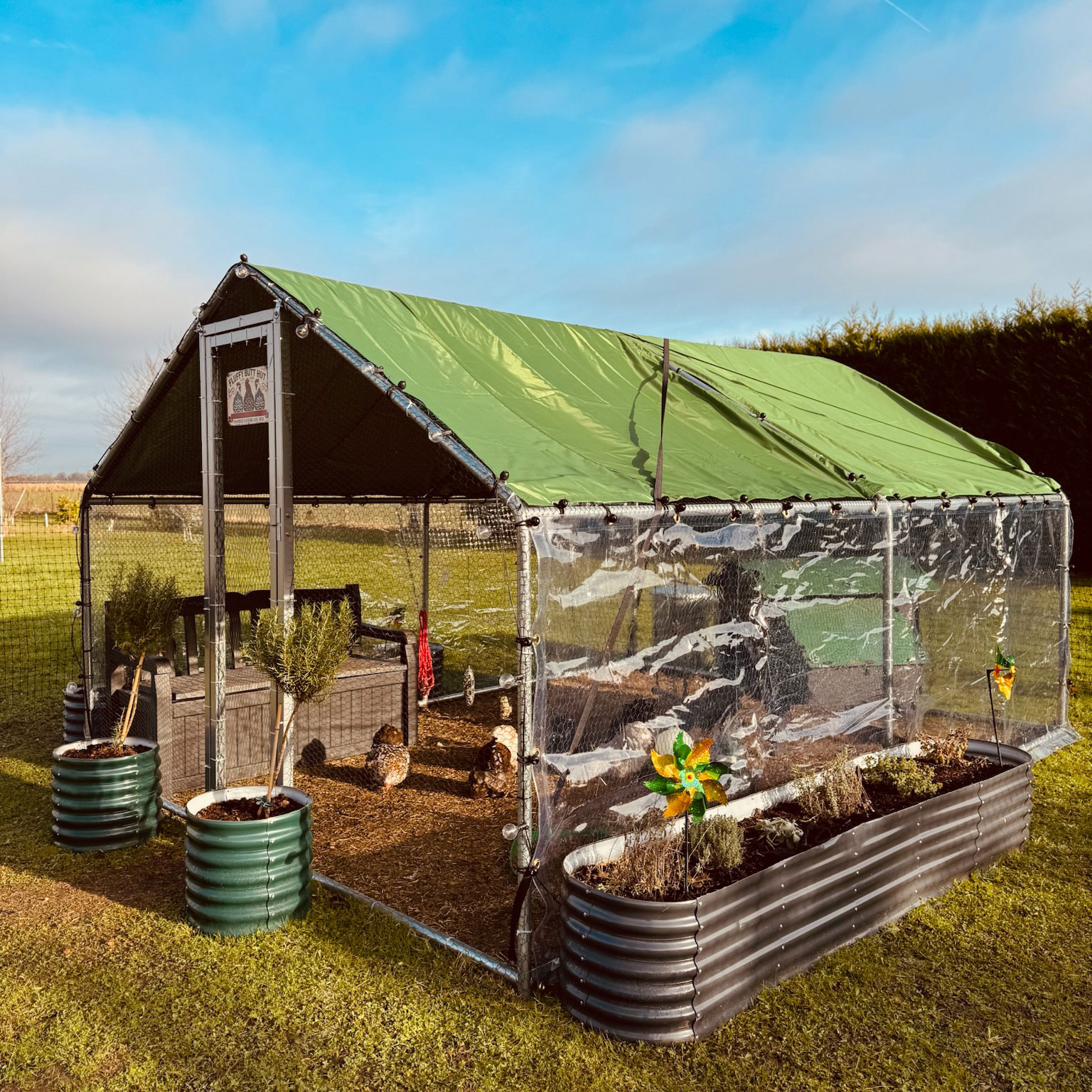
What Is the Best Flooring for a Chicken Run?
Choosing what to put on the floor of a chicken run will depend on whether the run is covered, how well the area drains and how many chickens use it.
Grass may seem like the obvious option, but chickens are very efficient at scratching it up. In a permanent run, the grass will usually disappear quite quickly, leaving bare ground that can become muddy during wet weather.
Suitable chicken run flooring options include:
- Woodchip
- Hardwood bark
- Gravel
- Sand
- Soil
- Paving slabs
A combination of different surfaces
Woodchip is a popular option because it gives hens something to scratch through and can help reduce mud. Choose untreated woodchip and avoid anything made from painted, varnished or chemically treated timber.
Bark can also work well, particularly in larger outdoor runs, but it will gradually break down and mix with droppings and soil. Wet or heavily soiled material should be removed rather than repeatedly covered with fresh layers.
Sand can be useful in a dry, covered run with good drainage. It is easy for chickens to scratch through and droppings can often be removed with a scoop. However, sand may become compacted and waterlogged in an exposed run.
Gravel can help with drainage, while paving slabs are useful beneath feeders, drinkers and around the entrance to the coop. If the entire run is paved, make sure your chickens also have access to loose material for scratching and dust bathing.
In many chicken runs, a mixture works best. You might use slabs around the entrance and feeding areas, with woodchip or soil elsewhere.
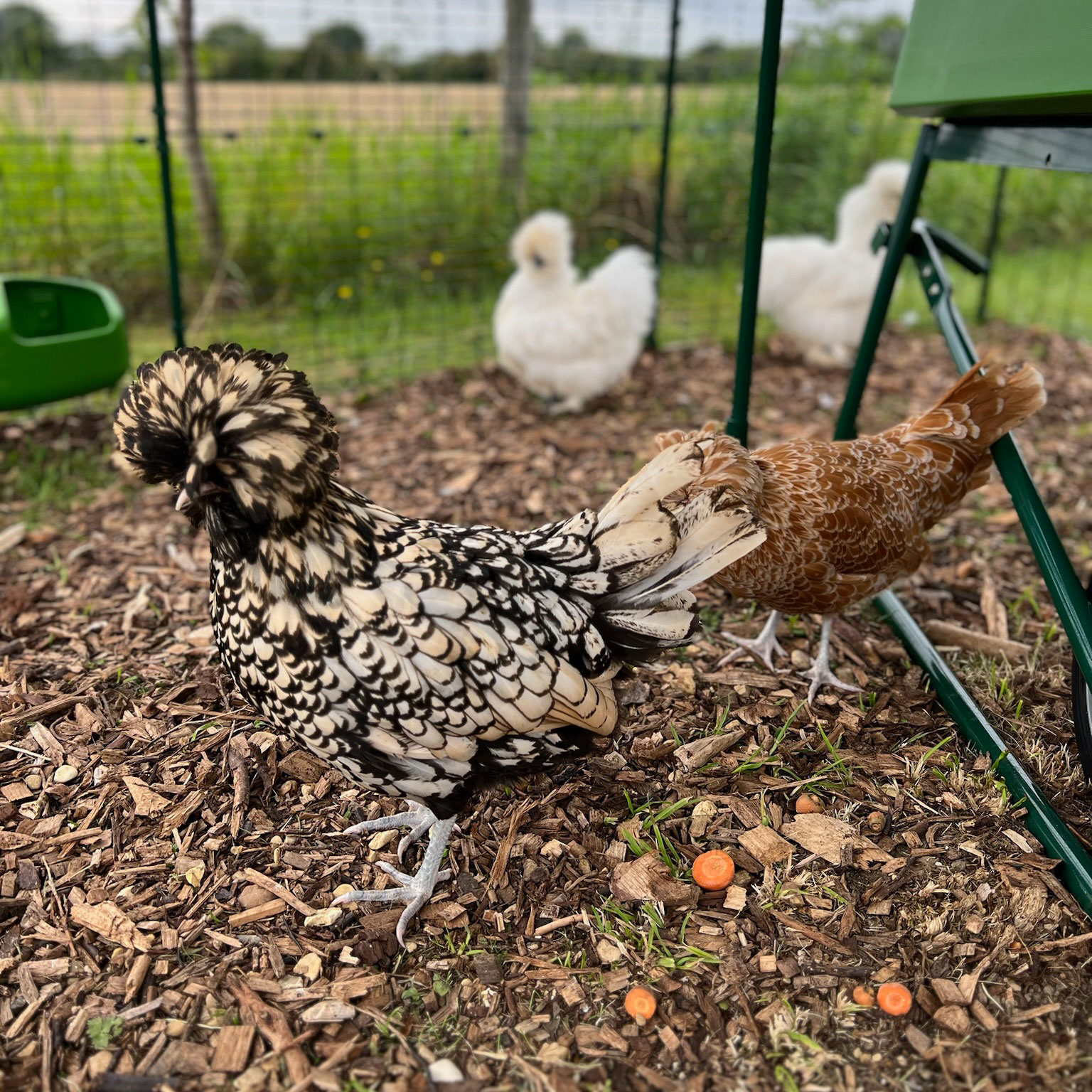
Provide Shelter From Rain and Sun
One of the most useful things to put in a chicken run is a covered area.
Shelter gives chickens somewhere dry during wet weather and somewhere shaded during hot, sunny days. This is especially helpful for Silkies and other heavily feathered breeds that can become wet and muddy more easily.
You could provide shelter using:
- A solid run roof
- Clear corrugated roofing
- A purpose-built chicken shelter
- A covered section beside the coop
- A securely fixed tarpaulin
- A small weatherproof table or platform
Any shelter should be stable and able to withstand strong winds. Make sure the run remains well ventilated and avoid creating low areas where rainwater can collect.
Covering at least part of the run will also help keep food, bedding and dust baths dry.
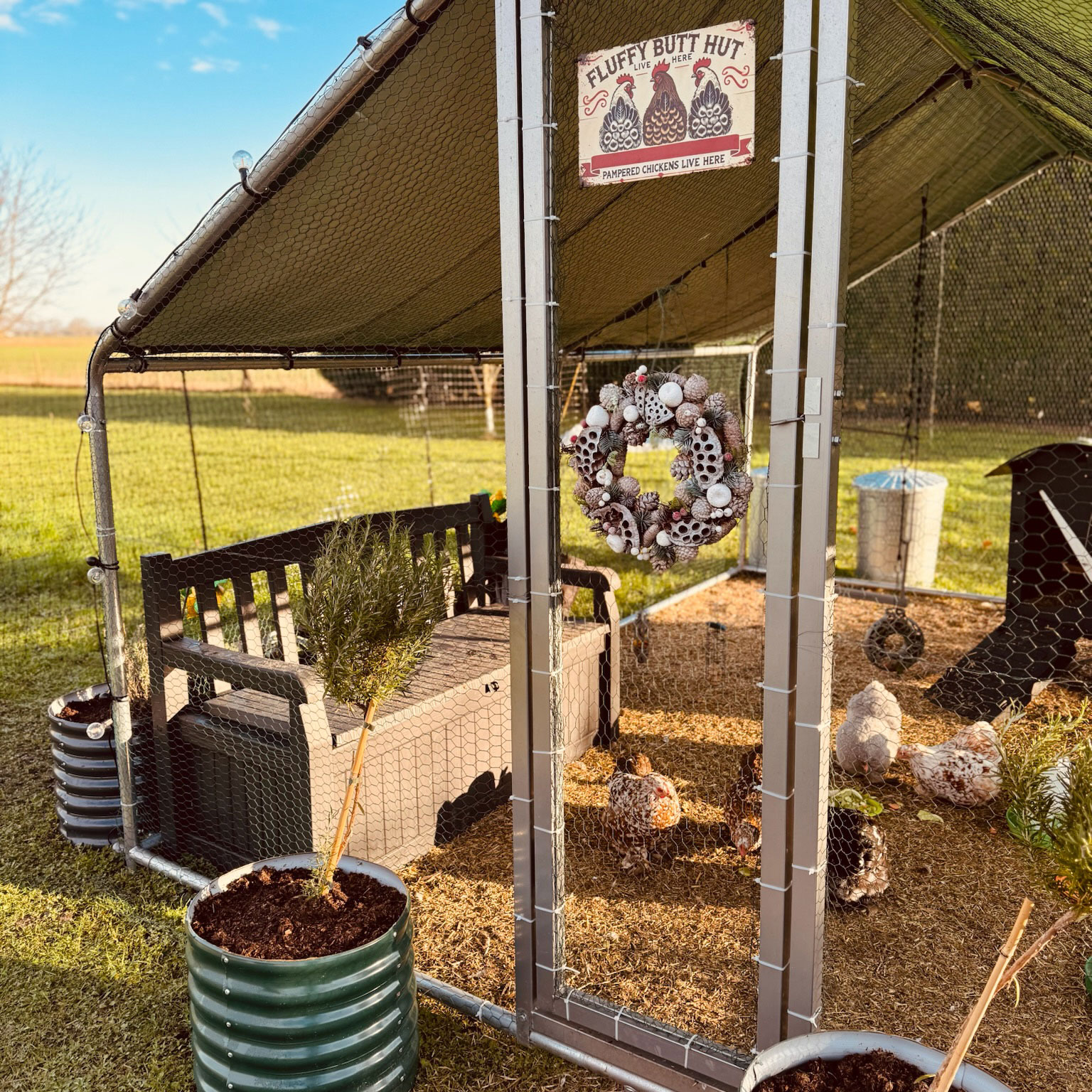
Add a Dust Bath
A dust bath is one of the most important chicken run ideas because it allows hens to carry out a completely natural behaviour.
Chickens use loose soil and dust to help absorb excess oil and keep their feathers in good condition. Dust bathing also provides useful enrichment and may help make the feathers less welcoming to external parasites.
Place the dust bath in a covered area so it stays dry.
Suitable containers include:
- A large shallow plastic tub
- A sturdy storage box
- A children’s sandpit
- An old tyre
- A wooden box with low sides
- A large planter
- Fill the container with dry soil, fine play sand or a combination of both. It should be wide enough for a chicken to lie on her side, stretch her wings and roll around comfortably.
Our guide on how to make a dust bath for chickens includes more advice on suitable containers and materials.
Include Perches and Raised Areas
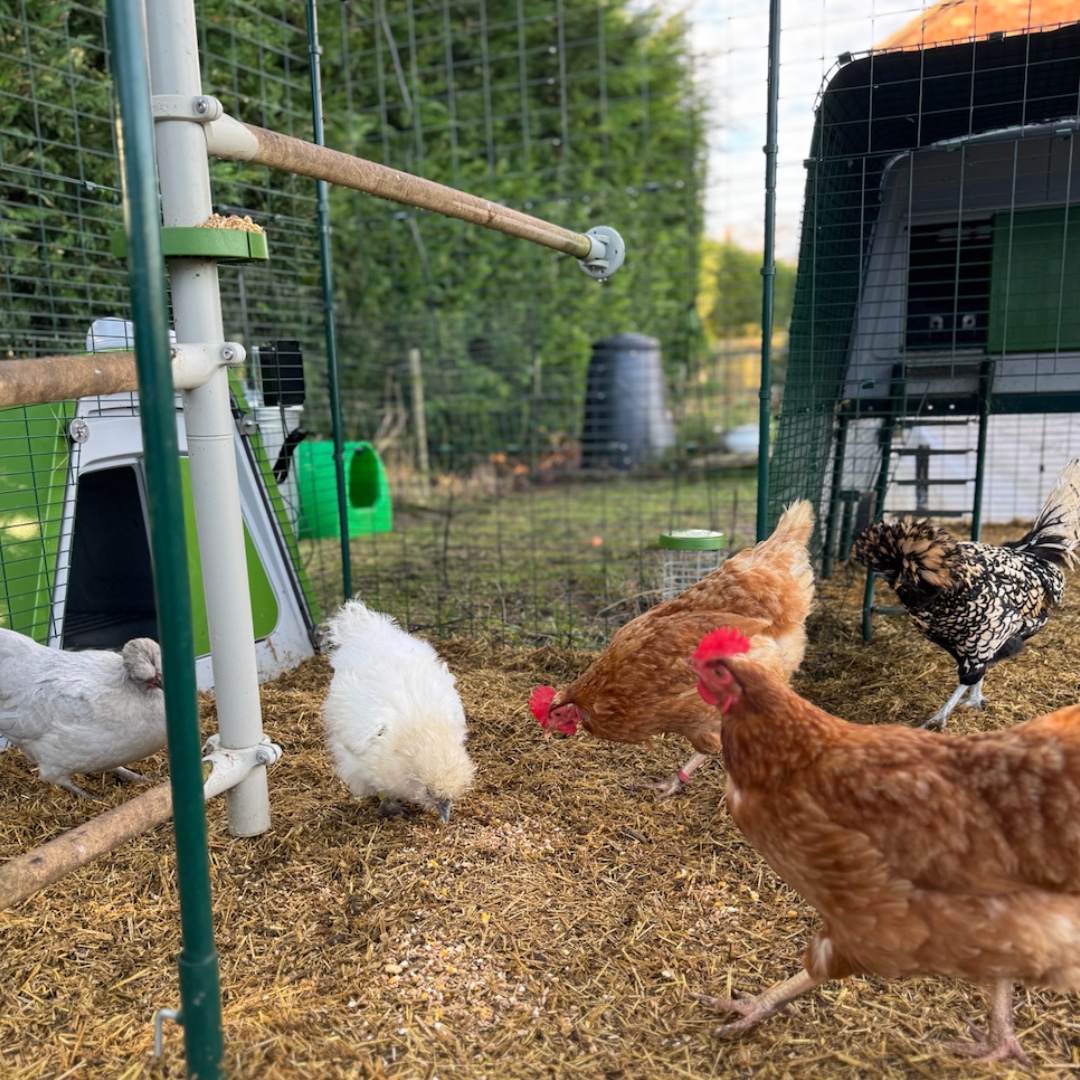
Chickens naturally like to perch above ground level. Adding perches to the run gives them somewhere to rest, observe their surroundings and move away from other members of the flock.
You can use:
- Natural branches
- Smooth wooden poles
- Purpose-built chicken perches
- Low wooden platforms
- Tree stumps
- Strong garden benches
Make sure anything you add is stable and securely fixed. Natural branches should be thick enough for the chickens to grip comfortably and free from sharp points.
Silkies and some heavier breeds may prefer lower perches or broad platforms because they are not always strong flyers. Providing different heights allows each hen to choose what suits her.
Avoid placing high perches directly above feeders, drinkers or areas where other chickens regularly stand.
Create Places to Explore and Hide
A completely open chicken run can feel exposed and may offer very little stimulation.
Adding visual barriers and sheltered corners makes the space more interesting. It can also help lower-ranking hens move out of sight if another chicken is being bossy.
Useful additions include:
Logs
Tree stumps
Low platforms
Large plant pots placed on their sides
Wooden crates
Small shelters with more than one exit
Piles of sturdy branches
Avoid creating narrow hiding places with only one entrance, as a hen could become trapped by a more dominant flock member.
Anything placed in the run should be stable, safe and easy to move when you need to clean underneath it.
Add Chicken Enrichment Activities
Chicken enrichment does not need to be expensive. The aim is simply to encourage natural behaviours such as scratching, pecking, exploring and foraging.
- Simple chicken run enrichment ideas include:
- Hanging a cabbage or leafy vegetable
- Scattering a small amount of suitable food through clean bedding
- Providing a tray filled with soil and dry leaves
- Adding logs that can be turned over occasionally
- Using a safe pecking block
- Providing a chicken treat ball
- Moving perches and objects around from time to time
Food-based activities should be used in moderation. Treats should only make up a small part of your chickens’ diet, with their main food coming from a complete and nutritionally balanced chicken feed.
Avoid using long pieces of string to hang food, as these can become tangled around a chicken’s feet or legs.
Use Natural Materials
Logs, branches and tree stumps are useful additions to a chicken run because they encourage climbing, scratching and exploring.
Chickens may perch on them, stand on them to preen or search around them for insects. Turning a log over occasionally can reveal small bugs and give the flock something new to investigate.
Only use untreated wood. Check natural materials regularly for sharp edges, rot or instability.
You can also add a pile of clean, dry leaves for the hens to scratch through. Avoid anything mouldy or collected from areas that may have been treated with pesticides or weedkiller.
Can You Put Plants in a Chicken Run?
Keeping plants alive inside a chicken run can be challenging. Chickens are likely to scratch around the roots, peck the leaves and stand on anything within reach.
You may have more success growing chicken-safe plants around the outside of the run, where the hens can reach leaves through the wire without destroying the roots.
Plants inside the run can also be protected with sturdy wire cages.
Always check that a plant is safe for chickens before adding it. Avoid anything treated with pesticides, chemical fertilisers or weedkillers.
Position Feeders and Drinkers Carefully
Feeders and drinkers are essential, but where you place them can affect how clean and dry the chicken run remains.
Put them under cover so that rain does not spoil the feed or fill the drinker with dirty water.
Raising feeders and drinkers slightly can help prevent chickens from scratching bedding and soil into them. They should still be low enough for every member of the flock to reach comfortably.
Clean drinking water should always be available. During warm weather, check it several times a day and keep the container in the shade.
If you have a larger flock, provide more than one feeding and drinking point so dominant hens cannot prevent others from eating or drinking.
Keep the Chicken Run Clean
Whatever you decide to put in a chicken run, it should be easy to clean and maintain.
Remove obvious droppings regularly, particularly beneath perches, around feeders and beside the coop entrance.
Replace wet or dirty flooring before it begins to smell. Move logs, shelters and other objects occasionally so you can clean underneath and check for dampness, rodents or mites.
Good drainage is extremely important. Even the best chicken run flooring will become unpleasant if water is allowed to collect.
Our guide on how to keep your chicken coop clean includes more advice on maintaining the coop, run and equipment.
Things You Should Not Put in a Chicken Run
Avoid anything that could cause injury, trap a bird or expose the flock to harmful substances.
This includes:
- Treated or painted timber
- Sharp metal or broken plastic
- Loose netting
- Long pieces of string
- Mouldy food or bedding
- Toxic plants
- Chemical garden products
- Very dusty industrial materials
- Unstable furniture
- Containers that collect deep rainwater
Check second-hand items carefully before using them. Old garden equipment may contain sharp edges, flaking paint or unknown chemical treatments.
Change the Run Occasionally
Chickens are naturally curious, but even an interesting run can become familiar over time.
You do not need to replace everything. Moving a perch, adding a fresh log or changing the position of a scratching tray can give your hens something new to investigate.
During summer, focus on shade and plenty of fresh water. In winter, prioritise dry shelter, drainage and enrichment that will not immediately become wet or muddy.
Creating a Happy and Practical Chicken Run
When deciding what to put in a chicken run, begin with the essentials: secure fencing, suitable flooring, shelter, clean water and enough room for your flock.
You can then add natural features such as perches, logs, hiding places, a dust bath and simple chicken enrichment activities.
The aim is not to fill every available space. Chickens still need open areas where they can walk, scratch and interact comfortably.
A good chicken run should be interesting for your hens but practical for you to clean and inspect. By combining secure housing with varied surfaces, shelter and natural enrichment, you can create a space that helps keep your flock active, comfortable and content.
Find Everything You Need for Your Chicken Run
At Pipinchick, we understand that a secure and well-planned run can make a real difference to your chickens’ everyday health and happiness.
Explore our chicken-keeping supplies for practical products to help you create a clean, comfortable and enriching space, or browse our chickens for sale if you are planning to welcome some new hens into your garden.
The Pipinchick team is also happy to offer friendly advice if you need help choosing suitable supplies for your flock.
Discover Mites, Lice and Parasites That You Might Find on Your Chickens
There are many different parasites that can cause noticeable symptoms in chickens. Some of the most common include:
- Red mites
- Poultry lice
- Worms, including gapeworm
- Scaly leg mites
They are all parasites and can cause an infestation either internally or externally in your hen.
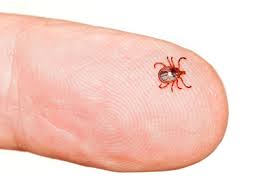
Chicken mites and lice are external parasites that live either on the bird or within the chicken coop and surrounding environment. Some mites, including red mites, feed on your hen’s blood. A serious infestation can lead to anaemia, weakness and a noticeable loss of condition.
Poultry lice generally feed on skin debris, feathers and secretions rather than blood, but they can still cause significant irritation, feather damage and discomfort.
Internal parasites, such as roundworms, hairworms and gapeworm, live inside your hen’s body and use her as a host. They are all unpleasant for your chicken, but most infestations are manageable when identified and treated promptly.
Red mites and poultry lice do not normally live permanently on humans. However, some bird mites can temporarily bite people and cause skin irritation, particularly when there is a heavy infestation.
What Are the Main Symptoms of Mites, Lice and Parasites in Chickens?
The symptoms can vary depending on the type and severity of the infestation. Common signs of mites, lice or worms in chickens may include:
- Pale combs and wattles, potentially caused by anaemia
- Irritability and increased scratching
- Frequent preening or feather pecking
- Feather loss or damaged feathers
- Loss of weight and overall condition
- Reduced egg production
- Loose or runny droppings, sometimes with worms visible in the stool
- Gasping or difficulty breathing
- Loss of appetite and lethargy
- Reluctance to go inside or sleep in the chicken coop
- Raised scales and white or crusty areas on the legs and feet
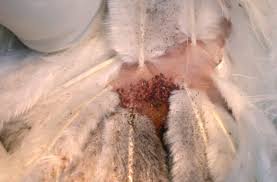
- Small mites or clusters of lice visible around the vent, under the wings or beneath the feathers
Gapeworm is a parasite that lives in the respiratory system. It can cause chickens to stretch their necks, shake their heads, gasp or appear to struggle for breath.
However, breathing difficulties can also be caused by respiratory infections and other serious conditions. A chicken that is gasping, extremely weak or struggling to breathe should be assessed by a poultry-friendly vet rather than treated on symptoms alone.
Red mites live mainly inside the chicken coop and come out at night to feed. One common sign is that hens become reluctant to enter the coop at bedtime or appear unsettled while roosting.
How Are Mites, Lice and Parasites Contracted?
Chicken mites, lice and internal parasites can be contracted in several different ways.
Internal parasites are often picked up when hens consume worm eggs or larvae from contaminated ground, droppings or bedding. These may have come from an infected flock mate or from wild birds.
As hens naturally scratch and forage, they can accidentally ingest contaminated soil or faecal matter. Internal parasites are therefore more likely to become a problem where droppings and damp bedding are allowed to accumulate.
Mites and lice can be introduced by:
- Wild birds
- New or infected chickens
- Rodents and other wildlife
- Contaminated equipment, bedding or transport crates
- An already infested chicken coop or hen house
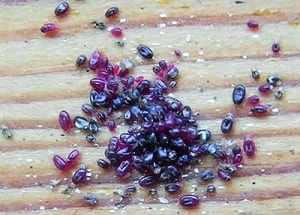
Red mites hide in cracks, joints, perch ends and small crevices inside the chicken house. They can be found in wooden coops, but plastic houses are not completely immune because mites can still shelter around joins, fixings and removable parts.
Red mite problems are generally more noticeable during warmer weather because heat allows their lifecycle to progress more quickly. They may survive for long periods within an empty coop, which is why treating the housing is just as important as checking the hens.
Poultry lice spend most of their lifecycle on the chicken. They are commonly found around the vent, beneath the wings and on the lower body. Their eggs, sometimes called nits, may be seen attached to the base of the feathers.
How to Prevent Mites, Lice and Parasites in Chickens
Keeping a clean environment is one of the main ways to reduce the risk of parasites in chickens.
Regularly clean and disinfect your coop and run using a suitable poultry-safe disinfectant, such as Virkon S, following the product instructions carefully.
Remove droppings regularly and replace dirty or damp bedding before it begins to build up. Depending on the type of litter and the number of birds you keep, bedding may need to be refreshed every two to three weeks or more frequently.
- Pay particular attention to:
- Perches and perch ends
- Nest boxes
- Joints and corners
- Removable trays
- Screw holes and fixings
- Cracks and crevices
- The underside of roofing and felt
If you have a gravel or bark-lined run, remove visible droppings regularly. Bark may need to be replaced periodically, particularly if it becomes wet, dirty or difficult to clean. Gravel can be cleaned using a poultry-safe product where appropriate, following the manufacturer’s dilution and safety instructions.
Have a read of our guide to keeping your chicken coop clean for further advice on maintaining a healthy environment for your flock.
Provide a Dust Bath for Your Chickens
Chickens will naturally try to keep mites and lice at bay by bathing in dry soil or dust. Dust bathing also helps them maintain their feathers and provides an important form of natural enrichment.
A chicken dust bath is very easy to create and can form part of your general parasite-prevention routine.
You can use a ready-made dust bath or make your own using:
- A large tyre
- An old sink or bath
- A wide plastic tub
- A shallow planter
- A children’s sandpit
- A sturdy under-bed storage container
Your dust bath should be positioned in a covered area and kept dry. Chickens may be more inclined to use a tub if it is stable, easy to step into and partly sunk into the ground.
Fill it with a loose mixture such as dry soil and fine play sand. Some keepers also use a small amount of a suitable diatomaceous earth product, although very fine powders can become airborne and irritate the respiratory system.
Always follow the manufacturer’s instructions when using diatomaceous earth or any other powdered product around chickens. Avoid creating clouds of dust and ensure the dust bath is placed in a well-ventilated area.
Our guide on how to make a dust bath for chickens explains which containers and materials you can use.
A dust bath can help chickens perform their natural cleaning behaviour, but it should not be relied upon as the only treatment for an established mite or lice infestation.
How to Prevent Scaly Leg Mites
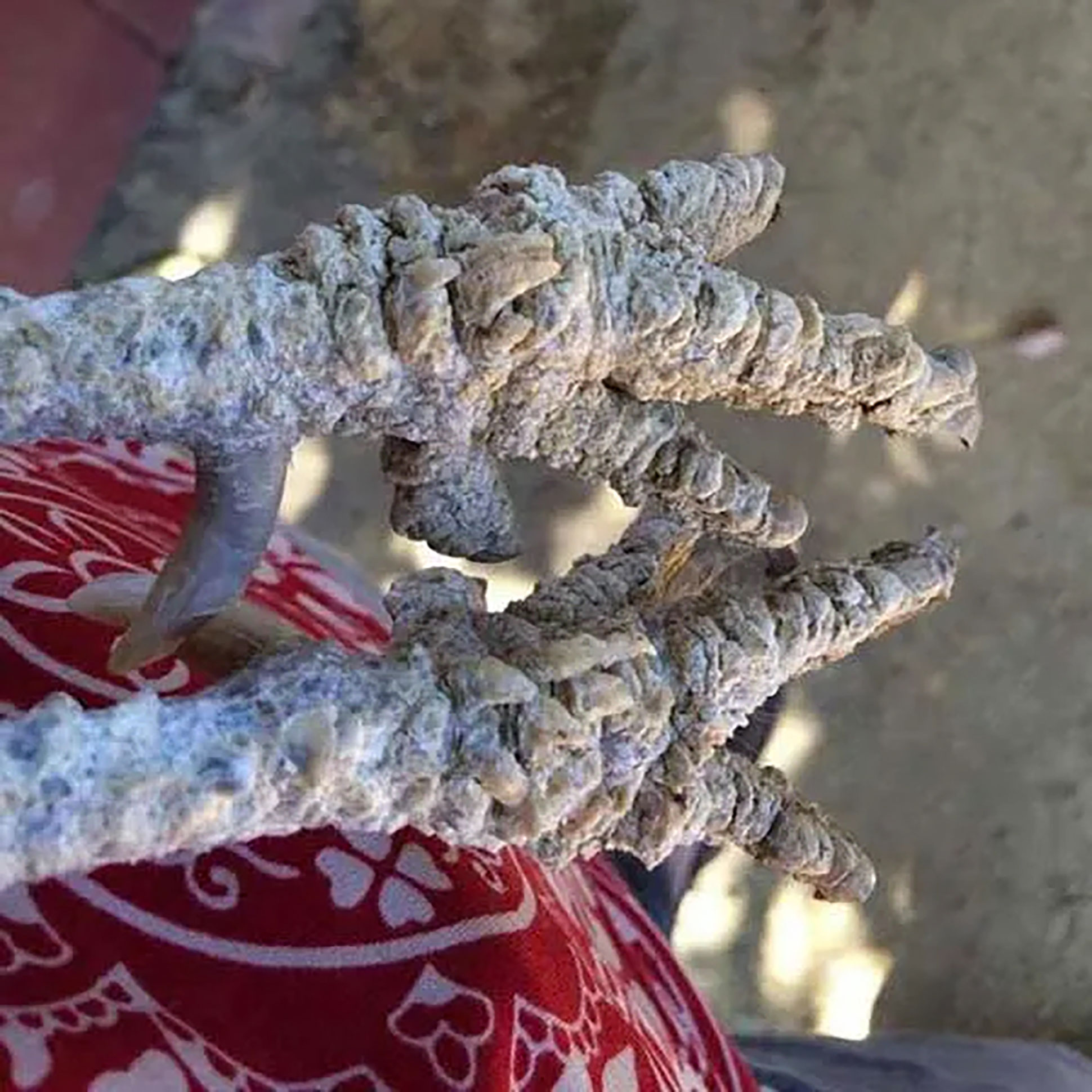
Scaly leg mite is an external parasite that burrows beneath the scales on a chicken’s legs and feet.
It can spread through close contact with affected birds or through a contaminated environment. Early signs include scales that begin to lift away from the leg, often with pale, white or crusty material around their edges.
Regularly checking your hens’ legs and feet will help you spot the signs before the condition becomes more advanced.
Keeping the coop clean and treating affected birds promptly can also help prevent the mites from spreading through the flock.
How to Check for Red Mites in a Chicken Coop
Red mites can be more difficult to detect because they are nocturnal and usually hide within the coop during the day.
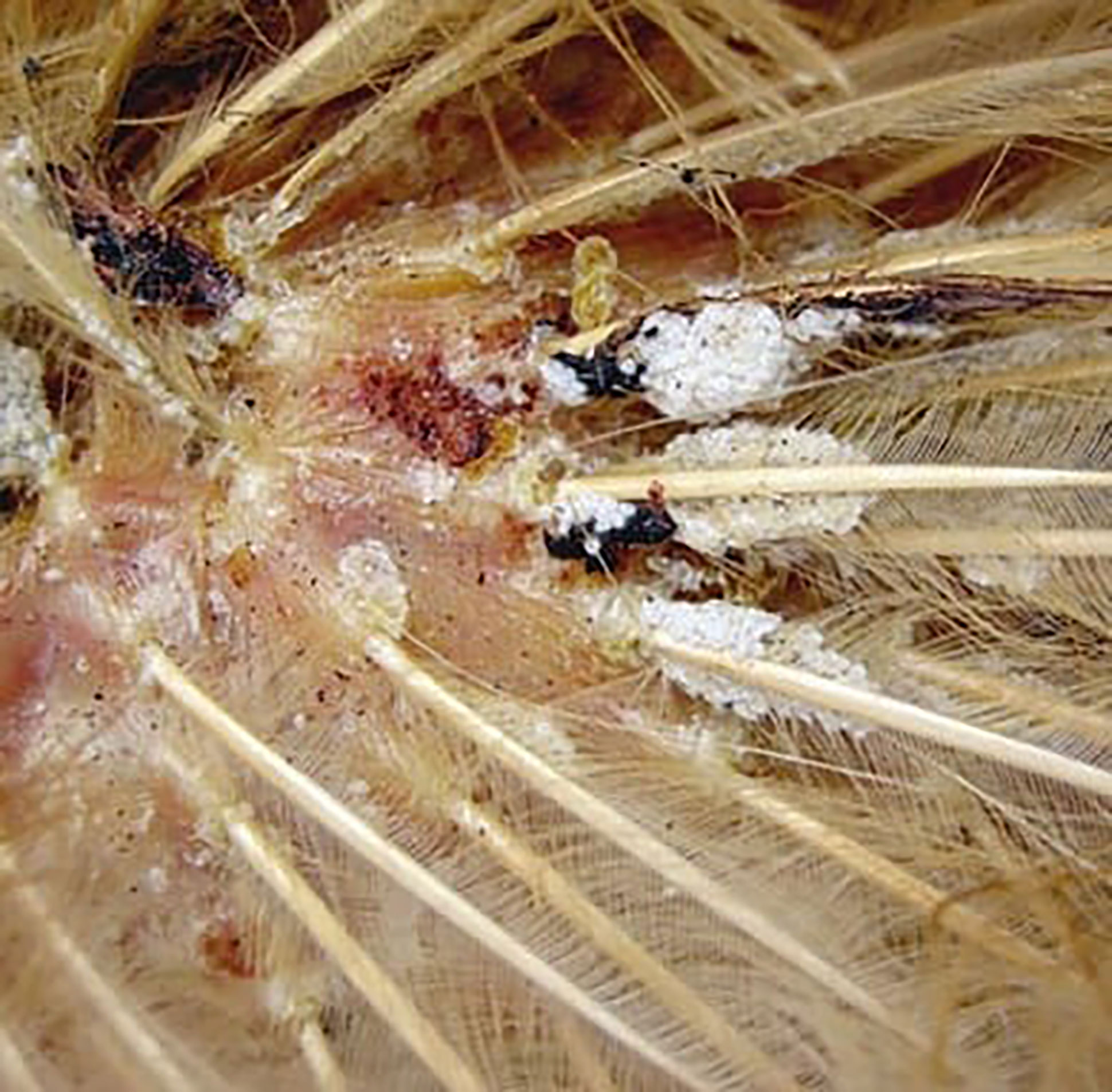
Regularly inspect the coop, paying close attention to cracks, perch ends and joins. You may see clusters of small grey, brown or red mites, or dark specks around their hiding places.
You can also check the coop at night using a head torch. Look along the perches and examine the birds while they are settled.
Wiping a piece of white kitchen roll around cracks and underneath perches can sometimes reveal red or brown smears from crushed mites.
Regular monitoring is important because a red mite infestation can increase quickly during warm weather. Government welfare guidance recommends checking both equipment and birds for mites and having an appropriate monitoring and treatment plan in place.
Preventing Internal Parasites in Chickens
Keeping the coop and run clean can help reduce the number of worm eggs and larvae in the environment.
Moving feeders and drinkers regularly, keeping bedding dry and preventing chickens from eating from heavily contaminated ground can also help.
Some chicken keepers use garlic, herbal products or ready-made natural remedies between treatments. However, these products should not be assumed to reliably prevent or eliminate a worm infestation.
Medicated worming treatments should only be used according to their packaging, current veterinary guidance and the needs of your flock.
A faecal worm egg count can also help establish whether treatment is required. This may be particularly useful if you are unsure whether your chickens have worms or want to avoid treating unnecessarily.
Effective Treatment for Mites, Lice and Parasites
The right treatment depends on the type of parasite involved. It is important to distinguish between mites, lice, worms, respiratory disease and other possible causes of illness wherever possible.
Treatments should be authorised for use in chickens and used according to the manufacturer’s instructions. This is particularly important for laying hens because some products have restrictions relating to eggs or meat.
Speak to a poultry-friendly vet if:
- Your chicken is very weak or pale
- She is struggling to breathe
- She has stopped eating or drinking
- The infestation is severe
- Several birds are affected
- Symptoms continue after treatment
- You are uncertain which parasite is causing the problem
Treating Internal Parasites, Including Gapeworm
Most common internal worms live in a chicken’s digestive system. Gapeworm, however, lives within the respiratory system and may cause symptoms such as stretching the neck, opening the beak, head shaking, coughing or gasping.
These symptoms can look similar to those caused by respiratory infections, including Mycoplasma, so it is important not to assume that every gasping chicken has gapeworm.
Flubenvet is a medicated poultry wormer containing flubendazole. It should be used strictly according to the current product instructions or veterinary advice.
Where a powdered wormer is mixed into feed, prepare the correct amount for the full treatment period and ensure it is mixed thoroughly. The birds should receive the treated feed as directed on the packaging.
Avoid guessing the dosage or changing the treatment period. Always check the current instructions because authorised uses, dosing guidance and withdrawal information can change.
Regular worming schedules were once widely recommended, but many keepers now use a combination of good hygiene, monitoring and faecal testing to decide when treatment is appropriate. Your vet can advise you on a suitable approach for your flock and local conditions.
How to Treat Mites and Lice on Chickens
If you find mites or lice on your chickens, begin by identifying whether the problem is living mainly on the birds or within the chicken coop.
Poultry lice usually remain on the bird, while red mites spend much of their time hidden within the housing.
Clean the coop thoroughly by:
- Removing all bedding
- Taking out removable perches and trays
- Scrubbing joints and crevices
- Cleaning beneath perch ends
- Allowing the house to dry
- Applying an appropriate poultry-safe treatment according to its instructions
Replacing the bedding with clean, dry material
The birds may also need treatment with a product authorised or recommended for use against the parasite concerned.
Avoid using ordinary dog or cat flea shampoos or treatments unless a vet has specifically advised that the particular product is safe and appropriate for chickens. Products formulated for other species may contain ingredients or doses that are unsuitable for poultry.
When using powders, sprays or washes, follow the instructions carefully and avoid the eyes, nostrils and mouth. Make sure birds are kept warm and dry after any approved washing treatment.
With poultry lice, repeat treatment may be required because some products do not kill the eggs attached to the feather shafts.
For a serious red mite infestation, your vet may prescribe Exzolt. This is a prescription-only treatment added to drinking water and is specifically authorised in Great Britain for treating poultry red mite infestations in chickens.
Treating the birds alone will not resolve a red mite infestation. You will also need to clean, monitor and treat the chicken house as advised because most of the mites will be hiding within the environment.
How to Treat Scaly Leg Mites
Scaly leg mites burrow beneath the scales on a chicken’s legs and feet. As the infestation develops, the scales may become raised, rough, crusty or distorted.
Do not try to pull off or scrub away the raised scales, as this can cause pain, bleeding and permanent damage.
Treatment generally involves coating the legs and feet with a suitable barrier or scaly leg treatment. This can help smother the mites while protecting the affected skin.
Apply the product according to its instructions, making sure it reaches beneath and around the raised areas without forcing the scales upwards.
The chicken coop should also be cleaned and any affected flock mates checked. Improvement may take time because damaged leg scales will not immediately return to normal, even after the mites have been treated.
Ask a vet for advice if the legs are swollen, bleeding, infected or badly distorted.
Keeping Your Chickens Happy and Healthy
Parasites are a common problem, but regular checks and a clean, dry living environment can make infestations much easier to prevent and manage.
Get into the habit of checking your hens beneath the wings, around the vent and along the legs and feet. Inspect the chicken coop regularly too, particularly around perches and hidden crevices where red mites may gather.
At Pipinchick, we stock a range of chicken healthcare products, coop-cleaning supplies and dust bath essentials to help you care for your flock. Browse our chicken supplies online, or contact the Pipinchick team for friendly advice about choosing suitable products for your hens.
A DIY Dust Bath Bath for Chickens
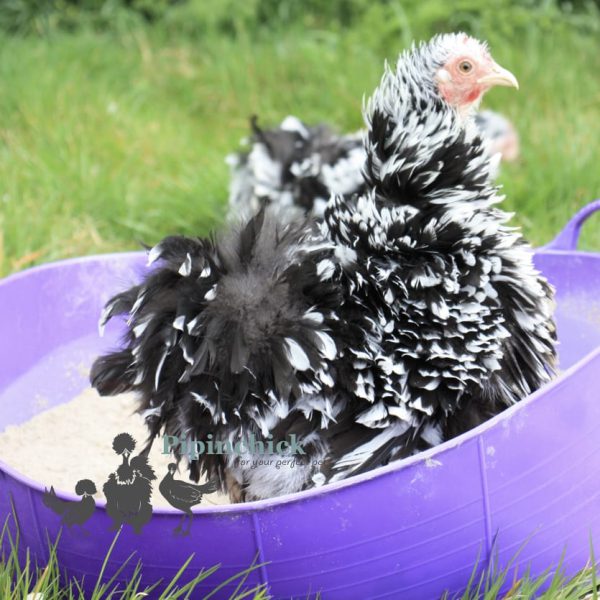
If you have ever watched a chicken wriggle, roll and flap around in a patch of dry soil, you may have wondered what on earth she is doing. It can look slightly dramatic, especially when she kicks dust over her back and lies completely still for a moment.
This is a dust bath, and it is a completely natural and important part of chicken behaviour.
Chickens use dust baths to help keep their feathers clean, reduce excess oil and discourage parasites such as mites and lice. They also seem to thoroughly enjoy them. A good dust bath gives your hens somewhere safe and comfortable to carry out this natural behaviour, particularly when the ground is wet, frozen or covered with grass.
The good news is that making a dust bath for chickens is very simple. You do not need expensive equipment or a complicated mix of ingredients. You just need a dry area, a suitable container and a loose material that your chickens can easily scratch and roll in.
Why Do Chickens Need a Dust Bath?
Chickens do not wash with water in the same way that people or many other animals do. Instead, they work dry soil or dust through their feathers.
As a chicken rolls around, the fine particles move between the feathers and reach the skin. This helps absorb excess oils and loosen dirt. The chicken will then stand up, shake herself and preen her feathers back into place.
Dust bathing may also help make the feathers and skin less welcoming to external parasites. However, a dust bath should not be seen as a treatment for an existing mite or lice problem. If you notice signs of parasites, the birds and their housing may need to be treated properly.
Dust bathing is also a useful form of enrichment. It keeps hens occupied and allows them to express natural behaviour, which is particularly important for chickens living in covered runs or smaller garden spaces.
Where Should You Put a Chicken Dust Bath?
The most important thing is to keep the dust bath dry.
If the contents become wet, they will turn into mud and your chickens will probably stop using it. A covered chicken run is often the best place. You could also place it under a raised chicken house, beneath a shelter or in another area protected from rain.
Choose somewhere that your chickens can reach easily and where the dust bath will not obstruct doors, feeders or drinkers.
You may find that hens naturally choose their own dust bathing area. This is often a dry patch under a hedge, tree or chicken house. If the area is safe and stays dry, you can simply loosen the soil and allow them to continue using it.
However, a container is usually more practical because it helps keep the dust bath mixture in one place.
What Can You Use as a Chicken Dust Bath Container?
A chicken dust bath container needs to be low enough for the birds to step into, but deep and wide enough for them to roll around comfortably.
Suitable options include:
- A large shallow plastic storage box
- An old cat litter tray
- A strong garden tub
- A wooden box with low sides
- A child’s sandpit
- A large under-bed storage container
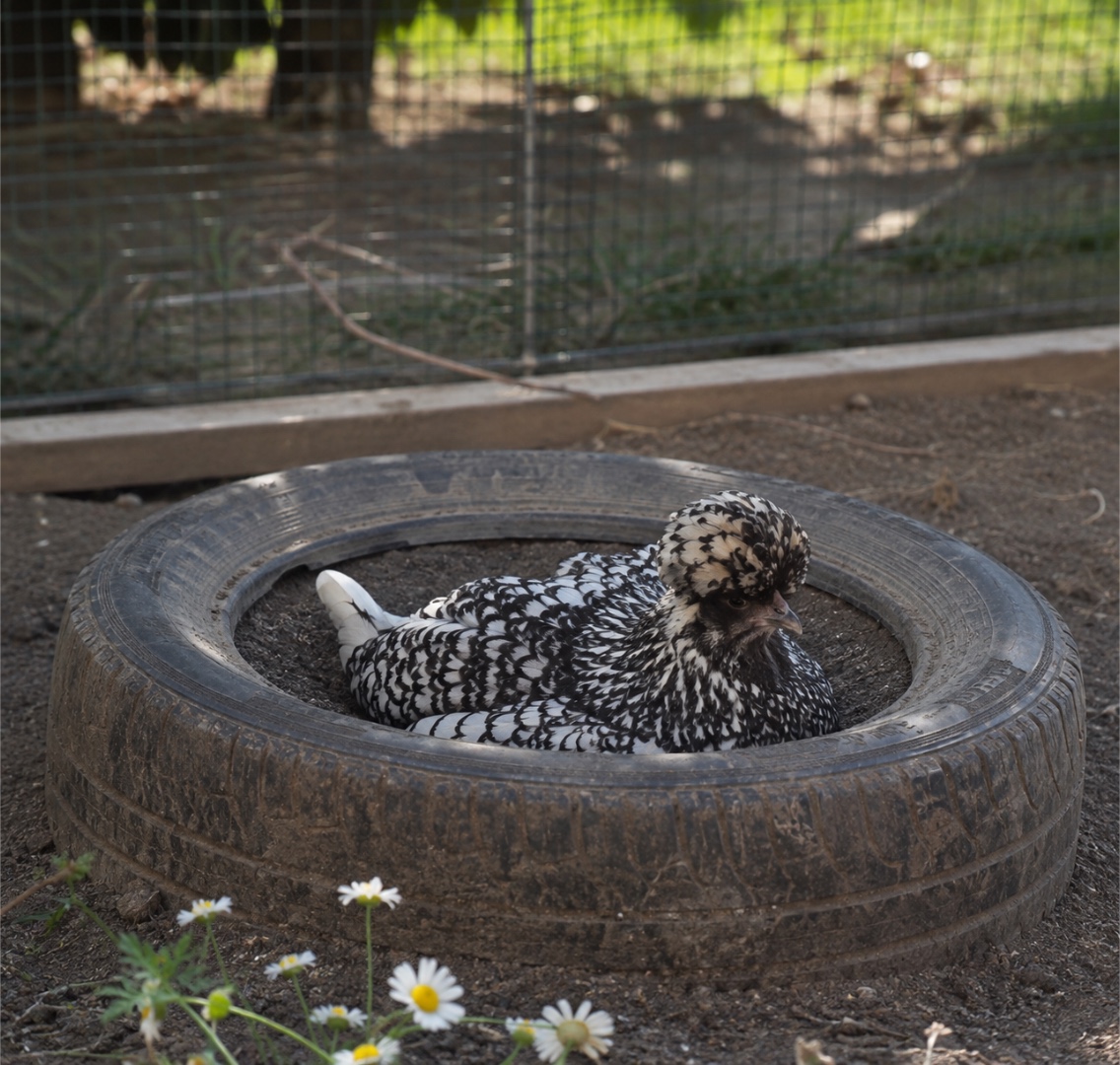
- An old tyre placed flat on the ground
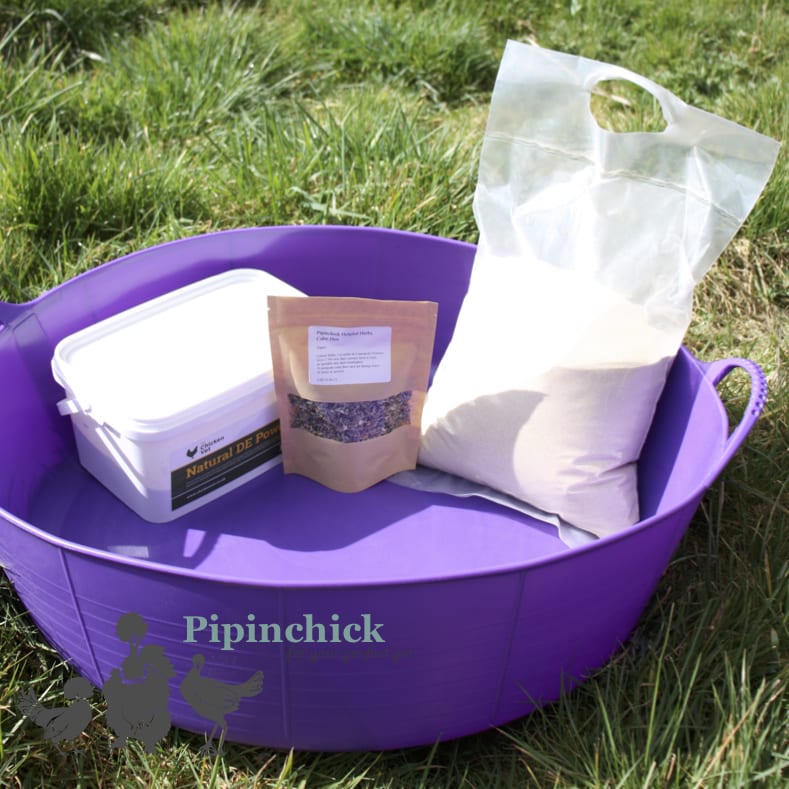
- Pipinchick’s Shallow Tubtrug Portable Dust Bath
The container should ideally be at least 15 to 20 centimetres deep. It should also be wide enough for a fully grown chicken to lie on her side and stretch her wings.
If you have several hens, choose a larger container or provide more than one dust bath. Chickens often decide they all want to use it at the same time, even when there is plenty of other space available.
Avoid containers with sharp edges, exposed screws or splintered wood. Check plastic containers regularly for cracks, particularly during cold weather.
What Should You Put in a Chicken Dust Bath?
The best chicken dust bath mix is usually very simple.
Dry garden soil is one of the most natural options. Chickens happily dust bathe in ordinary loose earth, providing it is dry and has not been treated with pesticides, weedkillers or other chemicals.
You can use a mixture of:
- Dry soil
- Fine play sand
- Dry peat-free compost
- A small amount of clean wood ash
You do not need to use all of these ingredients. A mixture of dry soil and fine sand will work perfectly well for most chickens, or take a look at our Scented Sands Complete Poultry Dust Bath Kit.
The texture should be loose and fine enough for the birds to scratch and work through their feathers. Avoid anything wet, sticky, very coarse or full of large stones.
Can You Use Sand in a Chicken Dust Bath?
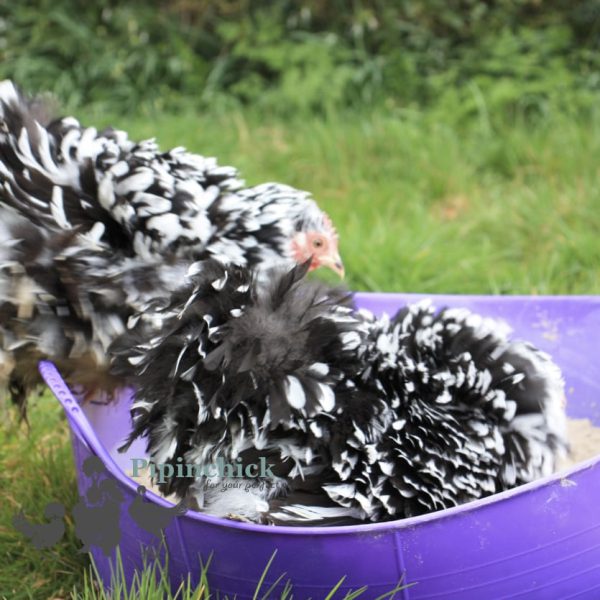
Yes, sand can be included in a dust bath for chickens, but it is usually best mixed with soil rather than used alone.
Fine play sand is a good choice because it is generally clean and easy for chickens to move around in. Builders’ sand may contain larger particles or unwanted debris, so it is not always suitable unless you know exactly what is in it.
Avoid very dusty silica-based products and anything labelled as industrial sand.
Sand also helps improve drainage and stops the dust bath mixture from becoming too compacted. However, if you use only sand, some chickens may not find it as appealing as a more natural soil-based mix.
A useful starting mixture is approximately half dry soil and half play sand. There is no need to measure chicken dust bath sand precisely.
Can You Add Wood Ash?
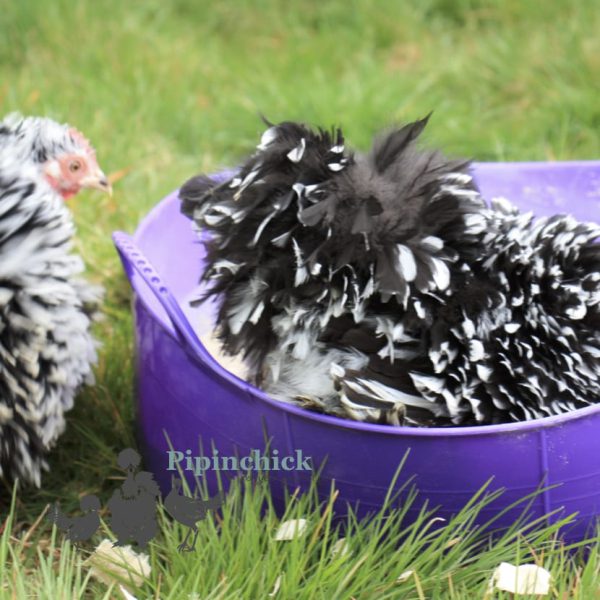
Some chicken keepers add wood ash to dust baths. Fine ash can help create the loose texture chickens enjoy and may help absorb oils.
However, only use a small amount of clean, fully cooled ash from untreated wood.
Do not use ash from:
- Painted or treated timber
- Coal
- Barbecues containing charcoal briquettes
- Burned rubbish
- Wood containing glue, varnish or chemicals
Wood ash can be very fine and dusty, so it should not make up the majority of the mixture. Too much may irritate the chickens’ eyes or respiratory systems.
If you are unsure where the ash came from, leave it out. Soil and sand are perfectly adequate on their own.
Should You Add Diatomaceous Earth?
Diatomaceous earth is sometimes recommended for chicken dust baths, but it needs to be handled carefully.
The powder is extremely fine and can become airborne when chickens flap and roll. Breathing in dust may irritate both human and chicken respiratory systems.
For this reason, many chicken keepers choose not to add it to a general dust bath. If you decide to use any powdered product around your chickens, always follow the manufacturer’s instructions and avoid creating clouds of dust.
A well-maintained dust bath made from ordinary dry soil and sand is usually all your hens need for normal bathing behaviour.
How to Make a Dust Bath for Chickens
Making the dust bath itself should only take a few minutes.
Choose a sheltered, dry location.
Place your container somewhere stable and level.
Fill it with approximately 10 to 15 centimetres of dry soil, sand or a mixture of both.
Break up any hard clumps and remove stones, sharp objects or rubbish.
Leave enough space at the top of the container to reduce the amount of mixture kicked out.
Your chickens may investigate it immediately, or they may ignore it for a few days. You can encourage them by sprinkling a little loose soil around the edge or placing the container near an area where they already like to dust bathe.
Once one hen starts using it, the others will usually follow.
How Do You Keep a Chicken Dust Bath Clean?
A chicken dust bath does not need intensive cleaning, but it should be checked regularly.
Remove droppings, wet bedding, feathers and any food that has been scratched into it. Break up compacted areas and top up the soil or sand when the level drops.
If the mixture becomes wet, spread it out somewhere dry before returning it, or replace it with fresh material.
The full contents should be replaced if the dust bath becomes dirty, develops an unpleasant smell or is contaminated by rodents or wild animal droppings.
It is also worth checking underneath the container for signs of dampness, slugs or rodents.
What If My Chickens Will Not Use Their Dust Bath?
Some chickens are very particular about where they dust bathe.
If they are not using the container, check that it is:
- Large enough
- Easy to step into
- In a quiet location
- Protected from rain
- Filled with a fine, loose mixture
- Away from busy feeders and drinkers
Your hens may simply prefer a natural patch of dry earth. You can try moving the dust bath to the area they have chosen or placing some of their preferred soil inside the container.
Do not worry if they only use it occasionally. Chickens often dust bathe more frequently during warm, dry weather.
Can Chicks Have a Dust Bath?
Young chicks may begin attempting to dust bathe from a surprisingly early age.
You can provide a very shallow tray of clean, dry soil or fine sand once they are old enough to move around confidently. The tray should be stable and easy to step in and out of.
Avoid deep containers and very dusty materials. Always make sure the chicks cannot become trapped, chilled or covered in wet material.
A Simple Way to Keep Your Chickens Happy
A dust bath is one of the easiest and least expensive forms of chicken enrichment you can provide.
It gives your hens somewhere to keep their feathers in good condition, helps them carry out natural behaviour and can keep them entertained for a considerable amount of time.
There is no need to make the mixture complicated. A large container filled with dry soil and fine sand, placed somewhere sheltered, is often the perfect chicken dust bath.
You may still find your hens digging a new hole elsewhere five minutes later, but that is all part of the fun of keeping chickens.
Find Everything You Need for Happy, Healthy Chickens
At Pipinchick, we understand that the little details make a big difference to your chickens’ health and happiness. From choosing the right hens for your garden to creating a comfortable, enriching space for them to explore, we are here to help.
Take a look at our chickens for sale and chicken-keeping supplies, or get in touch with the Pipinchick team if you need friendly advice about caring for your flock.
Top Five Accessories for Happy Chickens!
Creating a happy and healthy environment for your chickens involves providing the right accessories. At, Pipinchick Silkies, we sell chickens and hens, but the wellbeing of our feathered friends is truly important to us so our team look the top five chicken accessories that can contribute to their happiness.
1. Nesting Boxes
Nesting boxes are essential for providing a safe and comfortable space for hens to lay their eggs. These boxes offer privacy and help keep eggs clean, reducing the chances of breakage or dirty eggs. A general guideline is to have one nesting box for every three to four hens.
2. Feeder and Water
Proper nutrition is essential for chicken health and happiness. Invest in high-quality chicken feeders such as chicken pecker balls, chicken pecker blocks, seaweed supplements, mixed corn which can be fed to poultry and chicken drinkersthat are easy to clean and keep the food and water fresh. Hanging feeders and waterers can help prevent contamination and spillage. Ensure a steady supply of fresh water and nutritious feed.
3. Dust Bath Area
Chickens love to take dust baths to clean their feathers, control parasites, and enjoy some relaxation. Provide a designated area in your coop or run filled with fine dust, sand, or dry soil. You can also add wood ash or diatomaceous earth for pest control. Chickens will appreciate having a place to roll and preen in comfort.
4. Perches or Roosting Bars
Chickens naturally roost at night to sleep. Providing roosting bars or perches in the coop gives them a safe and elevated place to sleep. Make sure the perches are flat and wide enough for your chickens to balance comfortably. Ideally, allow around 8-10 inches of roosting space per bird.
5. Toys and Enrichment
Chickens are curious birds that benefit from mental and physical stimulation. Consider adding various toys and enrichment activities to their environment. Hanging chicken treat bags, mirrors, or even simple objects like a cabbage or a flock block can entertain your chickens. These distractions keep chickens from getting bored, which can lead to pecking and other negative behaviors.
These accessories, when combined with a clean and safe living environment, contribute to your chickens’ happiness and wellbeing. They ensure that your chickens have a comfortable place to lay eggs, rest, socialise, and entertain themselves. Happy chickens are not only more content but also tend to be healthier and more productive in terms of egg-laying.
Pipinchick Silkies have chickens for sale and hens for sale so please contact the team for more information.
Omlet PoleTree, Boredom Buster.
Are you looking for some ideas to help keep your hens busy during the inevitable “Flock Down” period. There are many ideas available online and some you can make yourself, but if you’re looking for a quick and easy to install solution then we recommend Omlet’s PoleTree perch system.

Why is Run Enrichment Important?
When hens get bored they get destructive, this can be due to lack of space, being confined and not being able to display their natural behaviours, Chickens are foragers, they like to scratch about and free range, even little bantams like to be busy and when they are kept cooped up for long periods they can become very bored. Boredom then leads to them looking for ways to entertain themselves, this sadly, usually manifests as pecking, bullying and general ASBO like behaviours.

How Does The PoleTree Work?
Perch, Climb and Play
With the PoleTree Chicken Perch the options are endless:
- Encourage communal perching with long perches
- Move perches higher and higher to inspire inquisitive minds
- Create a stimulating staircase of perches
- Switch up the system at any time with the easy to move brackets
The entire system is designed to offer your hens mental and physical stimulation relieving boredom and promoting overall happier chickens and well being.

Sturdy Design for Flocks of All Sizes
You can add as many perches as your flock desires, and thanks to strong, durable materials like aluminium and eucalyptus, you can be sure your pet chickens will be jumping from perch to perch for years to come!
Ideal for Any Chicken Enclosure Over 1.7m High
The PoleTree fits in most enclosures and walk in runs. Simply adjust the height of the pole to fit your run, fix to the roof with the supplied connection kit and to the ground with pegs.
Once the pole is in place, you can modify your chicken tree to suit your flock with as many perches as you like, at any height or orientation, to create an irresistible perching system. Make efficient use of all the vertical space in your run, and say hi to your hens at eye level with perches all the way to the top!

How To Buy.
If you would like to buy one of these innovative perching systems and for more information simply follow the link below to the Omlet Website.
Buy directly from this link.
BUY OMLET POLETREE PERCH
Homemade Boredom Busters For Chickens
Avian Flu Restrictions Causing Boredom
With the current guidelines in place across the U.K. regarding to the Avian Flu restrictions, back garden chicken keepers may be struggling to keep their hens busy in a smaller and enclosed area. Due to a few recent confirmed cases of Avian Flu we are being requested to keep our chickens in a covered run or building to help stop the virus gathering momentum.
Although necessary at the moment this can cause some issues, chickens are creatures of habit a change to their normal free ranging or garden time routine can create stress and boredom and this can result in some strange behaviours.
There are some very simple ways you can create fun and entertainment in a small space for your chickens to receive their boredom.

How Can I Tell If My Chicken Is Bored?
Chickens do talk…!
Perhaps not in a language we are familiar with but by watching their behaviour you can learn a lot about how they feel and their wellbeing. By watching them you may see some of the below signs that your hens are bored and frustrated.
Top 5 Signs Your Chicken is Bored.
- PacingChickens will repeatedly pace up and down the perimeter of their enclosure when bored. This repetitive behaviour is not only a sign of boredom but a sign of anxiety and stress.
- Feather PeckingThis is a very nasty trait, some chickens when bored, stressed or frustrated will resort to entertaining themselves by pecking theirs or their flock mates feathers out. There are other reasons chickens may feather peck each other but if you can rule out thirst, hunger, aggression etc… then this is usually due to boredom or anxiety.
- LethargyChickens really are very susceptible and sensitive to their surroundings. When they become unhappy, believe it or not, they can sink into a depression, this can make them very lethargic, hunched over and still. This can even result in them going on a food strike, so be careful to ensure this does not happen. There are illnesses that can cause this but with no other symptoms then boredom could be the main cause.
- NOISE!!!Oh, my goodness, some breeds especially Pekins Bantam Chickens, Polish Bantam Chickens, Modern Game etc.. will let you and your neighbours know all about it if they are unhappy. They will shout and cluck and generally be very vocal about their dissatisfaction.
- Over PreeningChickens can over preen when bored, this will result in bald patches on the bird where they start to over worry a specific area. If you cannot see lice, mites or some kind of skin irritation but you hen has developed bald spots and is preening more regularly then they are BORED!
What Can I Do to Relieve Run Boredom in My Chickens?
If you are not able to open up the garden and your hens are not having their normal foraging time then there are a few things that you can do that will help relieve their boredom and frustration with being cooped up, (pardon the pun)!
Adding enrichment to your run does not need to be costly and you can utilise everyday items you have lying around or can forage yourselves from a lovely woodland walk.
- Hanging things from your run. You can hang different items from the top of the run using string, items can range from healthy treats, i.e. corn on the cob, a cabbage, whole apples (make sure you core them before as the seeds can be poisonous), large chard leaves and so on… this will create a fun swinging feeder and your girls will be busy for hours pecking at it. You can also hang shiny objects such as old DVDs or CDs again, they will love the shiny light reflections and spend hours pecking them to make them swing and change the light reflections.

2. Logs and Sticks. Yes, simple logs and sticks, if you go to your local woods, you can probably forage some branches and maybe a couple of logs etc… you may already have these things lying around your garden. Gather them up and you can then create some really fun obstacle courses in your run of jumps, walkways, perches and multiple levelled climbs. They will enjoy jumping up and down, walking under them and perching, even the flightless birds will enjoy this as long as you don’t make it too high. They will also love pecking the bark, you should probably disinfect them first with a Virkon sprayer or a hot disinfectant wash to ensure you don’t bring in any wild bird poo etc…

3. Tunnels. You can use hollowed out logs or giant card tubes to create fun tunnels and walkways, they love going inside and popping out the other, just be aware that some card can be toxic, and as chickens do they may peck it so try and use something natural like giant bamboo!

4. Swings. Easy to make and they love them you just need some string and a stick. Hang them from the top of your run and even the flightless birds will jump up on them and swing away… hours of fun.

5. Sand Baths. This is a great way to offer a distraction, if your run is well covered then add a sanded area for the hens to bathe in, they love doing this and it also will help prevent mites and lice naturally.

6. Mirrors. Believe it or not chickens love to look at their own reflections, attach a mirror to the inside of your run and they will spend hours gazing at themselves. It’s wonderful to watch as well.

7. Herbs. Plant some herbs around your coop, lavender is great they like to peck them and they also offer lots of additional health benefits from anti-inflammatory, B12 vitamin boosts and even calming the hens with lavender. Be prepared to replace them every so often as they will gobble them up. We recommend herbs such as thyme, oregano, parsley, lemon balm and lavender.

8. Old Tyres. Perhaps not the prettiest things but pop them in your chicken run and your girls will love them, you can haphazardly stack them and they will jump on them, run under them, sit in them, be careful to ensure they won’t fall though so you may need to tie them together. You can even fill them with soil and herbs and again the girls will love it.

9. Fresh Sawdust and Bark. Add new sawdust and bark regularly, this is a very simple and great boredom buster idea, we sometimes use this in our rearing sheds. Get a large bale of sawdust, open it up and just leave it in the middle of the run, they will love jumping on it, scratching it up and spreading it about... it’s so simple but can offer hours of entertainment.
10. Upside Down Flower Pots. So, so simple but great fun, you can get multiple sizes and create walkways with them on different levels.
Hope this has inspired some great ideas, there are so many ways you can easily add some fun to your chicken run, have a go at some of the above and let us know how you get on.