


How To Stop Your Chickens Getting Fat
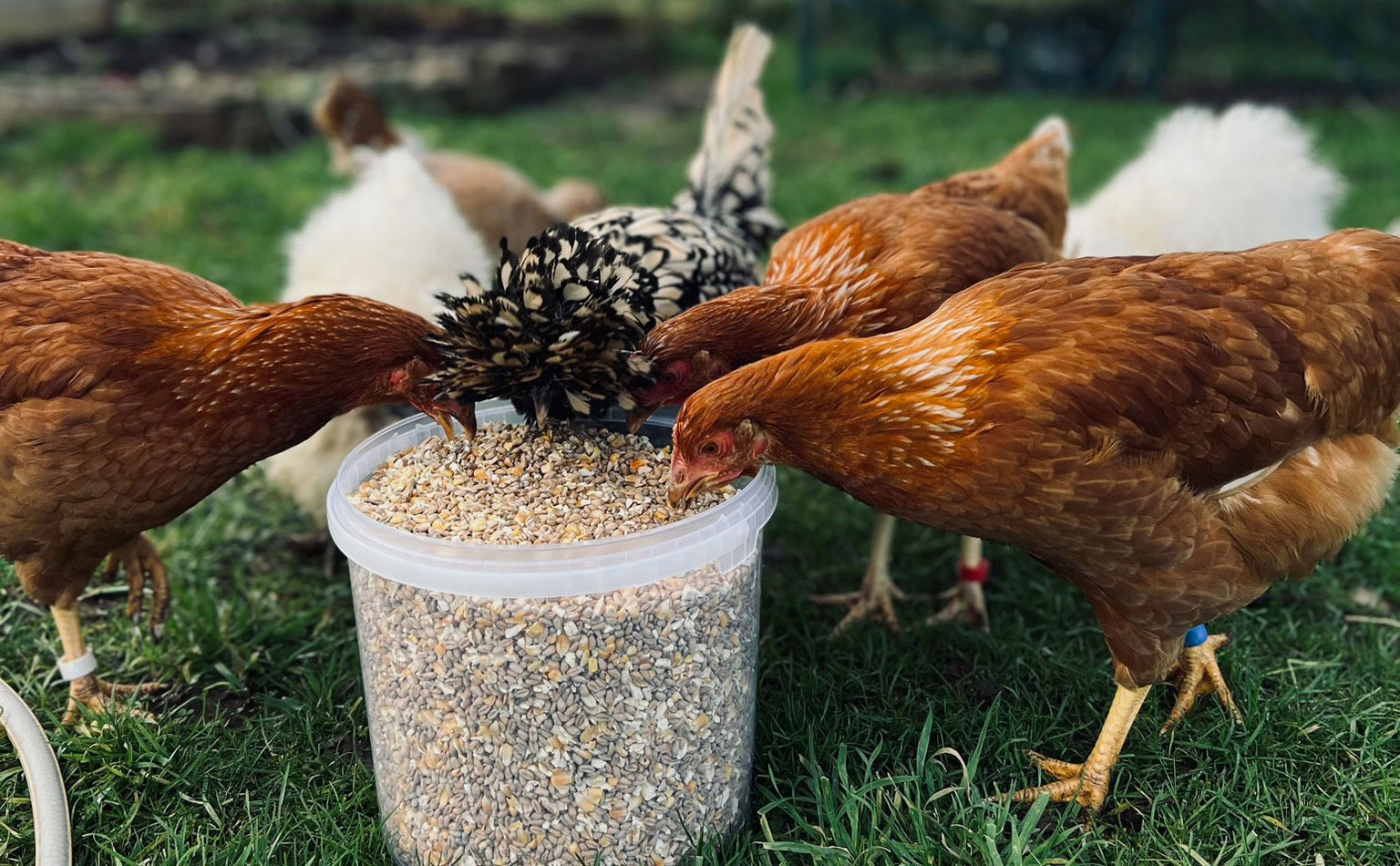
When you keep chickens, it is very easy to fall into the treat trap. A little handful of corn here, a few kitchen scraps there, a grape because they looked at you with those beady little “surely you love me” eyes. Before you know it, your hens have trained you beautifully and are waiting by the run door like tiny feathered snack inspectors.
But while treats are one of the joys of chicken keeping, too many can cause problems. Chickens need the right balance of food, exercise, enrichment and routine to stay healthy. A hen carrying too much weight may not look dramatically different at first, especially under all those fluffy feathers, but excess fat can affect laying, mobility and general wellbeing.
So, if you have found yourself wondering “how to stop my chickens getting fat”, the answer is usually not about putting them on a dramatic diet. It is about feeding the right main food, keeping treats sensible and making sure your flock has plenty to do.
Do Chickens Get Fat?
Yes, chickens can get fat. It is more common than many people realise, partly because chickens are naturally very good at grazing throughout the day. They will free feed much like cows, gently picking at their feed as they go about their business. This is normal and healthy when the feed is right.
The problem usually starts when chickens are given too many extras, especially corn, scraps and high-calorie treats. Hens should always have access to suitable pellet feed for their age and stage of life, but treats should only make up a small part of the diet. As a general guide, treats should be no more than 10 to 20% maximum of what they eat.
If hens are fed mainly on scraps and corn, rather than a balanced pellet feed, they can hold onto too much fat. This can happen even if they still seem active and happy. Chickens are clever little opportunists and, given the choice, many will happily fill up on their favourite treats before bothering with their proper dinner. Rather like children at a birthday party buffet, really.
Start With The Right Chicken Feed
The easiest way to help prevent chickens from getting overweight is to make sure their main food is correct. Your chicken’s feeder should always have feed in it, but that feed should be the recommended pellet feed for the age of hen you have.
For most adult laying hens, this means good-quality layers’ pellets. These are designed to give hens the right balance of protein, energy, vitamins and minerals to support healthy laying and everyday wellbeing. Younger birds may need growers or rearer pellets, depending on their age, while chicks need chick crumb.
The important thing is not just that your chickens are fed, but that they are fed the right thing. A bowl full of mixed corn might make you very popular in the run, but it is not a complete diet. Corn is useful as a treat, especially in colder weather when offered sensibly, but it should not replace pellets.
Think of pellets as the proper meal and treats as the biscuit tin. Lovely in small amounts, not so lovely as the foundation of everyone’s diet.
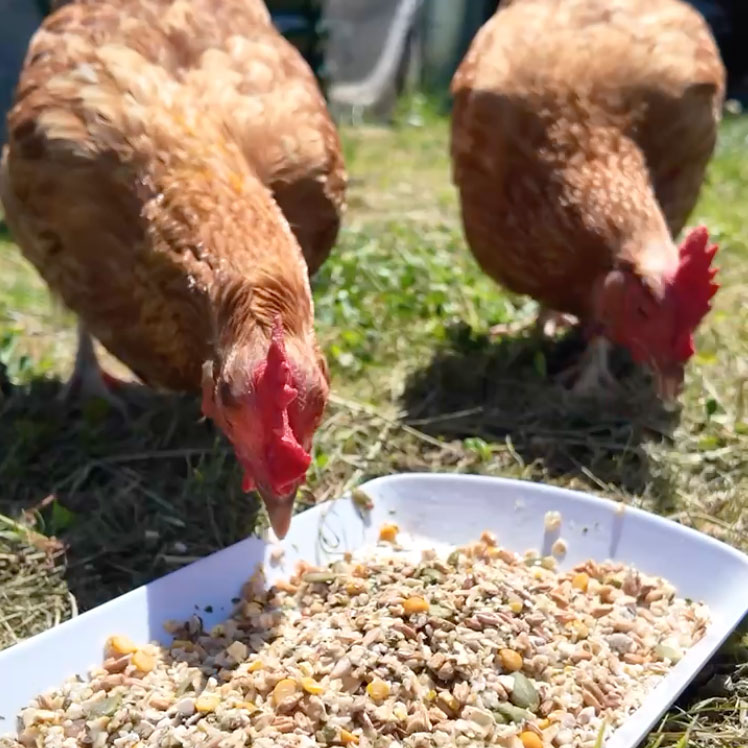
Do Not Over Treat
This is important. Do not over treat your pet chickens.
We know. It is very hard when they come running over, clucking away, acting like they have not eaten since the beginning of time. But chickens are excellent performers, and many would happily convince you that a second breakfast, third lunch and pre-bedtime corn shower are all essential parts of poultry care.
Treats should only make up 10 to 20% maximum of their diet. For some flocks, especially those that are already a bit chunky, less may be better. The majority of their nutrition should come from the correct pellet feed.
Try to avoid throwing treats in every time you visit the run. If your hens learn that every appearance from a human means food, they will expect it every time. Instead, use treats more purposefully. Offer a small amount as enrichment, scatter a little to encourage natural foraging or save them for training, handling or getting everyone safely back into the run.
Be Careful With Corn
Mixed corn is one of the most common chicken treats, and most hens absolutely love it. The trouble is that corn is energy-rich, so too much can contribute to weight gain.
Corn is best offered in small amounts, usually later in the day once your hens have already eaten their pellets. If you give corn first thing in the morning, they may fill up on the tasty stuff and ignore the balanced feed they actually need.
A small scatter can be useful for encouraging natural scratching and pecking. Just do not let it become the main event.
Do Not Feed Purely On Scraps
Kitchen scraps can feel like a lovely, old-fashioned part of chicken keeping, but hens should not be fed purely on scraps. Scraps vary too much in nutrition and can be too high in calories, salt, fat or unsuitable ingredients, depending on what they are.
Feeding mostly scraps and corn can cause hens to hold onto too much fat. It can also mean they miss out on the nutrients they need from proper poultry feed. Even if your chickens seem delighted with leftovers, it does not mean those leftovers are giving them what they need.
Suitable fresh greens and safe garden treats can be offered in moderation, but they should supplement the diet, not replace it.
Encourage Natural Exercise
Chickens are not gym-goers, thankfully, because tiny treadmills would be chaos. But they do need opportunities to move, scratch, forage, flap, perch and explore.
A chicken that spends all day standing by the feeder is more likely to gain weight than one that is busy investigating the run, scratching through bedding and hopping up onto perches. Encouraging movement can make a real difference.
You can help by:
- Scattering a small amount of treats so they have to forage
- Adding perches, logs or branches to the run
- Using hanging vegetables for pecking enrichment
- Moving boredom-busting toys around
- Creating different areas in the run to explore
- Allowing supervised free-ranging where safe and suitable
A more interesting environment helps keep chickens active and mentally stimulated. It also reduces boredom, which can lead to feather pecking, squabbles and noisy “we are bored and everyone must know” behaviour.
Watch Out For Fat Around The Vent And Abdomen
Because feathers hide a lot, it can be tricky to tell whether a chicken is overweight just by looking. A bird can look fluffy rather than fat, especially breeds with heavier feathering.
A practical way to monitor condition is to gently handle your hens from time to time. Feel around the breast area. You should be able to feel the breastbone, but it should not feel sharp or overly prominent. If there is a lot of soft flesh and the bird feels heavy for her breed and size, she may be carrying extra weight.
Fat can also build internally, particularly around the abdomen. This is one reason why managing diet matters, even if the hen looks outwardly fine.
If you are concerned about a hen’s weight, laying changes, swelling, breathing, mobility or general condition, it is always sensible to seek advice from a poultry-aware vet.
Choose Treats Wisely
Not all treats are equal. Some are much richer than others, and portion size matters.
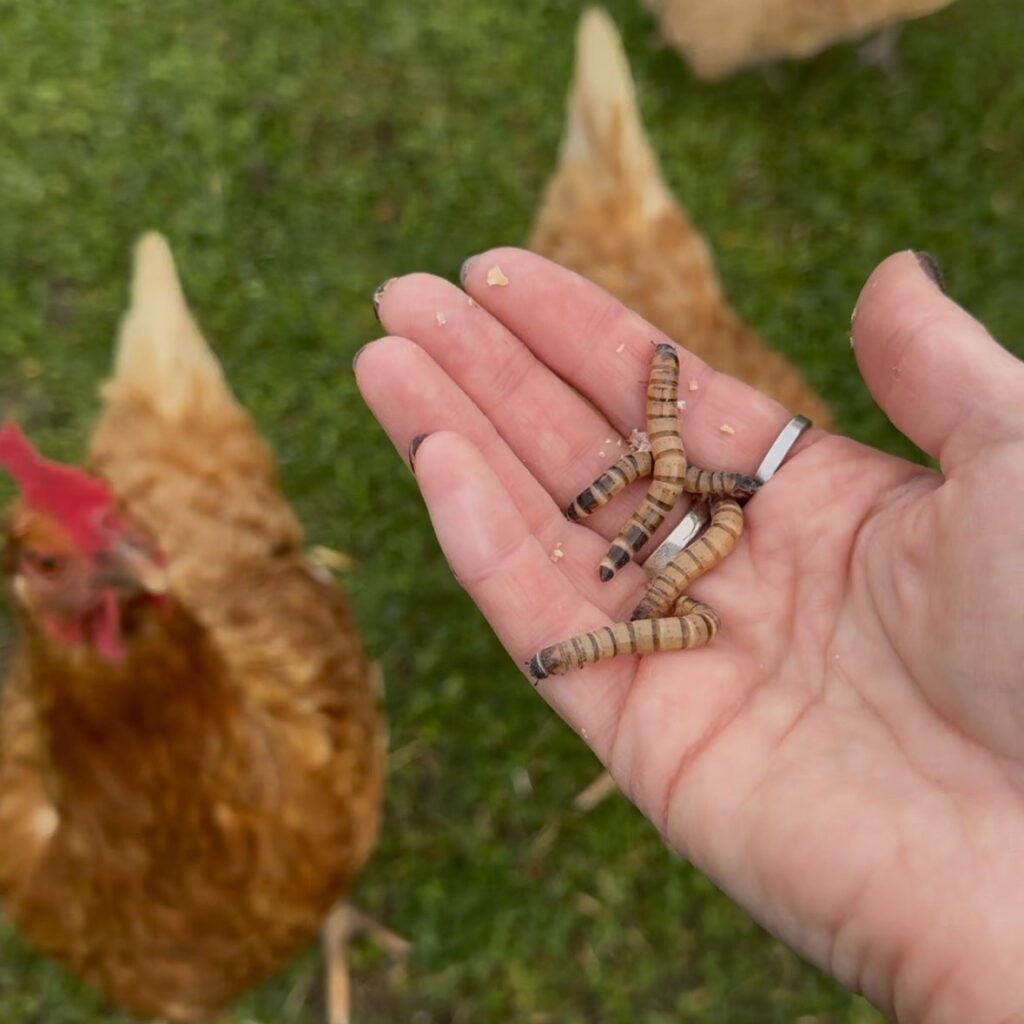
Better treat choices, in moderation, can include leafy greens, small amounts of safe vegetables, herbs and occasional fruit. Richer treats like corn, mealworms and sunflower seeds should be fed more sparingly.
Fruit can be a fun treat, but it is still sugary, so a little goes a long way. Grapes, berries and melon may go down very well, but your hens do not need a fruit platter every afternoon, however much they insist they are living a deprived life.
A good rule is to think small. A treat should be a little extra, not a second dinner.
Feed For The Age And Type Of Bird
Different chickens have different needs. Growing birds, laying hens, older hens, bantams, large breeds and ornamental breeds may not all need exactly the same amount or type of feed.
Bantams, for example, are smaller and need less than large fowl. Heavy breeds may naturally carry more body size, but that does not mean they should be overfed. Older hens that lay less may also need careful treat management, as they are not using as much energy for regular egg production.
This is why feeding the correct pellet for the age and stage of hen is so important. It gives them the right nutritional foundation before any extras are added.
Keep A Routine
Chickens do well with routine. Keep their pellet feeder topped up, offer fresh water daily and keep treats occasional and controlled.
If you have several family members feeding the hens, it is worth making sure everyone knows the treat rules. One person’s “tiny handful” plus another person’s “just a few scraps” plus someone else’s “they looked hungry” can quickly become a feast.
A shared scoop or treat pot can help. Once it is empty for the day, that is it. The hens may complain, but they will survive the terrible hardship.
Keeping Your Hens Happy and Healthy With Pipinchick
Helping chickens stay at a healthy weight is really about balance. Let them graze on the right pellet feed throughout the day, keep their feeder topped up with suitable feed for their age, and use treats as treats, not the main meal.
Chickens can get fat, especially when they are fed too much corn, too many scraps or too many rich extras. The good news is that small changes can make a big difference. Choose a suitable pellet feed, limit treats to 10 to 20% maximum of the diet, avoid feeding purely on scraps and corn, and give your hens plenty of chances to scratch, forage and keep busy.
At Pipinchick, we know that spoiling your flock is part of the fun, but the best kind of spoiling is the kind that keeps them healthy, happy and full of chickeny joy. With the right feed, sensible treats and a run full of interesting things to do, your hens can enjoy the good life without turning into round little feathered puddings.