


A Guide to Keeping Brahma Chickens
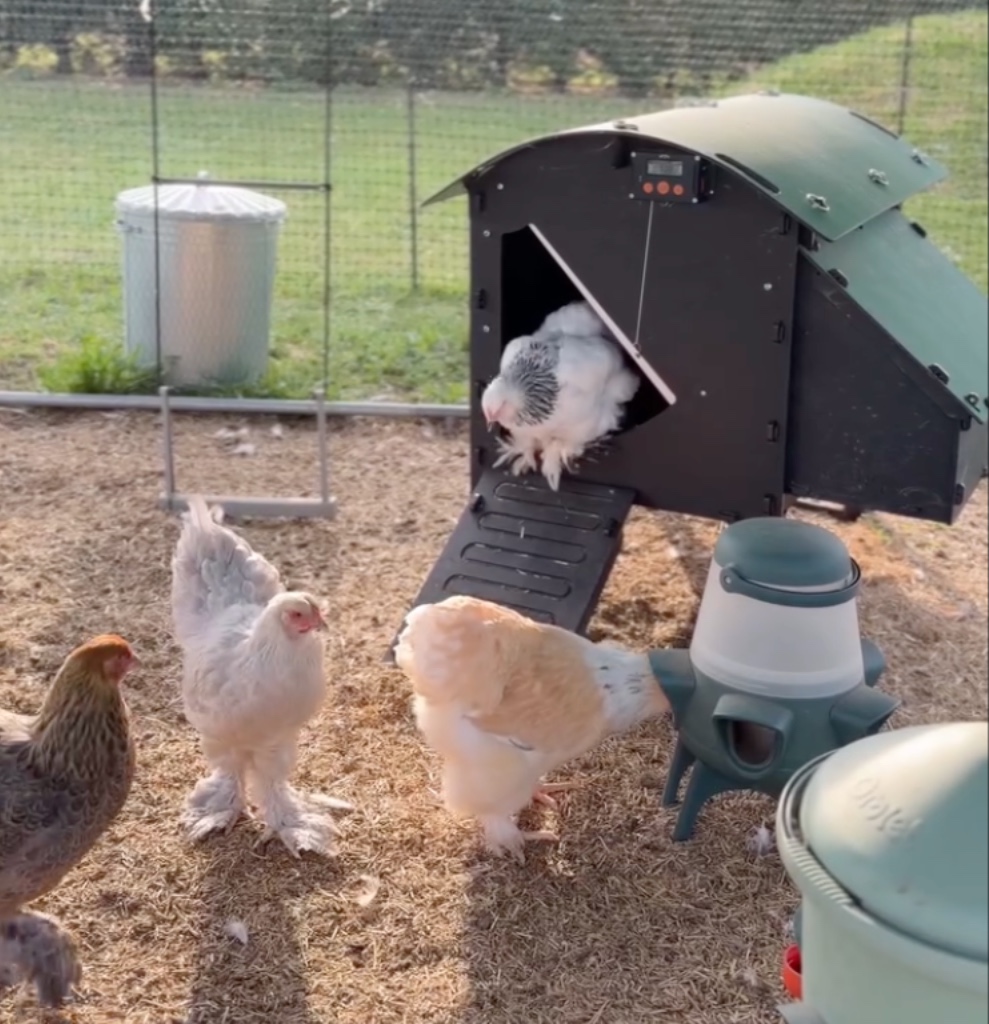
Brahma chickens are impossible to ignore. With their impressive size, feathered legs and calm, steady nature, they bring a real sense of character to any back garden. Often described as “gentle giants”, Brahmas are a brilliant choice for families, first-time keepers, and anyone looking for a striking but easygoing breed.
Brahma - In Indian means - God of all creation, it is one of their gods, and how the Brahma gets it's name, due to it's majestical, regal appearance and size.
If you are considering adding Brahmas to your flock, this guide will walk you through everything you need to know to keep them happy, healthy, and thriving in a UK setting.
Get to Know The Brahma Chicken
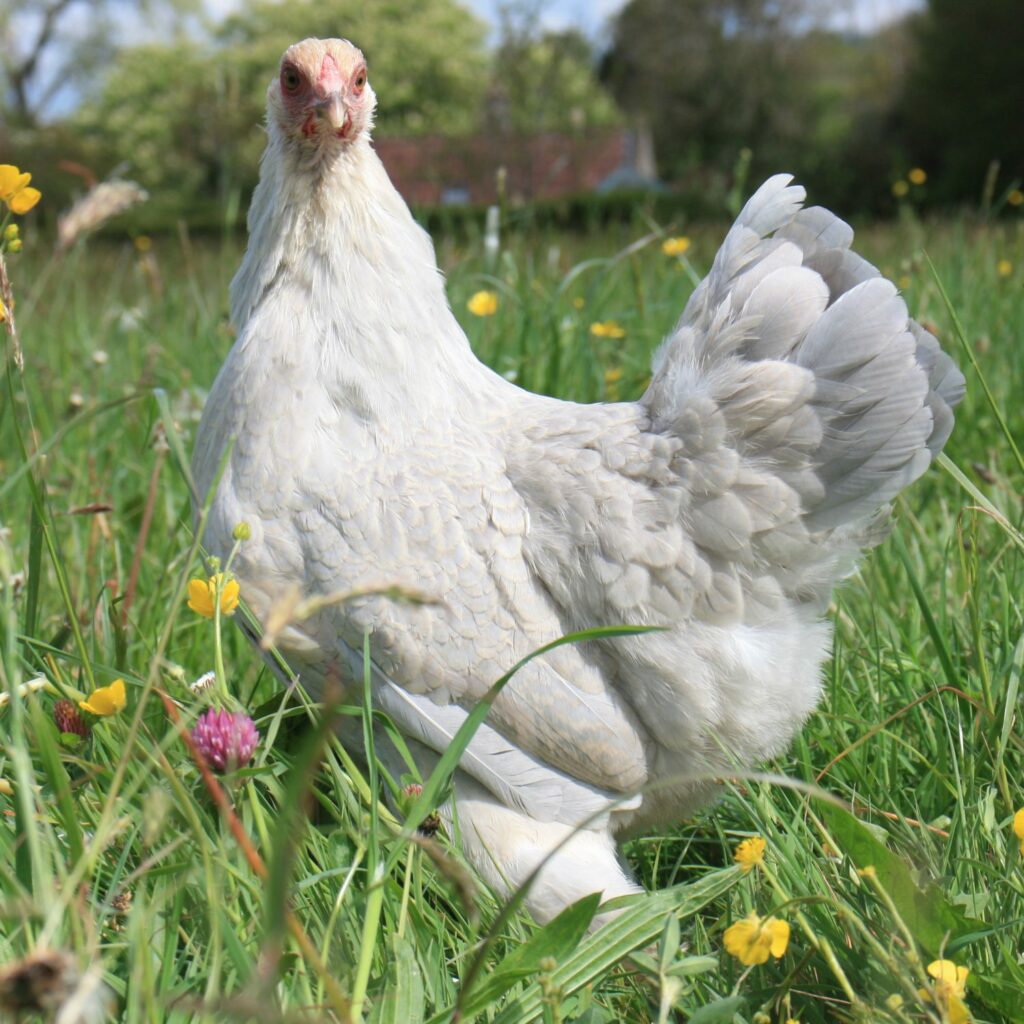
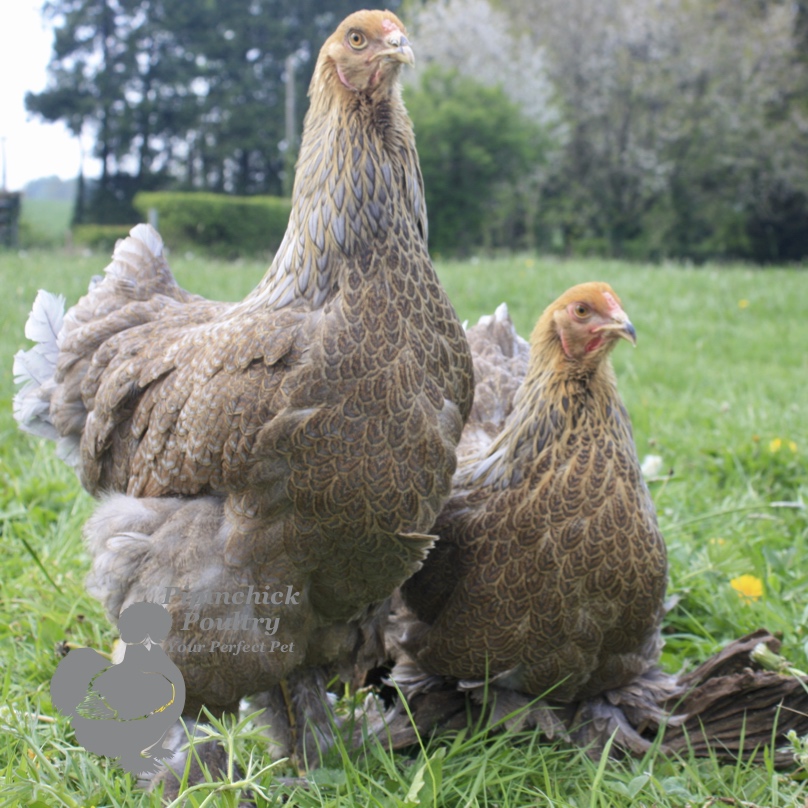
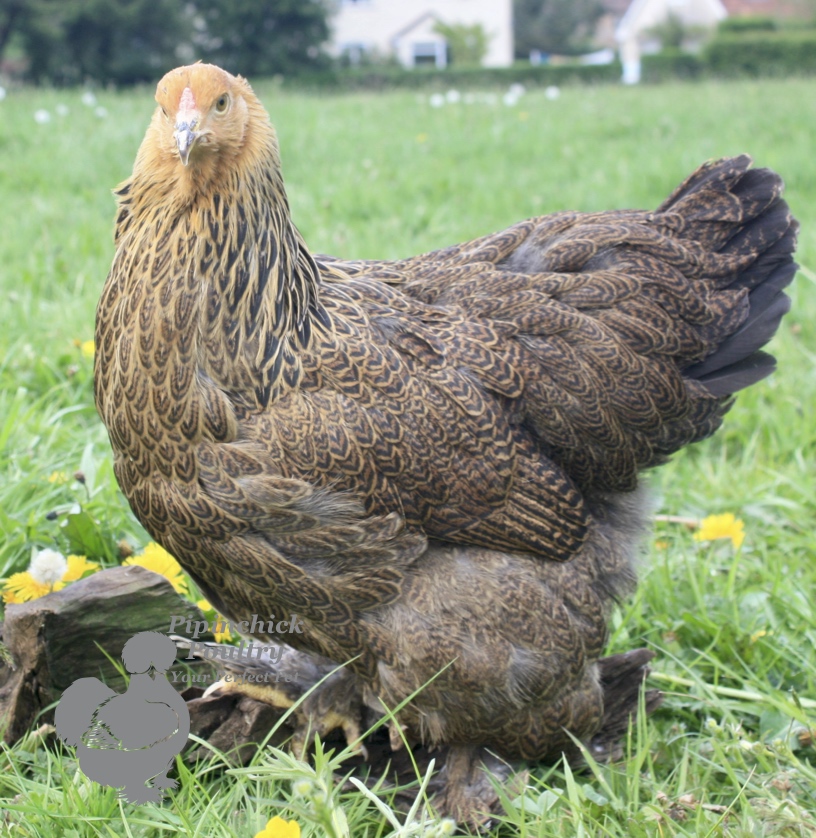
Brahmas are one of the largest chicken breeds in the world. Originating from the United States but developed from large Asian breeds, they were once known as the “King of Chickens” due to their size and popularity.
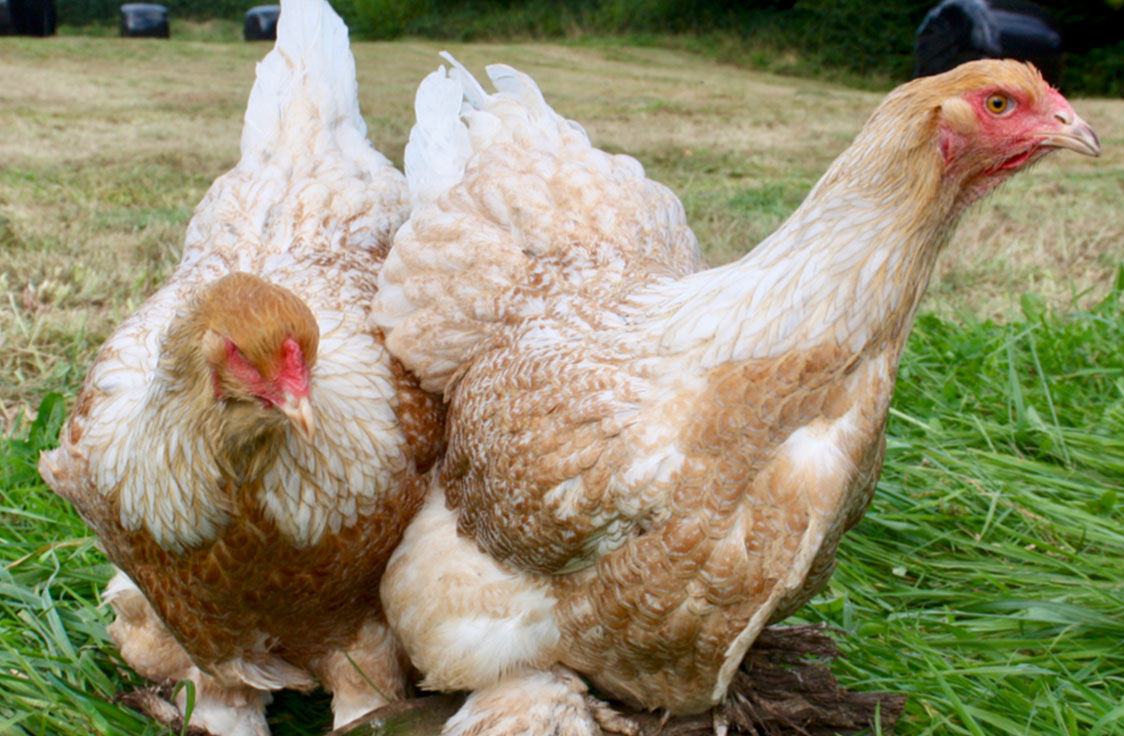
Hens typically weigh around 4 to 5kg, while cockerels can reach 5 to 6kg or more. They are instantly recognisable thanks to their fluffy feathering, including fully feathered legs and feet, and their broad, upright stance.
Despite their size, Brahmas are known for their calm, friendly personalities. They tend to be docile, easy to handle, and often integrate well into mixed flocks.
Why Choose Brahmas For Your Back Garden
Brahmas are a popular choice for UK chicken keepers for several good reasons.
Their temperament makes them ideal if you want a relaxed, low-drama flock. They are not prone to bullying and are often happy to be handled, which makes them especially good around children.
They are also well suited to the British climate. Their dense feathering helps them cope well in colder weather, and they are known to continue laying when many other breeds slow down during winter.
If you are looking for hens for sale with a bit of presence, Brahmas certainly stand out. They bring both personality and visual appeal to your garden.
Housing Brahma Chickens
Because of their size, Brahmas need a little more space than your average hen.
In the coop, make sure perches are lower than usual. Brahmas are heavy birds, and jumping down from high perches can put strain on their legs and feet. Wide, sturdy perches are ideal so they can balance comfortably.
Nest boxes should also be slightly larger to accommodate their size. A cramped nest box can discourage laying or lead to broken eggs.
When it comes to the run, space is important. While Brahmas are not particularly flighty or energetic, they still benefit from room to move around. Aim for more than the minimum recommended space where possible.
Their feathered feet mean muddy conditions can quickly become an issue, especially during wet UK winters. Well-drained ground, regular cleaning, and adding dry bedding such as woodchip can make a big difference.
Feeding Brahmas
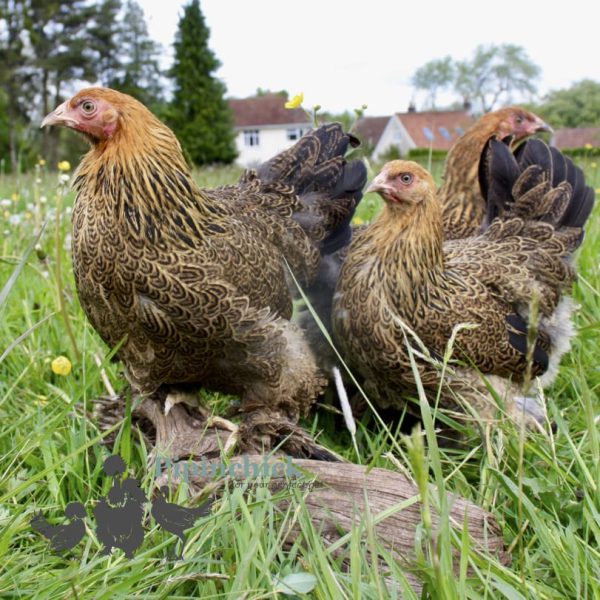
Brahmas do not require a special diet, but their size means they will naturally eat more than smaller breeds.
A high-quality layers pellet should form the base of their diet, providing all the essential nutrients they need for egg production and overall health.
You can supplement this with occasional treats such as vegetables, grains, or mealworms, but these should be given in moderation.
Because Brahmas grow slowly and reach maturity later than many other breeds, it is important not to rush their development with overly rich feeding when they are young. A steady, balanced diet is best.
Always provide fresh, clean water, and make sure feeders are kept at a height that prevents contamination from their feathered feet.
Egg Laying Expectations
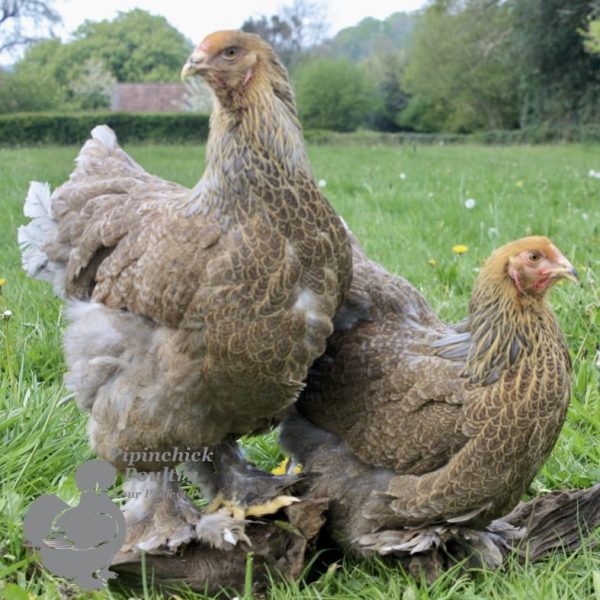
Brahmas are not the most prolific layers, but they are reliable and consistent.
You can expect around 3 medium to large brown eggs per week from a healthy hen. One of their standout traits is their ability to lay well through the winter months, when many other breeds slow down or stop altogether.
They tend to start laying later than hybrid hens, often around 6 to 7 months of age, so a little patience is required.
Health And Maintenance
Brahmas are generally hardy birds, but their feathered legs do require a bit of extra attention.
Mud, droppings, and moisture can cling to their foot feathers, increasing the risk of problems such as scaly leg mite or infections if left unchecked. Regularly checking and keeping their living area clean will go a long way in preventing issues.
In very wet or icy conditions, it is worth keeping a closer eye on their feet to ensure feathers are not becoming clogged or frozen.
Routine health checks should include looking at their feet, legs, and under their feathers for any signs of mites or parasites.
Like all chickens, they will benefit from regular worming and good coop hygiene.
Do Brahmas Mix With Other Chickens?
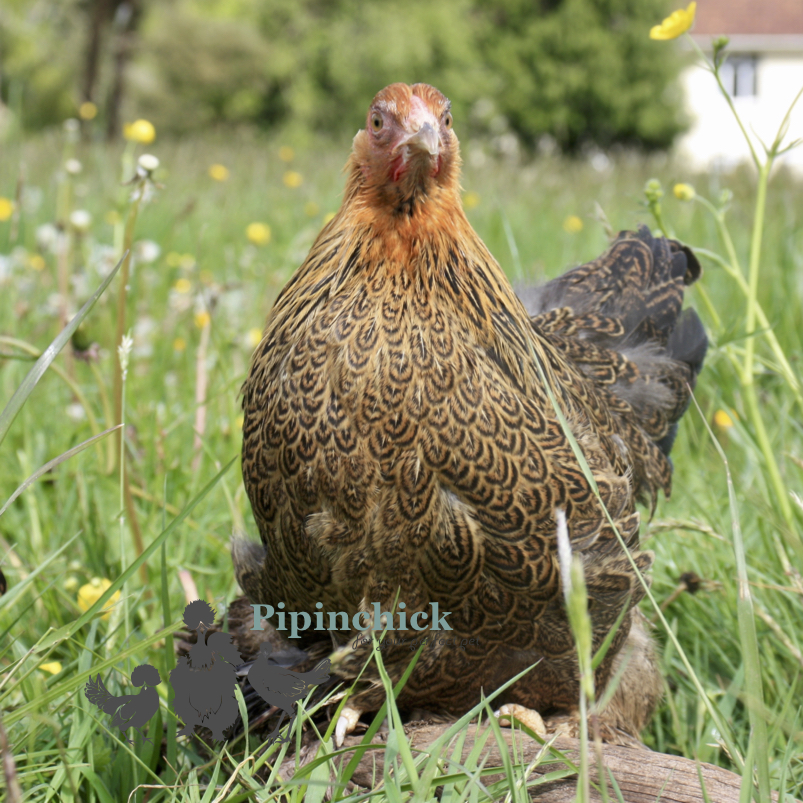
Yes, in most cases Brahmas integrate very well into mixed flocks.
Their calm nature means they are unlikely to cause trouble, and they often sit lower in the pecking order despite their size. However, this does mean they can sometimes be picked on by more assertive breeds.
It is always best to introduce new chickens gradually and keep an eye on flock dynamics during the early days.
Avoid mixing them with very small or highly active breeds that may outcompete them for food or space.
Are Brahmas Right For You?
Brahmas are a fantastic choice if you are looking for a friendly, eye-catching, and steady breed that handles the UK climate well.
They are especially suited to keepers who have a bit of extra space and enjoy a more relaxed flock. While they may not be the highest egg producers, they make up for it with personality, winter laying, and their unmistakable appearance.
If you are building a flock that is as enjoyable to watch as it is rewarding to keep, Brahmas are hard to beat.
Thinking About Adding Brahmas To Your Brood?
Choosing the right breed is one of the most important parts of keeping chickens. Brahmas offer a unique combination of size, temperament, and practicality that works well for many UK back gardens.
If you are exploring hens for sale and want a breed that stands out for all the right reasons, Brahmas are well worth considering. At Pipinchick, we lovingly breed Brahma chickens at our farm in the beautiful Somerset countryside near Bristol. With a strong focus on bird welfare, friendly advice, and ongoing support, Pipinchick helps new and experienced keepers build happy, healthy flocks that thrive in UK back gardens or on farms.