


A Guide to Keeping Olive Egger Chickens
Olive Egger chickens are a fantastic choice as s starter chicken or if you are looking to add something a little different to your brood. Known for laying beautiful green or khaki-toned eggs, these birds bring both practicality and novelty to the back garden.
They are not a single recognised breed, but rather a hybrid created by crossing blue egg layers with dark brown egg layers. The result is a hardy, productive hen with unique characteristics.
If you are thinking about buying Olive Eggers, this guide will help you understand how to care for them and what to expect from keeping them in the UK.
Understanding The Olive Egger Chicken
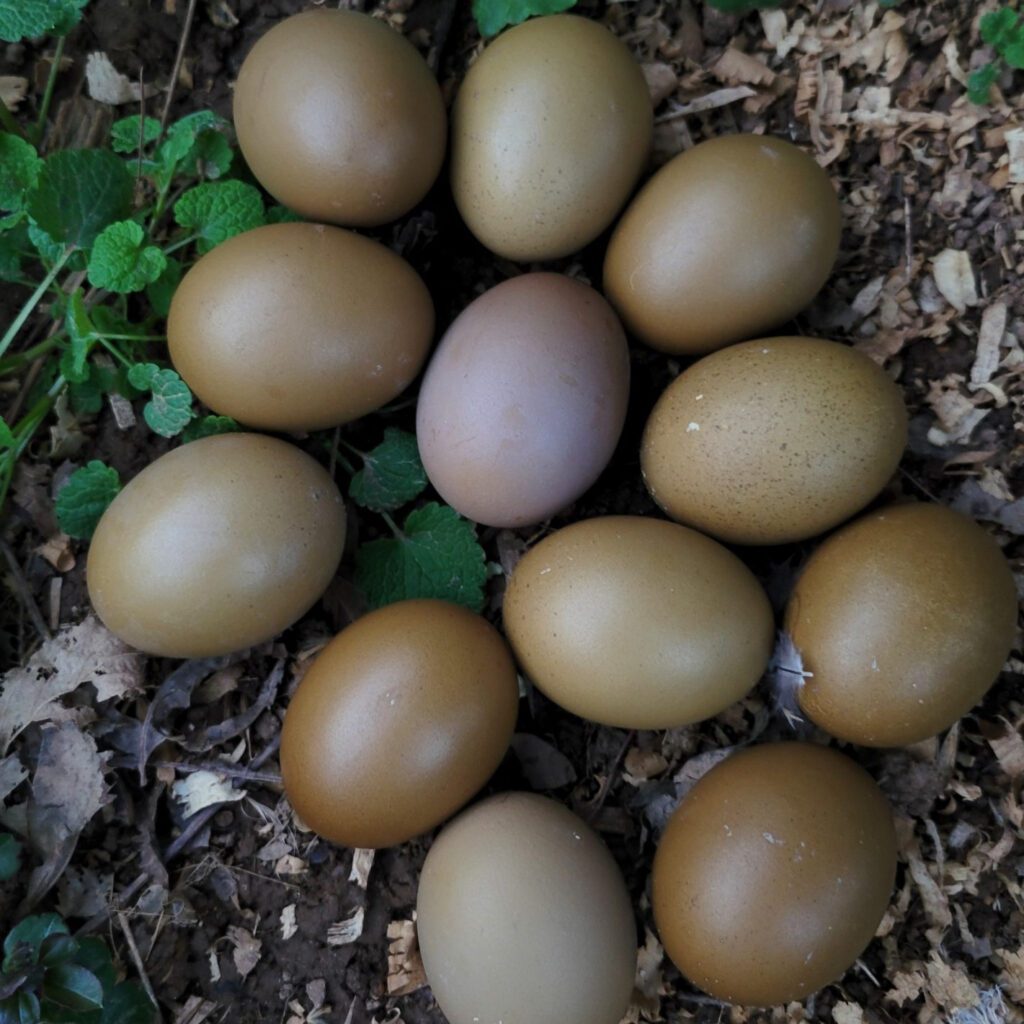
Olive Eggers are typically bred by crossing birds such as Legbars or Araucanas, which lay blue eggs, with darker egg layers like Marans. This combination produces hens that lay shades of green eggs, ranging from soft sage through to deep olive.
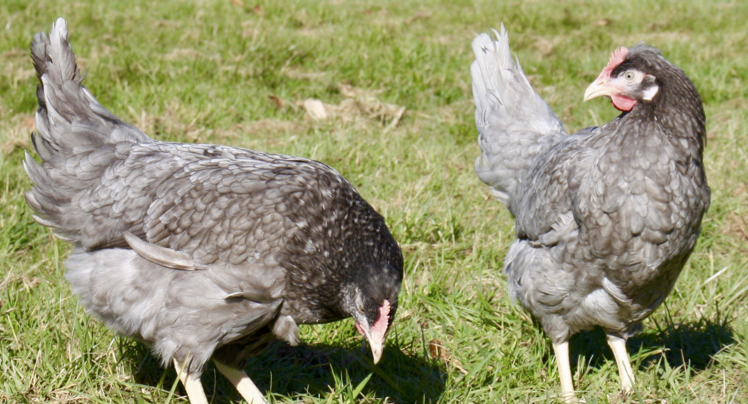
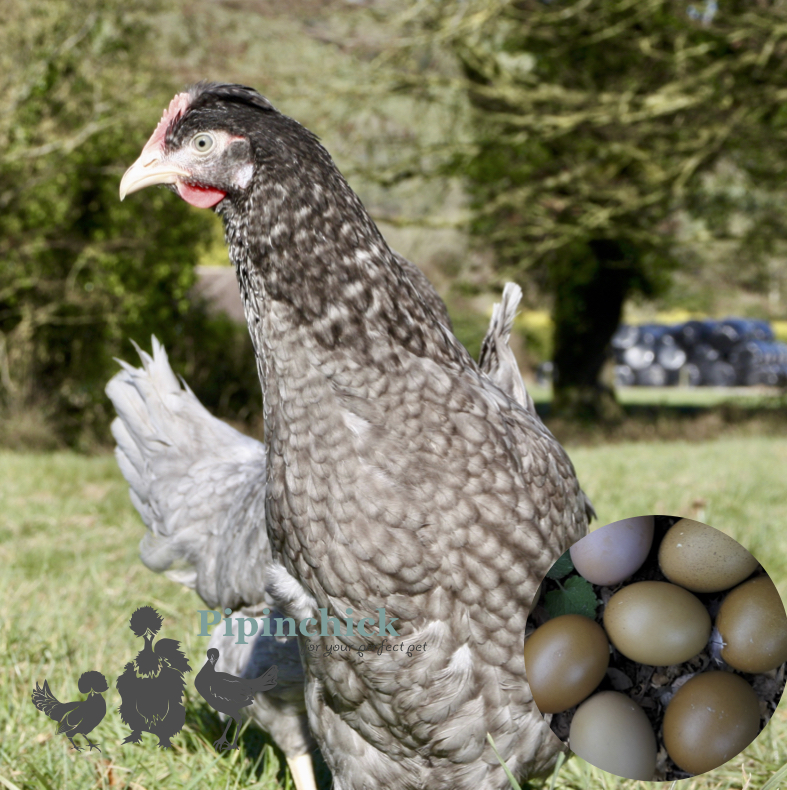
Because they are hybrids, their appearance can vary quite a lot. Some may have small crests, others may have feathered legs, and their colouring can differ from bird to bird. This variety is part of their appeal.
In terms of temperament, Olive Eggers are usually friendly, curious, and adaptable. Many take on the best traits of their parent breeds, making them a reliable and enjoyable addition to a mixed flock.
Why Choose Olive Eggers For Your Back Garden
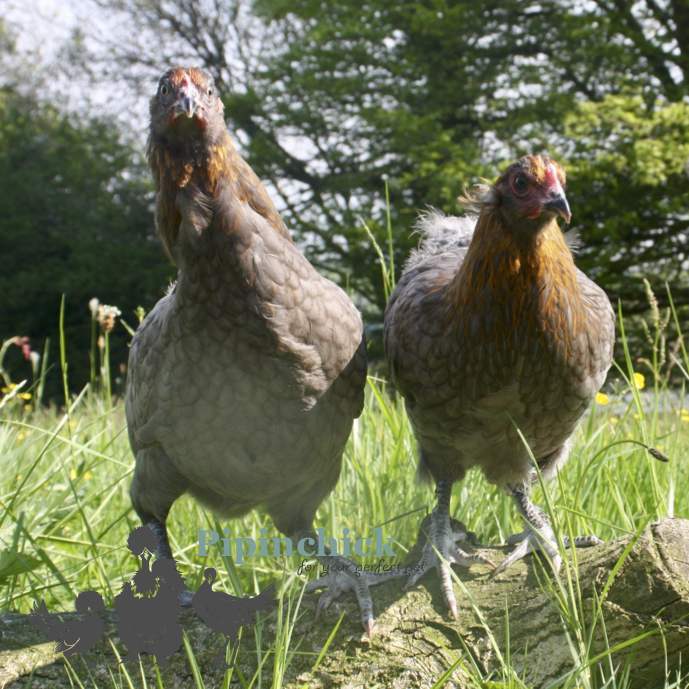
If you are searching for hens for sale that offer something a bit special, Olive Eggers stand out thanks to their egg colour alone.
They are also known for being good layers, often producing more consistently than some pure breeds. This makes them a practical choice if you want both novelty and a steady egg supply.
Their hybrid nature often means they are quite hardy and adaptable, coping well with the typical ups and downs of the UK climate.
They also tend to integrate well into mixed flocks, making them a flexible option whether you are just starting out or adding to an existing group.
Housing Olive Egger Chickens
Olive Eggers do not have particularly unusual housing needs, but good standards of care will help them thrive.
Provide a secure, well-ventilated coop with enough space for them to roost comfortably. Standard perch heights and nest boxes are usually suitable, depending on their size.
As with all chickens in the UK, managing mud and damp conditions is important. A well-drained run, regular cleaning, and dry bedding such as woodchip will help keep their environment healthy.
They enjoy foraging, so giving them access to a safe back garden area or enriching their run with perches, logs, and dust bathing spots will keep them active and content.
Feeding Olive Eggers
A balanced diet is key to maintaining both egg production and overall health.
A high-quality layers pellet should form the foundation of their diet, providing the nutrients they need for strong shells and consistent laying.
You can offer occasional treats such as leafy greens, vegetables, or grains, but these should not replace their main feed.
Because Olive Eggers are often good layers, ensuring they have access to calcium is important. This can be provided through oyster shell or similar supplements to support strong eggshells.
Always make sure fresh, clean water is available.
Olive Egger Egg Laying Expectations
Egg colour is the main reason many people choose Olive Eggers, and they rarely disappoint.
You can expect around 4 eggs per week from a healthy hen, with shades ranging from light green to deeper olive tones. The exact colour will depend on the genetics of the individual bird.
They tend to start laying at a fairly typical age for hybrids and can be reliable layers throughout much of the year, sometimes slowing slightly during the darkest winter months.
Each egg can vary slightly in shade, adding to the appeal when you collect them.
Health And Maintenance
Olive Eggers are generally robust birds, benefiting from hybrid vigour.
Routine care is similar to other chickens, including regular worming, mite prevention, and keeping their coop clean and dry.
Because their traits can vary depending on their parent breeds, it is worth keeping an eye on any specific features. For example, if they have feathered legs, they may need the same extra care as Brahmas in muddy conditions.
Regular health checks, including looking at feathers, feet, and overall condition, will help you spot any issues early.
Do Olive Eggers Mix Well With Other Chickens?
Yes, Olive Eggers usually mix very well with other chickens.
They are often sociable and adaptable, fitting comfortably into a range of flock dynamics. Their temperament tends to be balanced, not overly dominant but not especially timid either.
As always, introduce new birds gradually and monitor behaviour to ensure a smooth transition.
Choosing flock mates with similar temperaments will help maintain a calm and stable environment.
Are Olive Eggers Right For You?
Olive Eggers are an excellent choice if you want a combination of productivity and something a bit different.
They offer reliable egg laying, interesting genetics, and the added bonus of unique egg colours that make collecting eggs more enjoyable.
They are well suited to both beginners and experienced keepers, especially those who want a varied and visually interesting egg basket.
Are You Thinking About Buying Olive Egger Chickens?
If you are exploring hens for sale and like the idea of colourful eggs alongside a friendly, easygoing bird, Olive Eggers are a great option.
They bring a balance of practicality and personality to the back garden, making them a popular choice for UK chicken keepers who want a flock that is both productive and a little bit special.
If you are ready to introduce something new to your egg basket, Olive Eggers are well worth considering, and here at Pipinchick, we lovingly breed Olive Egger chickens at our farm in the beautiful Somerset countryside near Bristol. With a strong focus on bird welfare, friendly advice, and ongoing support, Pipinchick helps new and experienced keepers build happy, healthy flocks that thrive in UK back gardens or on farms.