



Why have chickens delivered?
It is nice to be able to select your own hens from a pen, however, by choosing to stay in your immediate area you limit your choices and by buying from a small back garden set up you most likely won’t get vaccinated, guaranteed female or even fully healthy hens. We offer a higher level of quality and have raised the welfare standards of back garden poultry across the whole of the U.K. Why should you sacrifice quality due to your location?!
We have been there ourselves and there is nothing more heart-breaking than travelling for hours with the promise of lovely birds to arrive at a grotty back garden or farm and be shown unhealthy, skinny, sneezing hens with mycoplasma, scaly leg and mites!
Some of you as first-time keepers may not be aware of such issues and buy what you believe are healthy hens to then get them home and have them die or present illness, to then find your ‘breeder’ tells you tough luck and that’s the end of it!
Pipinchick Poultry are the leading supplier of pure and rare breed hens, we were the first in the U.K. to rear these types of breeds in the numbers we do and as such we have developed our own unique way of rearing that is gentle, sympathetic to each breed and as close to nature as it can be. We love each and every hen that we rear and put our heart and soul into raising them and by limiting farm visits we have found the hens are calmer, happier and live in a stress-free environment, without the constant anxiety of being selected per customer they live longer, have less behavioural issues and make better pets and back garden chickens.
This extra level of care shows in the final hen, they are friendly, healthy, sweet birds.
How often can you deliver chickens?
We usually offer 2-3 delivery days per week during the spring and summer months.
During winter we can usually offer 1-2 delivery days per week up until December when we slow down to 1-2 per 2 weeks. Delivery is usually within 14 days of your purchase, we will contact you by email after you make your purchase to offer a delivery date.
How do I select my hens for delivery?
Birds are selected by us as per your order, you can buy direct from our online shop or if you have some further questions prior to buying our lovely team are available to answer any questions and take your order via the phone or over emails. We have never had a disappointed customer on arrival, our pictures show an overall standard of each breed and most of the feedback we receive on delivery is that their hens look better than they expected. You can have your birds picked to your specification, let our team know if you want larger pomp poms, friendly or gentle characters, different colourings, clipped wing tips etc… we will be happy to select based on your wishes.
Where do you deliver chickens to?
We can deliver to anywhere in the mainland U.K. apart from north Scotland.
Sadly, we cannot deliver off the mainland or to Northern Ireland.
What happens if I have a poorly hen on delivery?
We never send any hens that are not old enough or strong enough for their journey, we have a 5-star reputation that we are very proud of, but more than that we care for the chickens and would not want them to endure suffering at all in any way.
As such, we guarantee 100% vaccinated, heathy and happy hens delivered to your door, we have a 10 day no quibble return policy, if any hen delivered shows signs of illness within the first 10 days of arrival we will help to resolve the issue or in a serious case we will come and collect the hen and replace or refund you. Please ensure if you do have a hen that is showing signs of illness or stress that you let us know immediately.
We will not be liable for any medical or vet bills unless prior agreed with our team.
Can I collect my hens?
Although we are not open to the public and run a closed rearing site we do offer collections.
We have various collection points around the U.K. Simply select which one you would like at checkout. Our farm local collection point BS40 6AX collections will be by appointment and we will arrange this with you after your purchase, for our other collection points they are at set locations on set days, all will be offered at checkout, simply select which option is best for you. There are small charges for collections to cover boxes, vans, drivers and fuel.
How much is the poultry delivery?
Poultry delivery is a flat rate per order as below:
Within 15 miles of BS40 6AX £3.00
For the rest of mainland England and Wales £60
Scotland (nothing north of Perth) £84
Sadly, we cannot deliver off the mainland or to Northern Ireland.
How many chickens can I have delivered?
We are happy to deliver 1-100 chickens it’s entirely up to you, there is no extra charge for additional boxes, our delivery rate is a flat rate per order regardless of how many hens you have ordered.
How do you transport the chickens?
All the hens are transported in our bespoke card boxes, these are made by us using long slits in the boxes instead of holes and this allows for better air flow through the boxes. We have multiple box sizes for the different breeds, we ensure that the boxes are not over packed and hens are free to move around, we are also conscious of compatibility when packing and will use more boxes if needed to ensure the hens are safe. We do not charge you for extra boxes, you pay a flat rate. We line every box first with absorbent chick paper, then with a generous layer of either wood shavings or Dengi Fresh-bed, this ensures your hens stay dry and clean, for longer journeys we infuse this bedding with lavender buds which help keep the hens relaxed and calm. We offer chopped water melon on their journey to keep them hydrated and will give them pellet feed to ensure they don’t get hungry.
How long will my chickens be in transit?
We endeavour to have chickens from our farm to your door in no more than 8 hours, we ensure hens are very well cared for on their journey and our expert chicken team are always on and for any problems.
I have placed an order for collection or delivery, how can I add to my order?
You can add to your order, however, best to let us know by email, and we can do this manually for you, if you put through a new order online you will be charged for delivery or collection again, simply email your additions to our team at pipinchick@hotmail.co.uk where we can manually add your items to your existing order, and take payment over the phone, or send you a payment link with an invoice by email.
When will I receive my poultry delivery?
We endeavour to deliver within 14 working days of your order, this can be as soon as a couple days after or may be the full 14 days wait, it will depend on what other orders and routes we have planned at the time you place your order. We contact you by email no late than 48 hours after your order to offer you a delivery date for your chickens.
Can you deliver hens during Bird Flu outbreaks?
Yes, provided you are not in a movement restriction zone we can still deliver hens to you during Bird Flu out breaks. As we do not use 3rd party couriers, we only deliver hens from our farm, there is no risk of cross contamination.
If I buy a chicken house or run and hens together will they be delivered at the same time?
No, we will arrange for your house or run to be shipped to you first, then when you are set up let us know and we will arrange either your poultry delivery or collection.
If I buy a chicken house or run and hens together will they be delivered at the same time?
No, we will arrange for your house or run to be shipped to you first, then when you are set up let us know and we will arrange either your poultry delivery or collection.
What happens if my collection or delivery date is cancelled?
Although very rarely, best laid plans can go wrong, if for any reason we have to cancel a collection or delivery due to weather, van availability, breakdowns, illness etc… we will always offer a solution first, this may be a new collection day or perhaps a free delivery instead, or for deliveries we may be able to offer an alternative day. If for any reason you are not happy with the alternative offers, we will of course refund you in full.
How does the collection work?
We have multiple collection points around the UK, we normally offer collection once every 2 months form these locations, you can choose which collection point you would like at the checkout stage, this allows you to select the collection date and location and we will hold on to your hens until this time. It is a more cost-effective way for you to receive our hens if you live far from the farm and do not want to pay the full delivery charge or drive all the way to us. This will come with a small charge of £10 for England and Wales and £30 for Scotland, this is to cover the cost of the van driver and fuel.
Do you use 3rd party couriers?
No, we do not use 3rd party couriers, we only use our own drivers who have been trained by us on how to safely transport the chickens and all have DEFRA courier licenses.
Is it safe to transport chickens?
Yes, provided you follow our guides and ensure the hens do not over heat or are transported for too long.
If I collect my hens, how should I transport them?
When you pick up your hens they will be already boxed and ready to roll, when in transport they fair better in the boot of a car or hatchback, do not sit with the box on your lap, or put the hens on the back seat, the prefer a dark and quiet area when being transported and too much stimulation can stress them out. On very hot days try and keep them as cool as possible, do not give them water, they won’t drink it and it will spill and ruin the box, if you’re worried we recommend giving chunks of watermelon, this will hydrate them enough without making your box wet. Do not transport for more than 6 hours at a time.
Will I need to bring a box for collections?
No, we provide box carriers for all poultry bought.
I have ordered hens and accessories for delivery or collection; will I get all at the same time?
Yes, if you have ordered both chickens and accessories and selected our poultry delivery, your accessories will be delivered with your hens. If you have selected to pick up your hens from one of our collection points, your accessories will be ready for collection at your chosen pick up point with your hens.
If you're considering investing in a new home for your chickens, then perhaps you are considering whether you should go for a wooden chicken coop or a plastic one? Both are readily available on the chicken housing market and there’s really no right or wrong answer, it's just about choosing what works for you. Knowing the difference can help you choose the right home-sweet-hen-home for your flock (and for your cleaning schedule).
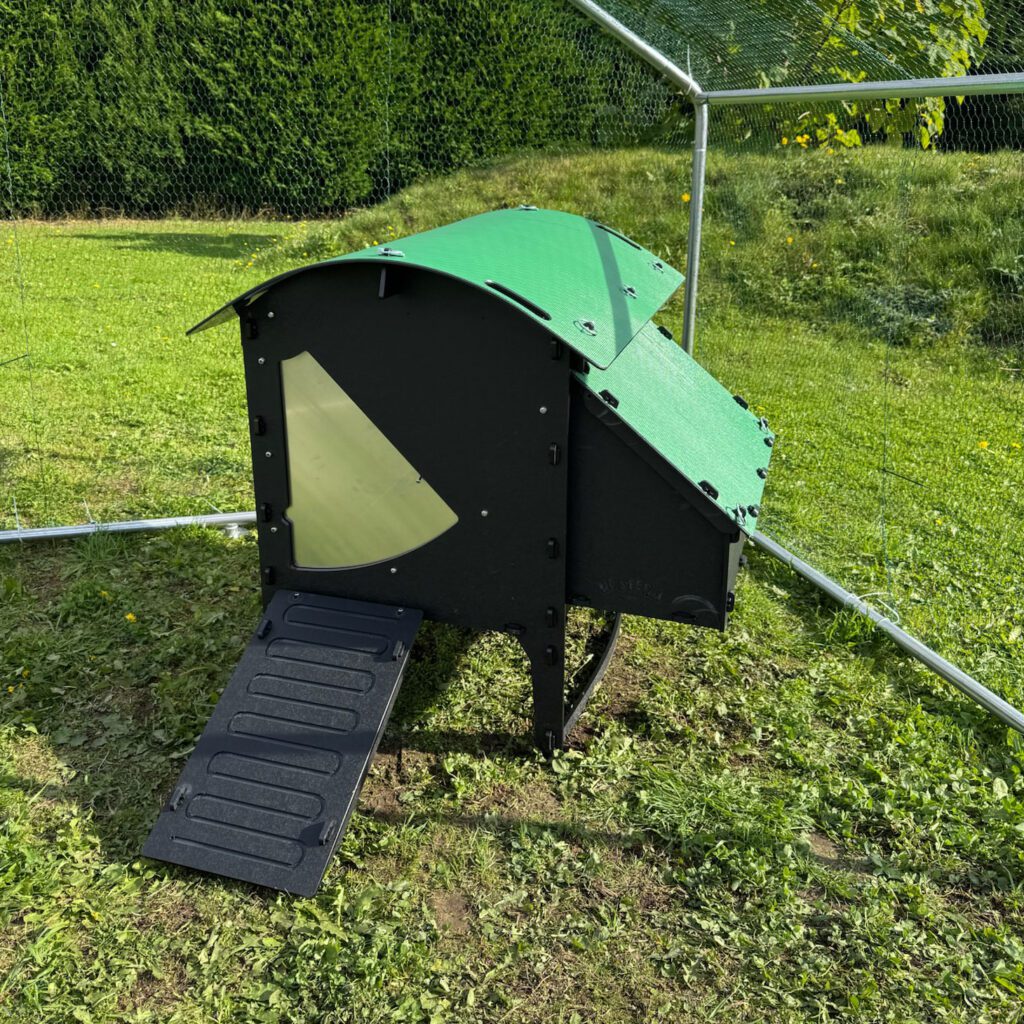
At PipinChick, we’re not certainly not here to knock more traditional style wooden coops. Far from it, we know that wooden houses can make warm, secure, and happy homes for your hens. If you're after something that’s super simple to keep clean, low maintenance, and lasts practically forever, then a plastic coop (like the brilliant ones we stock from Nestera) might just be your new best friend.
We'll look a little further into the details and help you decide which coop style suits you best.
Plastic: Cleaning Made Easy
Of course, chickens are delightful creatures, but they’re not exactly tidy flatmates. Coops need regular cleaning, and this is where the makers of the plastic models really promote their models and we don't disagree. With smooth, non-porous surfaces, most plastic coops can be cleaned with a quick hose down and a scrub with hot soapy water. No special tools, short drying time, and no damp lingering in the wood.
Wooden coops may need a little more love to keep clean over time. Because wood is a porous material, it naturally soaks up moisture and odours, and over time, it can become a bit harder to keep fresh. But with regular maintenance and a good scrub, wooden houses can be just as clean and cosy. The trick, in either case, is to stay on top of your routine.
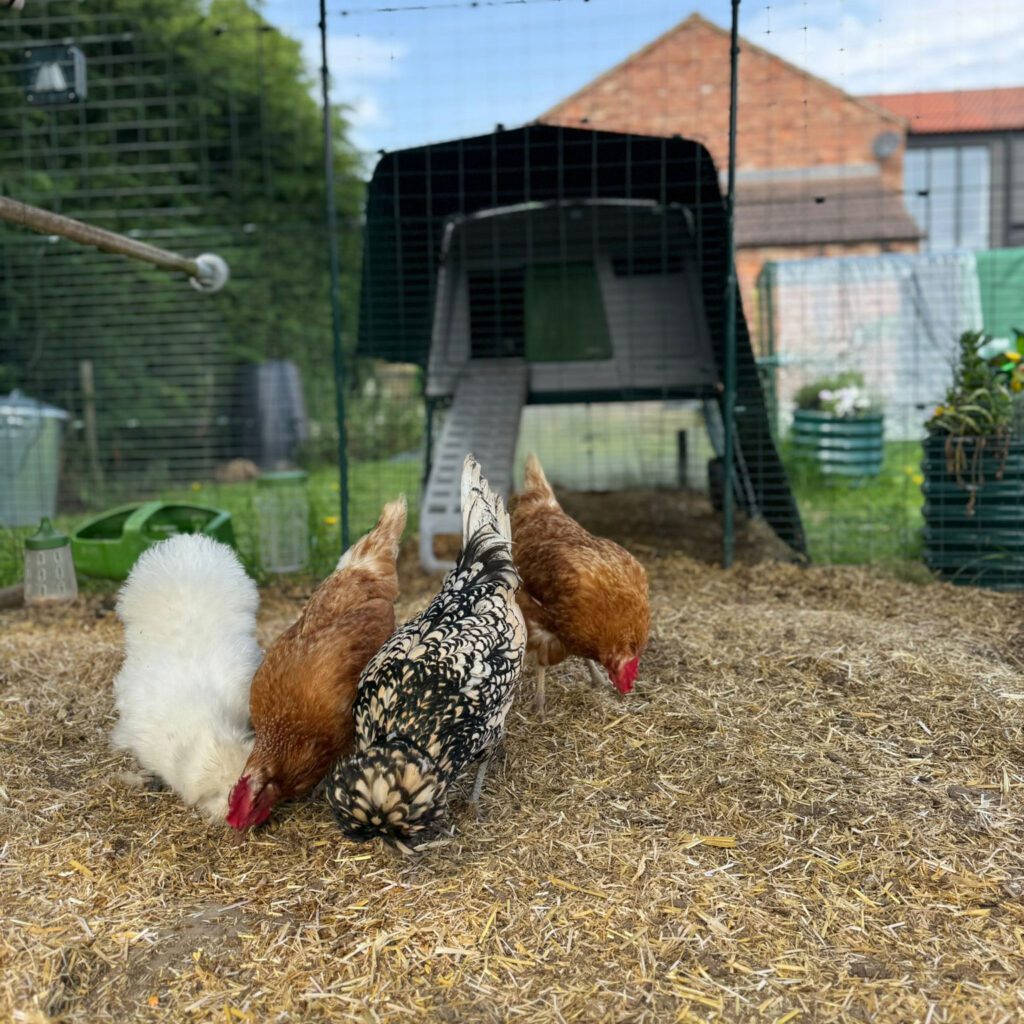
Red Mites: It’s Not What Your Coop Is Made Of, It’s How You Use It
Red mites aka, the nemesis of poultry keepers everywhere. You might have heard that plastic coops are “mite-proof”—but unfortunately this is not quite the case, red mites aren’t too fussy. They’ll move into any type of coop if the conditions suit them—yes, even the smoothest plastic ones.
Plastic does have the advantage of being easier to clean and dry quickly, which can make it simpler to manage an infestation if one pops up. But the real key to keeping mites at bay isn’t the material—it’s the keeper. Whether you’ve got a wooden house or a plastic one, regular checks, good hygiene, and proactive upkeep are what really keep your hens mite-free and happy. Problems can occur whether you own a wooden hen house or a plastic one if the cleaning is not carried out properly.
Durability and Weather-Proofing
Another consideration when bumming your hands a home is durability. Wooden coops can absolutely stand the test of time—but they’ll need a bit of TLC along the way. Paint, preservatives, and the occasional bit of repair work will keep your coop solid and weather-resistant for years. That rustic charm comes with responsibilities, after all.
Plastic coops, on the other hand, require very little in the way of maintenance. Nestera coops, for example, are made from recycled plastic and come with a 25-year guarantee. They don’t rot, warp, or need repainting—and they can handle whatever the British weather throws at them. If you’re looking for a ‘set it and forget it’ option, plastic might be the way to go.

Eco Credentials
Thinking green? Nestera plastic coops are made from fully recycled and recyclable materials, which is a lovely bonus for environmentally conscious chicken keepers. Wooden coops, especially those made with FSC-certified timber and sourced responsibly, are also a sustainable choice—so there’s eco-merit on both sides of the fence.
Safety and Security
Whether it’s made of wood or plastic, your coop needs to be strong and secure. It should keep your hens snug, shield them from the elements, and—most importantly—keep the foxes firmly on the outside.
We love Nestera’s robust design, which includes predator-proof mesh, sturdy fixings, and a stable, low-profile shape that stands strong against the wind. But again, it’s not about plastic vs. wood—it’s about picking a coop that’s well made and well maintained.
So, Which Should You Choose?
Well this really is down to your own personal preference. Wooden coops offer timeless appeal and a traditional feel, lower upfront costs and with regular care, they’ll serve you well. Plastic coops like those from Nestera are wonderfully low-maintenance, super easy to clean, and built to last.
If you’re a new chicken keeper looking to keep things simple—or a seasoned pro who wants a no-fuss option—then a plastic coop could be just the ticket. But if you love the look and feel of a wooden house and don’t mind rolling up your sleeves for the upkeep, you’ll be just as happy (and so will your hens).
The Final Pecking Order
At PipinChick, we believe good chicken keeping isn’t about choosing sides—it’s about choosing what works best for you, your lifestyle, and your flock. A happy hen isn’t fussed about what her coop is made from—as long as it’s clean, safe, and dry.
If a plastic coop sounds like your sort of thing, take a look at our Nestera range, They’re smart, sustainable, and seriously practical. Or if wooden hen houses sound like your thing, check out our wooden coops here. And if you ever need help picking the right one, you know where to find us.
Here’s to proactive poultry parenting—and plenty of happy hens!
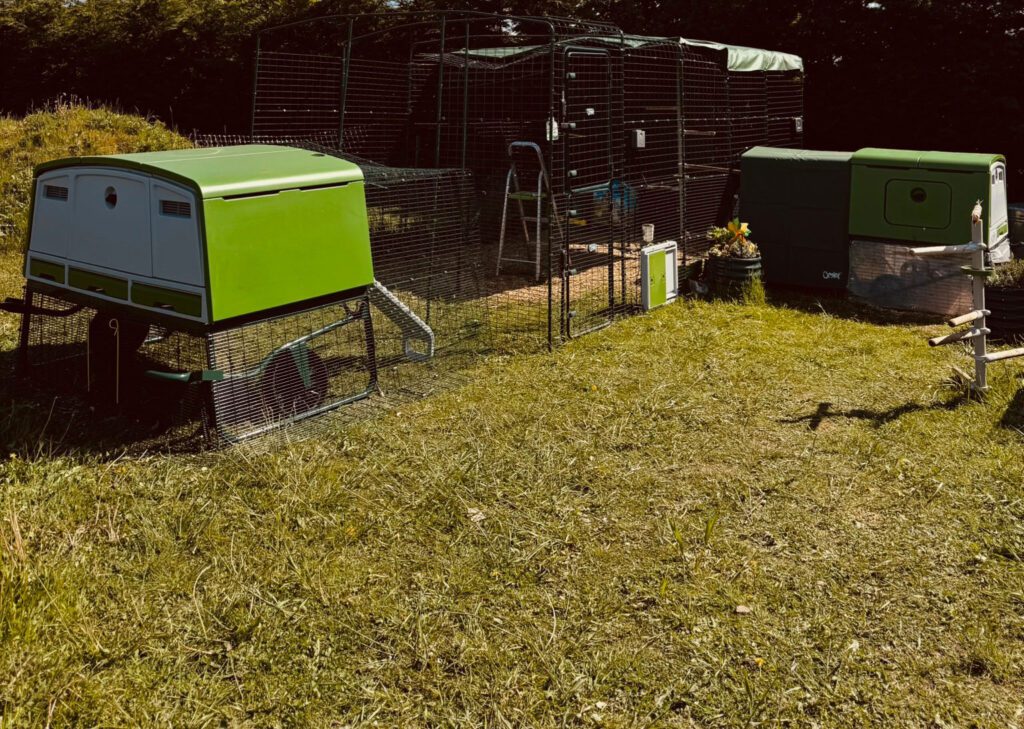
If you’re thinking about keeping chickens, or maybe you're already a proud keeper with a lovely little flock clucking around your garden, you may have been told “Keeping Chickens in your Garden?? You’ll get rats, you know.” Cue the mental image of whiskers, twitchy noses, and tails disappearing under the compost bin, or maybe you have already seen a few of the tell 'tale' signs of rats.
Well, here’s the good news: keeping chickens does not automatically mean your property will be overrun by rats. However, if you’re not careful with how you store feed and manage your chicken keeping setup, then rats can be a huge problem. After many years of raising chickens here at Pipinchick HQ, we know a thing or two about rats and how to stop them ruining your chicken keeping fun. This is our handy guide to help you be fully informed about why rats are attracted to chickens, what kind of damage they can cause, how to stop them from making themselves at home, and importantly, why the fear of rats shouldn’t stop you from enjoying the many joys of chicken keeping.
Why Do Rats Like Chicken Coops?
Firstly, rats don’t have a vendetta against chickens. They’re not stalking your flock like cartoon villains. What they do love is food, warmth, and shelter, and your chicken coop offers rats all three of these - if you’re not careful.
Food: Chicken feed is high in calories and often left out in open feeders, making it a buffet for rodents. Even a few scattered pellets on the ground are enough to spark the interest of the nearest rat.
Water: Rats need water to survive. If your hens have a steady water supply (as they should), that’s one more tick on the rat’s checklist.
Shelter: Coops, sheds, compost heaps, woodpiles—they’re all potential hideouts for rats. They love nesting in dark, dry, undisturbed spaces. If you’ve got bedding, hay, or straw lying around, that’s basically an invitation for a sleepover.
What Kind of Damage Can Rats Do?
While you might never actually see a rat (they tend to be nocturnal, the mess they can leave behind is unmistakable.
- Chewing: Rats gnaw constantly to keep their teeth in check. Wood, plastic, wires—they’re not fussy. Left unchecked, they can cause serious structural damage to coops, runs, and outbuildings.
- Contamination: Rat droppings and urine can contaminate chicken feed and water, posing health risks to your flock and you.
- Disease: Rats can carry diseases like leptospirosis, salmonella, and Weil’s disease, which can be transmitted through their droppings or urine.
- Egg theft: Believe it or not, rats have been known to steal (or eat) eggs.
How to Prevent Rats When Keeping Chickens
So how can you stop rats before they ever become a problem? These are tried-and-tested, sensible measures that won’t take the joy out of keeping hens.
1. Feed Smarter
Don’t leave feed out overnight. Use rat-proof feeders—those that close automatically or are treadle-operated so only chickens can access them. Always clear up any spilt feed and store bags in a sealed metal bin, not in the coop or shed where rats could easily gnaw through plastic or paper.
2. Raise the Coop
Make sure your coop is raised off the ground. Rats love to burrow underneath, so lifting the structure creates one less hiding place. Keep bedding fresh and dry, and do a quick check for droppings or gnaw marks when you clean.
3. Block Entry Points
Rats can squeeze through a hole the size of a 50p coin, honestly, that's not an exaggeration. Check your coop and nearby buildings for gaps, cracks, or holes, and seal them with metal mesh (they can chew through expanding foam like it’s cheese). Ventilation is important, but make sure it’s rodent-proof.
4. Tidy Up the Garden
A cluttered garden is a rat’s dream. Compost heaps, overgrown corners, woodpiles, and junk give them safe passage and nesting spots. Keep things neat and trim back overgrowth, especially around the coop.
5. Don’t Leave Eggs Overnight
Collect eggs daily, especially if you’ve had any signs of rats or mice. The less incentive there is for them to break in, the better.
6. Secure the Bin Area
If you keep your household or kitchen waste bins near your coop or garden, make sure they are sealed tightly. Food scraps—even if they’re technically “chicken safe”—can attract rodents. Consider using a compost tumbler rather than an open heap.
7. Encourage Natural Deterrents
If you’ve got space, consider making your garden less hospitable to rats. No standing water, no open food, and a clean coop mean fewer reasons for them to move in. Some people swear by peppermint oil-soaked cotton balls, placed near suspected entry points. Rats hate the smell. And of course, some cat owners report a drop in rat activity just from their feline’s presence (though you’ll need a chicken-friendly cat).
Should You Be Put Off Keeping Chickens?
Absolutely not. The reality is, rats are just part of life, whether you live in a town, city or in the countryside. Whether you have chickens or not. If there is food, shelter, and water, then it's very likely that there will be rats. However, just because you are keeping chickens, it doesn’t mean that rats will definitely move in.
With a bit of forward planning and sensible rat-preventing measures, you can keep chickens without ever seeing so much as a whisker, trust us. Your flock can thrive, your garden can stay tidy, and you don’t need to worry that you’re inviting a rat apocalypse.
The joy of collecting fresh eggs, watching your hens scratch and chat, and having a living compost bin far outweighs the manageable risk of rodent visitors.
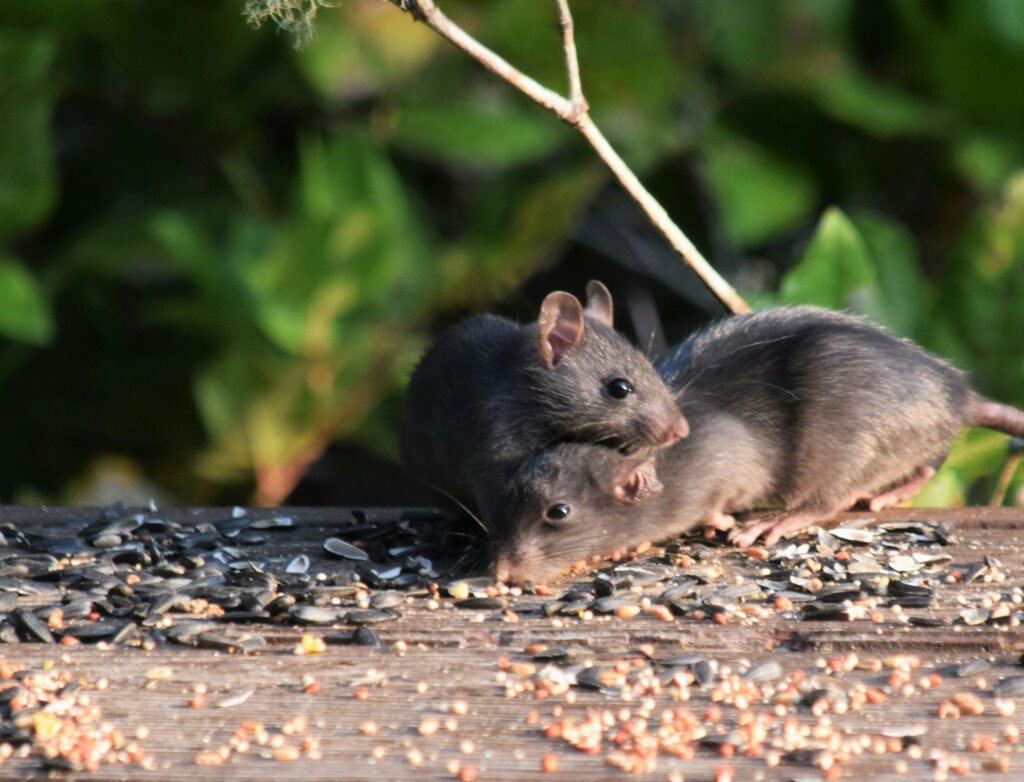
Rats vs Chickens - You Can Win!
So, yes rats might take an interest in your chickens, but only if you make it easy for them. Cut off their food supply, block their access, and keep your setup clean and secure; they’ll swiftly move on to somewhere else more appealing.
Don’t let rat scare stories stop you from becoming a chicken owner. With a bit of vigilance, a few smart tricks, and perhaps a slightly more enthusiastic approach to tidying up the shed, you’ll have a happy, healthy flock—and a rat-free coop.
At Pipinchick, we have been raising chickens in a (more or less!) rat-free environment for many years. Our chickens are hatched, hand-reared, and nurtured by us on our farm in the beautiful Somerset Countryside in the Chew Valley near Bristol until they are ready to be sold online and delivered safely to your door. Take a look at our cute and fluffy silkies, our fun and friendly bantams, or all of our chickens for sale here. We also stock a wide variety of chicken coops & runs, including classic wooden coops and plastic chicken houses, as well as a whole host of poultry supplies, including poultry feeders, poultry drinkers, chicken healthcare, chicken hygiene and chicken feed.
If you’ve got pet chickens, you’ll know they’re not exactly fussy eaters. In fact, some hens will try to eat just about anything—your plants, your shoelaces... We've even known some of our more cheeky birds to go for our sandwiches when left within beak’s reach!! But just because they can eat something doesn’t mean they should.
So, what’s the best way to keep your feathered friends well-fed, happy, and laying the best eggs? And what should you avoid giving them? Here’s everything you need to know about feeding your chickens the right way, brought to you by the chicken rearers here, Pipinchick; we raise and nurture healthy, happy pet chickens to sell and deliver them safely to your door.
What Can You Feed Chickens?
Chickens need a balanced diet to stay healthy, lay strong eggs, and keep those fluffy feathers looking fabulous. A good-quality layer feed should always be their main source of food, but you can supplement their diet with a range of safe, nutritious treats.
Safe and Healthy Treats for Chickens
- Fruits and Vegetables – Most fruits and veggies are great for chickens, just avoid anything mouldy or rotten. Leafy greens, lettuce, apples, berries, carrots, cucumbers, and squashes are all favourites.
- Dried Corn – A brilliant snack, especially in winter, as it's high engird so can help keep them warm. Scatter some around for a bit of fun foraging.
- Live Grubs – Black fly larvae, mealworms, and soldier fly larvae are packed with protein and loved by chickens. A great treat, but remember, it’s illegal in the UK to feed them dried grubs. You can read more about the benefits of feeding your hens live feed here.
- Seeds and Nuts – A good source of fats and nutrients, but offer sparingly—too much can lead to weight gain.
- Dried Woodland Mushrooms – If they’re safe for humans, they’re safe for hens. Chickens love a nibble on these earthy treats.
- Edible Flowers – Marigolds, nasturtiums, roses, and lavender not only brighten up your garden but are also tasty and healthy for your hens.
- Herbs – Oregano, parsley, thyme, rosemary, and lemon balm are all great for boosting hen health. They’re also natural pest repellents, so feel free to pop some in their nesting boxes.
- Porridge (in winter) – Rolled oats mixed with warm water make a lovely evening treat when the temperatures drop. It helps keep them cosy overnight as they burn the energy. Just be mindful of how much you are feeding them, as oats are quite high in fat.
A mix of these natural treats will not only keep your chickens healthy but also entertained. Happy hens love to peck, scratch, and forage—so scattering treats in their run is a great way to encourage natural behaviours.
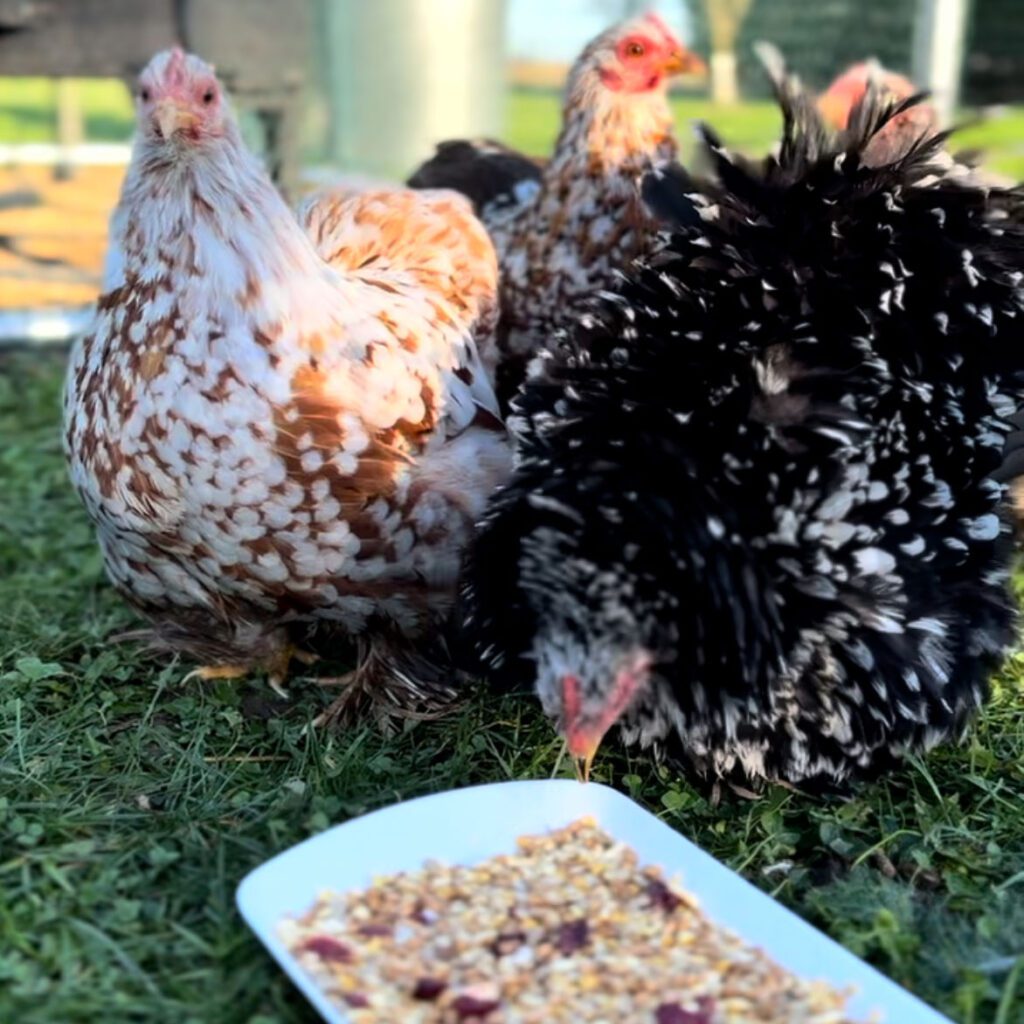
What Can’t You Feed Chickens?
Not everything is safe for your flock, and some foods can even be harmful. If in doubt, leave it out.
- Kitchen Scraps and Leftovers – It might sound surprising, but in the UK, it’s actually illegal to feed chickens food that has been in your kitchen, including bread, pasta, cooked veg, or even your own homegrown fruit if it has been inside your house. This rule is in place to prevent disease transmission.
- Meat and Dairy – Absolutely not. Chickens maybe omnivores, but feeding them meat or dairy products (like cheese or yoghurt) is against UK regulations and can lead to health issues.
- Raw or Green Potatoes – The skins contain solanine, which is toxic to chickens. Cooked, plain potatoes are fine in small amounts, but raw is best avoided.
- Onions and Garlic – In large quantities, these can cause digestive problems and even affect the taste of their eggs (no one wants onion-flavoured eggs).
- Avocado (Especially the stone and skin) – Contains persin, a toxin that can be harmful to chickens.
- Chocolate and Sugary Foods – Chocolate is toxic to chickens, just like it is for dogs. And sugar is not good for their health either.
- Mouldy or Rotten Food – It might seem like a waste to throw away old food, but mould can produce toxins that are dangerous to chickens. If it’s not fresh, don’t feed it.
- Uncooked Beans – These contain lectins, which can be deadly to chickens if eaten raw. Cooked beans are fine, but really, they’re not the best treat—there are plenty of better options for your chickens.
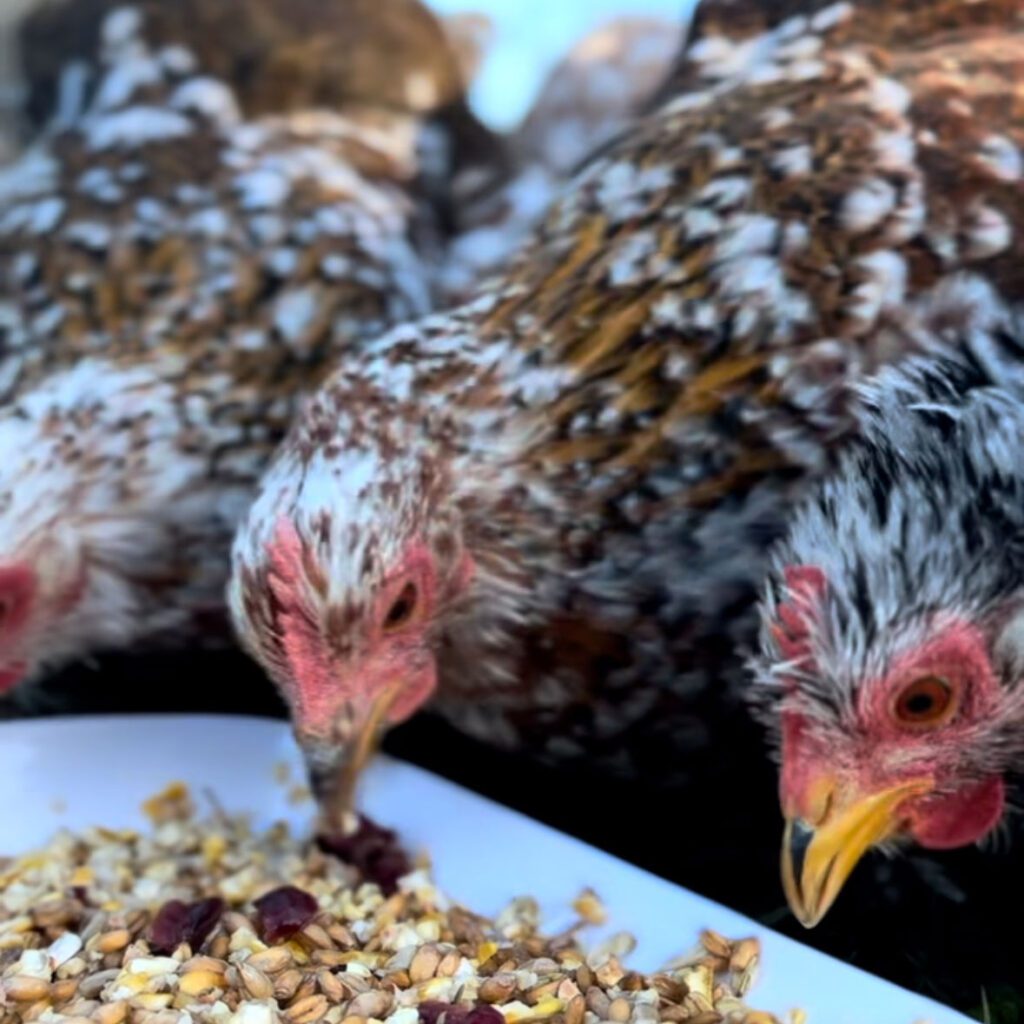
Keeping Your Hens Happy and Healthy
Feeding chickens the right way isn’t just about nutrition—it’s about keeping them engaged, active, and full of energy. Give them space to forage, scatter some healthy treats, and watch them scratch and peck to their heart’s content.
By sticking to the right foods and avoiding the banned ones, you’ll ensure your girls stay healthy, keep laying beautiful eggs, and live long, happy lives.
So next time your hens give you the look as you snack on something tasty, you’ll know exactly what you can (and can’t) share with them.
Welcoming new chickens is always an exciting moment, whether you’re a first-time chicken keeper or adding to your existing flock. It’s natural to want to interact with them straight away, but giving them the right start by settling them in correctly will help them to feel safe and happy in their new home.
Give Your Chickens Time to Adjust
When your new hens arrive, it’s important to provide them with a calm and stress-free environment. Resist the urge to pick them up straight away—while it’s tempting to give them lots of attention, they’ll need a few hours to explore their new surroundings on their own terms.
Make sure their food and water are easily accessible and visible so they can find them without difficulty. It’s best to let them settle in quietly and observe from a distance as they start to move around and become familiar with their new living arrangements.
Building Your Chickens' Trust with Treats
Once your hens seem a little more comfortable, you can begin to bond with them by offering treats. A great way to build trust is to sprinkle a few treats, such as live grubs, such as Mealworms, Mario Worms, or Calci Worms into their run; this will encourage them to associate you with positive experiences. Over the next two to three weeks, continue to offer treats by hand when you visit them—this will help them see you as a source of good things, making them friendlier and more comfortable around you.
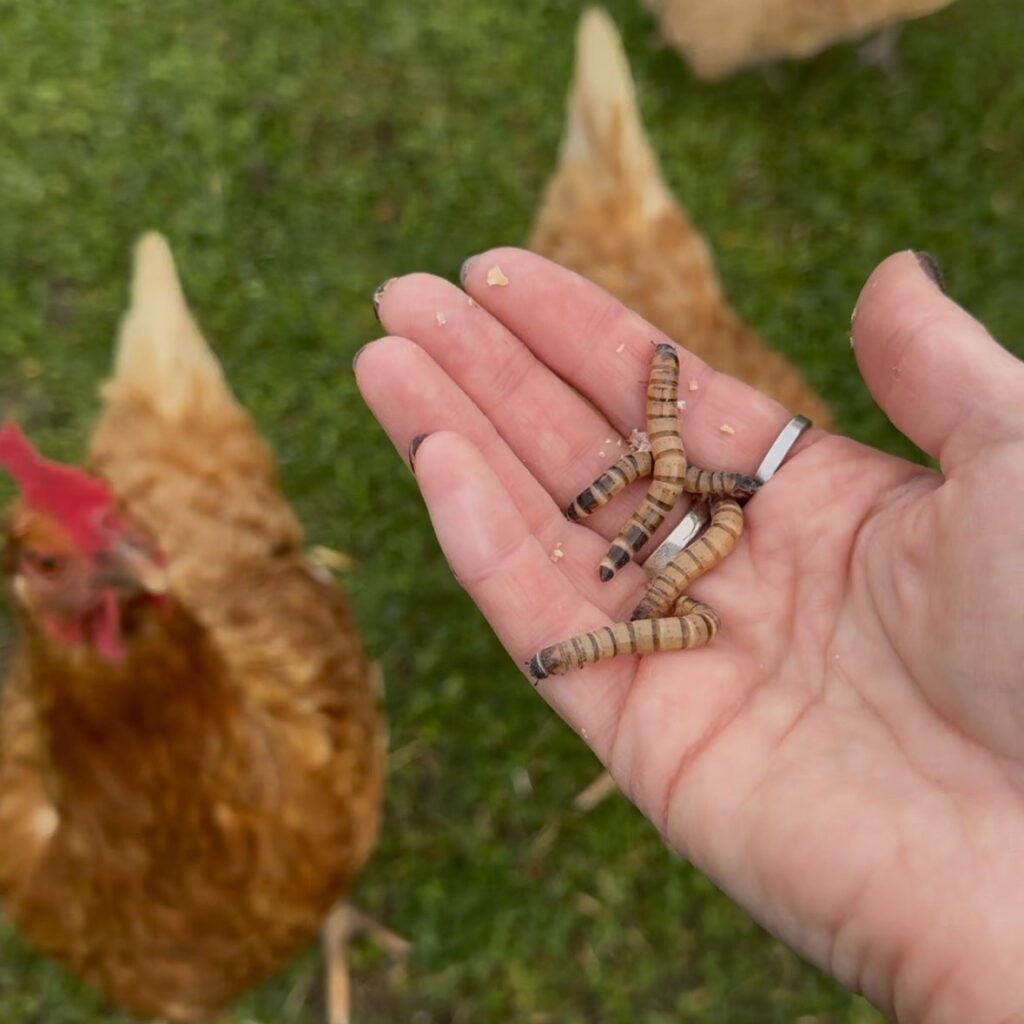
Settling Specific Chicken Breeds
Different chicken breeds have different temperaments, and understanding their needs will help you provide the best care during their settling-in period.
Settling in Your New Silkies
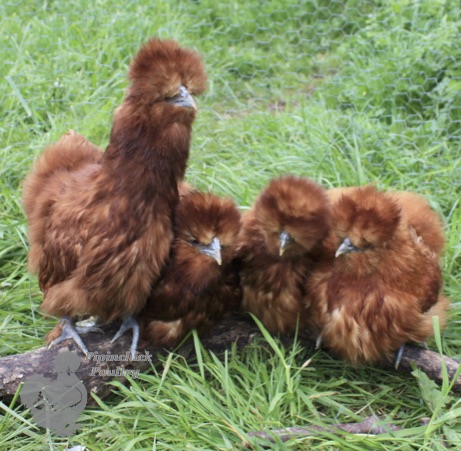
Silkies are known for their calm and friendly nature, but they can also be quite timid when introduced to a new environment. Because of their soft, fluffy feathers, they rely more on their sense of sound and touch than sight, so approach them gently and talk to them softly. Silkies love routine, so keeping their feeding times consistent will help them settle in more quickly.
They also enjoy companionship, so if you’re introducing them to an existing flock, make sure they have other Silkies or similarly gentle breeds to bond with. Providing plenty of sheltered areas will help them feel secure, as they’re not the best at flying or roosting high up.
Settling in Your New Pavonas
Pavonas are a stunning and unique breed, often admired for their elegance and personality. They can be a little more reserved at first, so patience is key. Like Silkies, they will respond well to routine and gentle interaction. Because Pavonas are more independent than some other breeds, they may take a little longer to build trust with their new owner, but offering treats regularly will encourage them to warm up to you.
Providing a spacious run with plenty of perches and hiding spots will help them feel safe and encourage them to explore their new home confidently.
Settling in Your New Pekin Bantams
Pekin Bantams are small, round, and full of personality! They are generally friendly and docile, making them a great choice for families. These little birds love attention but can also be a bit nervous when first settling in. Give them time to adjust at their own pace, and use treats as a way to gain their trust.
Pekins enjoy scratching around, so a run with soft ground and plenty of bedding will keep them happy. Because of their feathered feet, make sure their run stays clean and dry to prevent potential health issues.
Creating a Comfortable Environment
Regardless of breed, all new chickens need a secure, well-prepared home to help them feel safe. Here are some key things to conside
Safe Housing – Ensure their coop is predator-proof and well-ventilated, with enough space for each bird to roost comfortably.
Spacious Run – Even if you plan to free-range your hens eventually, start by keeping them in a secure run so they can familiarise themselves with their new surroundings.
Bedding and Nesting Areas – Provide clean, cosy bedding in the coop and make sure nest boxes are set up for when they start laying.
Routine – Chickens thrive on routine, so try to feed and let them out at the same times each day.
When to Let Them Free-Range
If you plan to allow your hens to free-range, it’s best to wait at least a week before letting them out. This gives them enough time to recognise their new home and feel secure in their surroundings. Start by letting them out for short periods under supervision and ensure they know where to return at night.
Building Trust with Your Hens
Helping your new hens settle in is all about patience, consistency, and building trust. By giving them space to adjust, using treats to create positive associations, and providing a safe and enriching environment, you’ll soon have happy, confident chickens that feel right at home.
At Pipinchick, we’re passionate about high-welfare chicken keeping and offer a variety of well-reared, friendly hens to suit every keeper. Because our hens are reared lovingly by us here on our farm in the beautiful Somerset countryside near Bristol, they have not been imported from Europe like many other live chickens for sale, and this means they have already been given the best start in life. Whether you’re welcoming Silkies, Brahma Chickens, Bantams, Cochin Chickens or any type of chickens to your flock, the key is to let them settle at their own pace and enjoy the rewarding experience of keeping backyard chickens!
For more tips on caring for your chickens, you can follow Pipinchick on Facebook or Instagram here.