


How To Choose The Right Chicken House
Choosing a chicken house is one of the most important decisions you will make before bringing your hens home. So much more than just a little bedroom with a door, a perch and a pretty roof. It is their safe place, their egg-laying nook, their shelter from wild weather, their protection from predators and, if chosen wisely, the start of a much easier chicken-keeping adventure for you too.
At Pipinchick, we sell a useful range of Chicken Coops & Runs, including recycled plastic chicken houses, economic wooden chicken houses and runs, deluxe wooden chicken houses and runs, walk-in chicken runs, and chicken house accessories such as automatic doors and covers. That gives customers a lovely choice, but it also means you may need a little help understanding which chicken house is right for your garden, flock size and breed.
So, pop the kettle on, gather your chicken dreams, and let’s find the right home for your future feathered friends.
Start With The Size Of Your Flock
Before looking at colour, style or accessories, start with the most important question: how many chickens do you plan to keep?
Chickens are sociable little souls, so they should not be kept alone. A small flock of three or four hens is often a lovely starting point for a back garden. It gives them company, helps create a natural flock dynamic and usually provides a steady supply of eggs, depending on the breed.
That said, it is usually wise to choose a chicken house that gives you a little more room than the bare minimum. Chickens do not read product labels, and they certainly do not politely stand in equal spacing like commuters on a platform. Some like to snuggle up. Some like to flap. Some want the best perch and will make a fuss until they get it.
If you are planning to keep three hens, consider a house that can comfortably suit four. If you are starting with four, think about whether you might want six one day. Chicken maths has a funny way of sneaking up on people.
Think About The Breed Before You Buy Your Chicken House
Different types of chickens have different housing needs. A tiny bantam and a big Brahma may both be chickens, but they will not use space in quite the same way.
Bantams And Smaller Chickens
Bantams are smaller chickens, often full of character and charm. Because they are little, they usually need less internal house space and perch space than larger breeds. They can be a brilliant choice for smaller gardens, especially if you want pet chickens rather than maximum egg production.
For bantams, a compact chicken house with a secure run can work beautifully, as long as it is easy to clean, well ventilated and predator-resistant. They may also enjoy lower perches and easy access ramps, especially if they are particularly small or decorative breeds.
Best house style: a smaller wooden chicken house and run, or a compact recycled plastic chicken house with a secure attached run.
Silkies
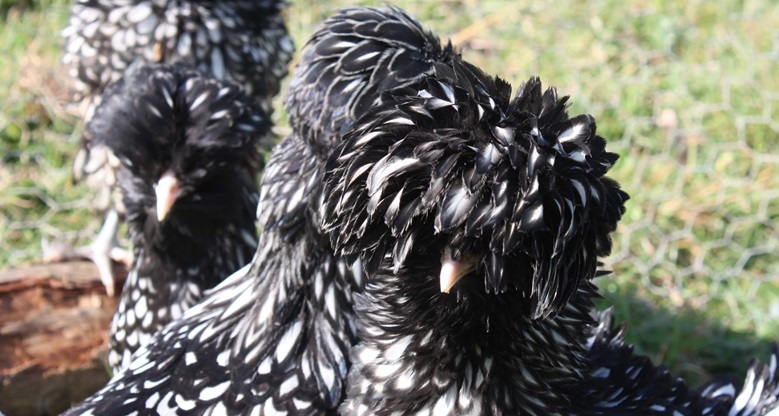
Silkies are one of the most adored pet chicken breeds, and for very good reason. They are fluffy, gentle, funny and full of personality. Their soft feathering makes them look like little garden clouds with feet, but it also means they need sensible housing.
Silkies are not the best flyers and can be less weatherproof than some smooth-feathered breeds. They usually appreciate a dry, sheltered chicken house and run, with easy access and no awkward high ramps. A covered run can be especially useful to help keep their fluffy feathers from getting soaked in wet weather.
Best house style: a low-access chicken house with a covered run, good shelter and easy cleaning. A plastic chicken house can be a practical option because it is quick to clean and maintain, while a well-sheltered wooden house can also work beautifully.
Hybrid Laying Hens
Hybrid chickens, including popular laying types such as Lohmann Browns, are often chosen for their reliable egg production and friendly back garden nature. These hens are usually active, practical and busy. They like to scratch, forage, perch and potter about with purpose.
For hybrids, prioritise space, easy cleaning and a secure run. They may not need anything fancy, but they do need a dry, safe house with enough perch space and a run that lets them stretch their legs.
Best house style: a sturdy plastic or wooden chicken house with a generous run. If your hens will not be free-ranging all day, a larger walk-in run is well worth considering.
Large Pure Breed Chickens
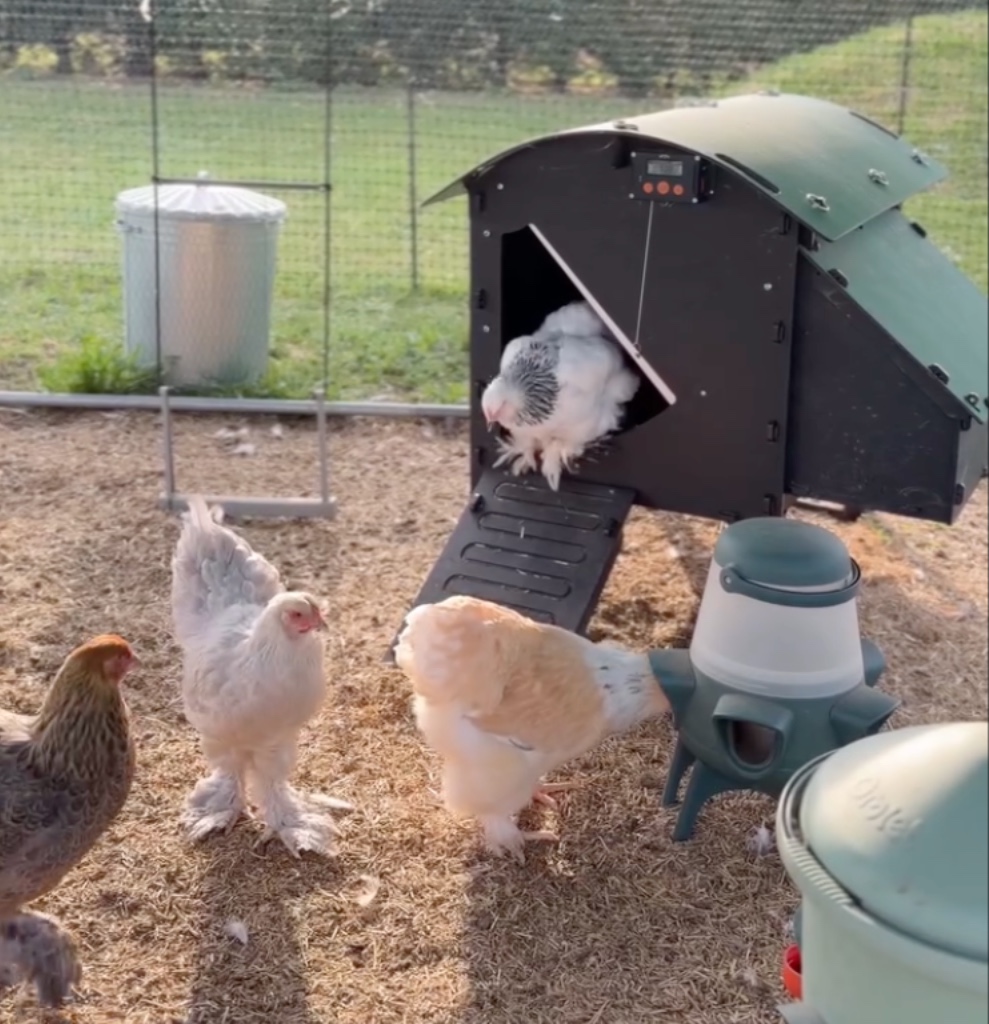
Large pure breed chickens can be wonderful, impressive birds, but they need more space than smaller hens. Bigger birds need wider access, comfortable perches, good headroom and a house that does not feel cramped.
For heavier breeds, check the pop hole size, ramp angle and perch height. Some larger chickens are not especially graceful, and you do not want them wobbling down a steep ramp every morning like sleepy royalty leaving a castle.
Best house style: a larger deluxe wooden chicken house and run, or a spacious plastic chicken house with a large secure run. A walk-in chicken run is ideal if you have room.
Mixed Flocks
Many people love the idea of a mixed flock, perhaps a couple of Silkies, a few laying hens and a bantam or two. This can work, but you need to think carefully about different sizes, temperaments and access needs.
A mixed flock often benefits from extra room, multiple feeding points, easy access and enough perch space to reduce squabbles.
Best house style: a slightly larger chicken house than you think you need, ideally with a secure run and flexible layout.
Plastic Chicken Houses Or Wooden Chicken Houses?
There is no single best chicken house for everyone. The right choice depends on your garden, your flock, your budget and how much maintenance you are happy to do.
Plastic Chicken Houses
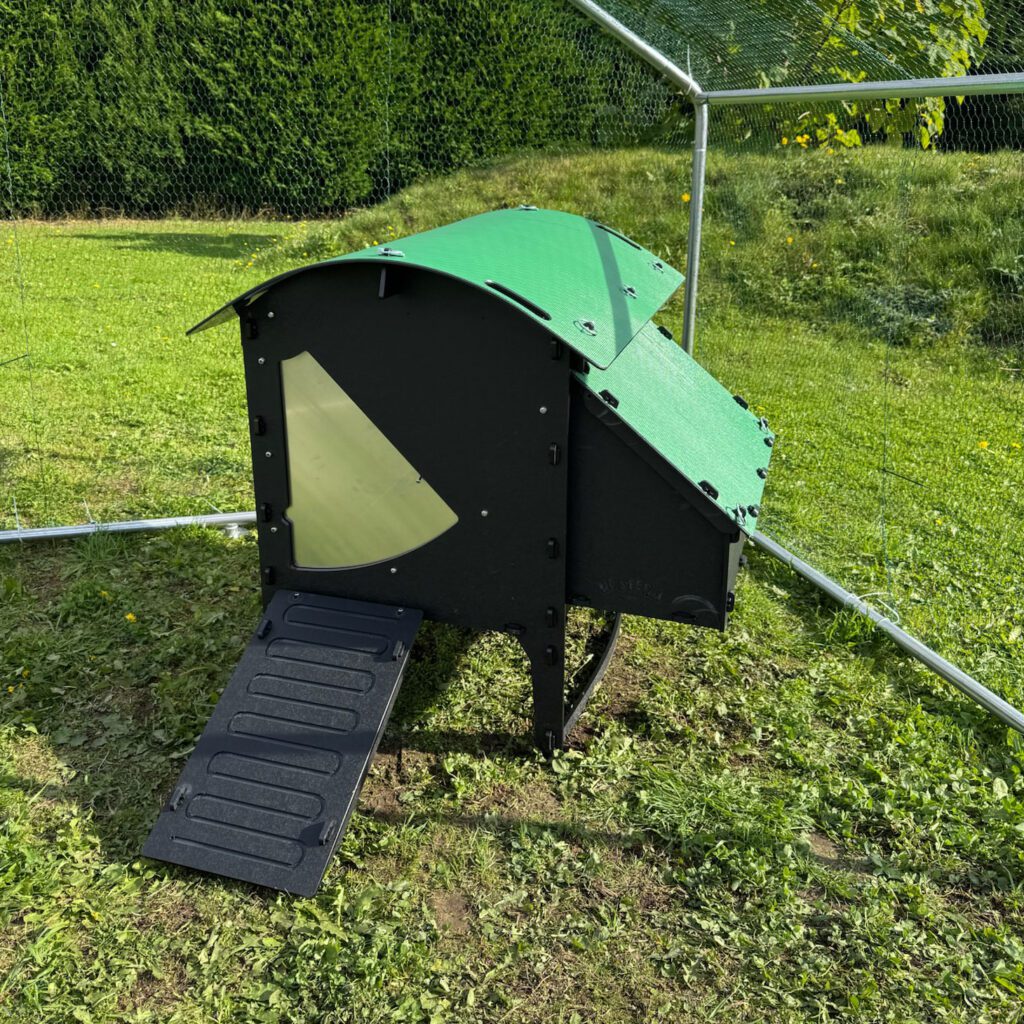
Plastic chicken houses are popular because they are easy to clean, practical and low maintenance. They can be a particularly sensible choice for busy families, first-time chicken keepers or anyone who wants the cleaning routine to be as quick and fuss-free as possible.
They may also help reduce hiding places for red mite compared with some wooden structures, although it is important not to say they make mite problems impossible. Red mite can still occur, so regular checking and cleaning are still needed.
Plastic chicken houses are especially useful if you want a neat, durable, wipe-clean option that works well in a modern garden.
Wooden Chicken Houses
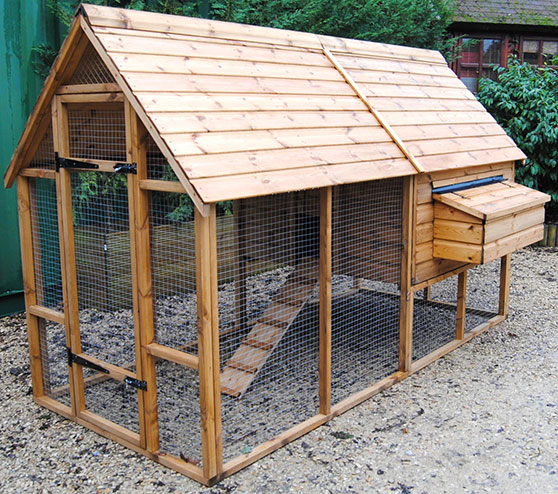
Wooden chicken houses have a traditional look and can blend beautifully into the garden. They can often be treated or painted, making them a lovely choice if you want something that feels more natural or cottage-garden friendly.
The trade-off is that wood generally needs more maintenance than plastic. It may need treating, checking and cleaning more carefully over time. A well-made wooden chicken house can be a beautiful and practical option, especially if you enjoy the traditional hen-keeping look.
You can read more about Wooden Vs Plastic Chicken Houses here.
Walk-In Chicken Runs
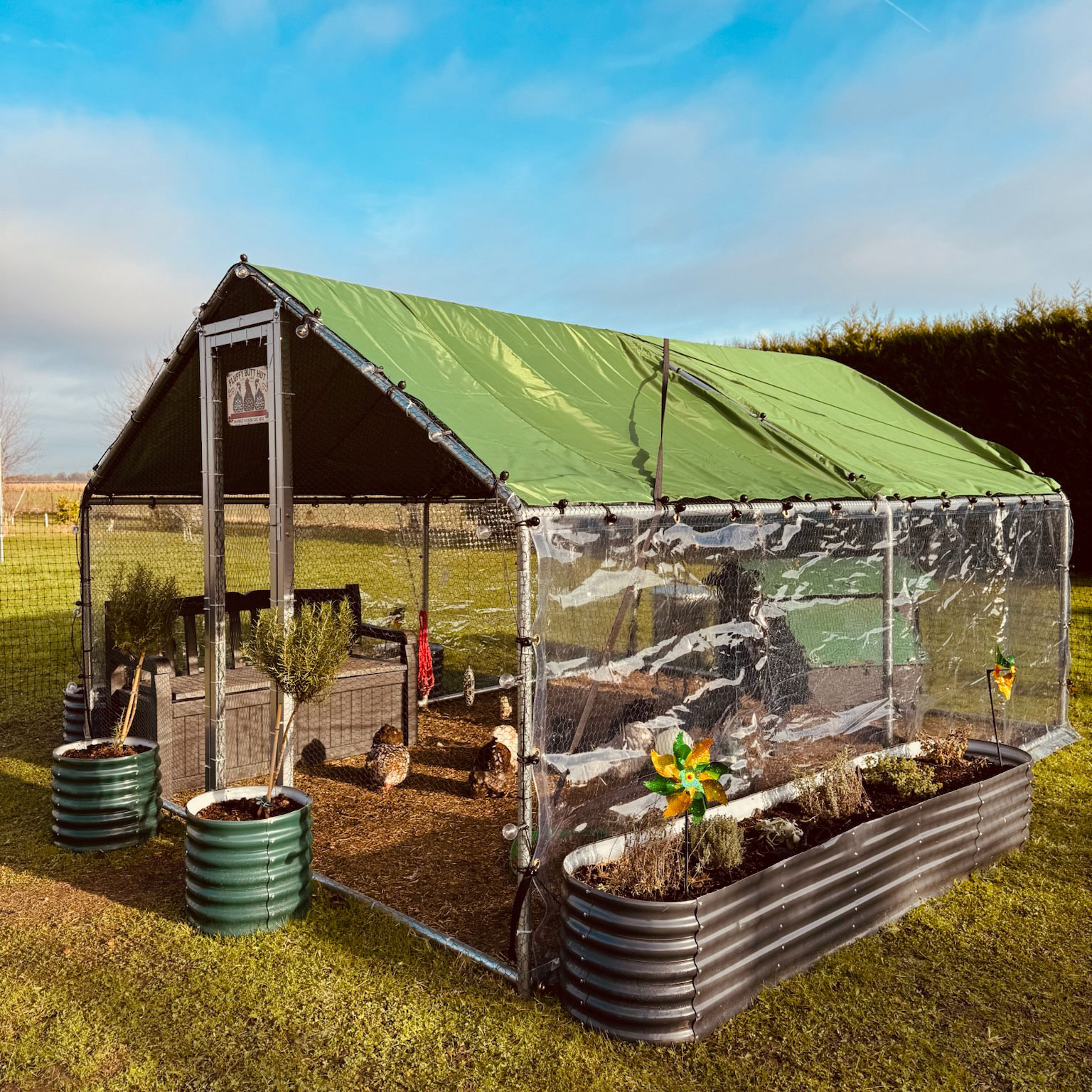
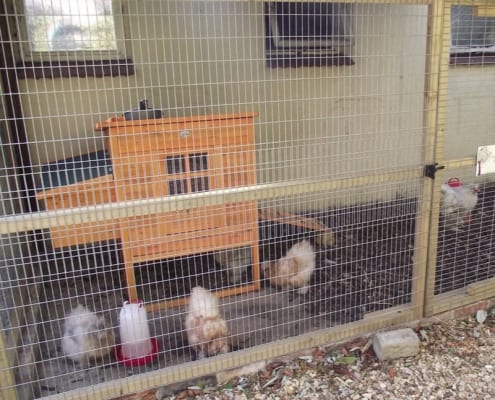
A walk-in chicken run is a brilliant choice if your hens will spend a lot of time enclosed. It gives them more room to forage and makes life much easier for you when feeding, cleaning or doing your daily chicken headcount.
Secure runs are especially important if you are out during the day. They can help protect your chickens while giving them more freedom to scratch, dust bathe and explore safely.
Key Features To Look For In A Chicken House
A good chicken house should feel safe, dry, practical and comfortable. Before buying, check for:
- Good ventilation without draughts
- A secure door or automatic door option
- Enough perch space for the breed and flock size
- Easy access for cleaning
- A nesting area for egg laying
- A secure run or the option to add one
- Weather protection
- Predator-resistant design
- Room to expand if your flock grows
Do not forget the practical side. A chicken house may look adorable online, but if cleaning it involves folding yourself into a shape no human should attempt, the novelty will wear off quickly. Easy access is a gift to your future self.
What Chicken House Should I Choose?
For a small back garden flock: choose a compact plastic or wooden chicken house with an attached secure run.
For Silkies: choose a sheltered, easy-access house with a covered run and no tricky steep ramps.
For bantams: choose a smaller house, but still give them plenty of run space for exploring.
For hybrid laying hens: choose a practical, easy-clean house with generous run space.
For large breeds: choose a spacious house with wide access, strong perches and good headroom.
For a growing flock: choose bigger than you need today. Future you may be very grateful.
Find The Right Chicken House At Pipinchick
Whether you are planning a tiny bantam flock, a fluffy Silkie kingdom or a busy group of egg-laying hens, the right chicken house makes all the difference. It keeps your chickens safe, gives them space to rest and lay, and makes daily care much easier for you.
At Pipinchick, you can explore plastic chicken houses, wooden chicken houses, chicken houses with runs, walk-in chicken runs and handy accessories to help create a safe, practical and happy home for your flock.
Because happy hens need more than a house. They need a home, preferably one with good perches, cosy nesting spots and a keeper who knows exactly where the treats are kept.