

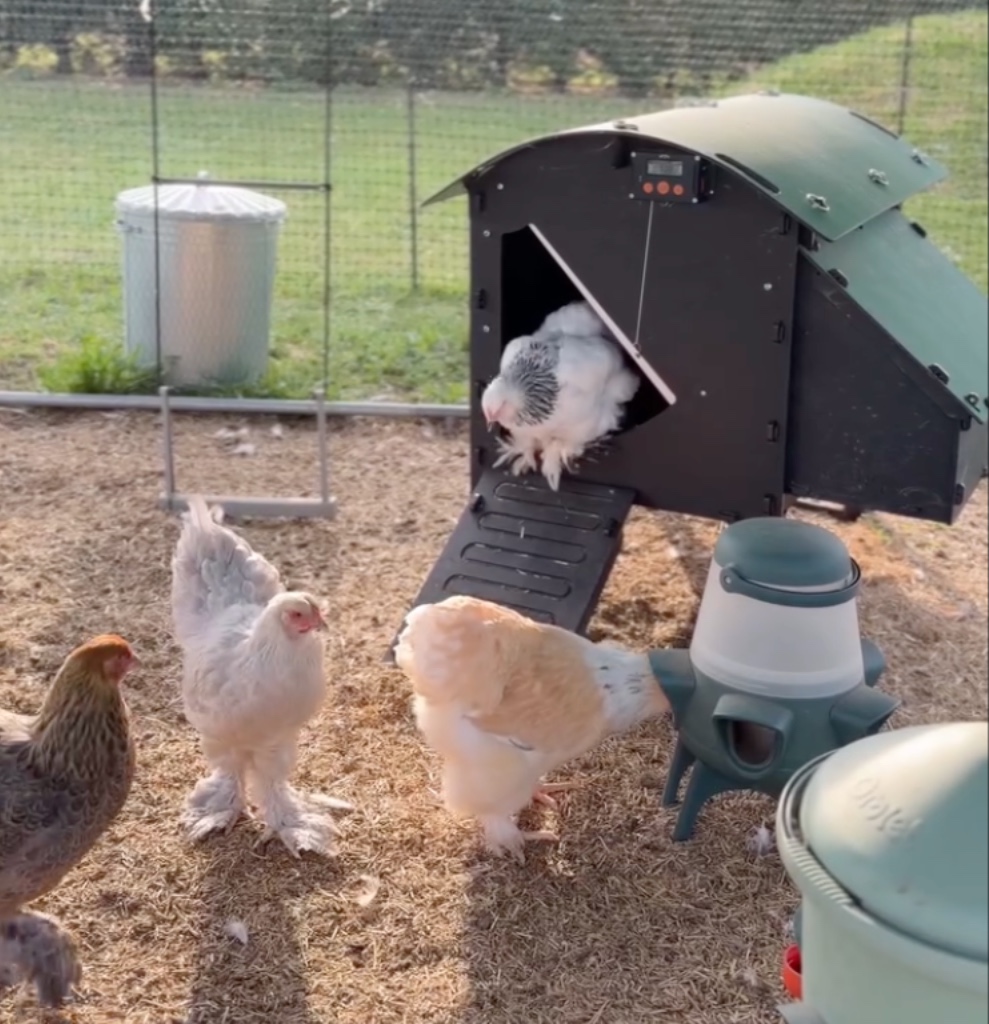

Which Chicken Feeder Do I Need?
Choosing the right chicken feeder may sound simple enough, until you realise there are chick feeders, hen feeders, poultry feeders with feet, hanging feeders, metal feeders, plastic feeders, treadle feeders, hopper feeders and little caddy feeders for tasty pecker balls.
Suddenly, feeding your flock feels less like scattering a bit of food and more like organising a five-star buffet for feathered royalty.
But do not worry. Choosing the best chicken feeder does not have to be complicated. The right feeder simply needs to suit your flock size, your hens’ age, your garden setup and the type of feed you are using. Get it right, and you will keep food cleaner, reduce waste, stop feed getting soggy and make daily chicken care much easier.
A feeder is just one part of your setup — if you're still getting sorted, our guide on what you need to keep chickens covers the essentials.
So, whether you are feeding tiny chicks, a few bantams, a busy flock of laying hens or some big, beautiful pure breeds, here is Pipinchick’s handy guide to choosing the right poultry feeder.
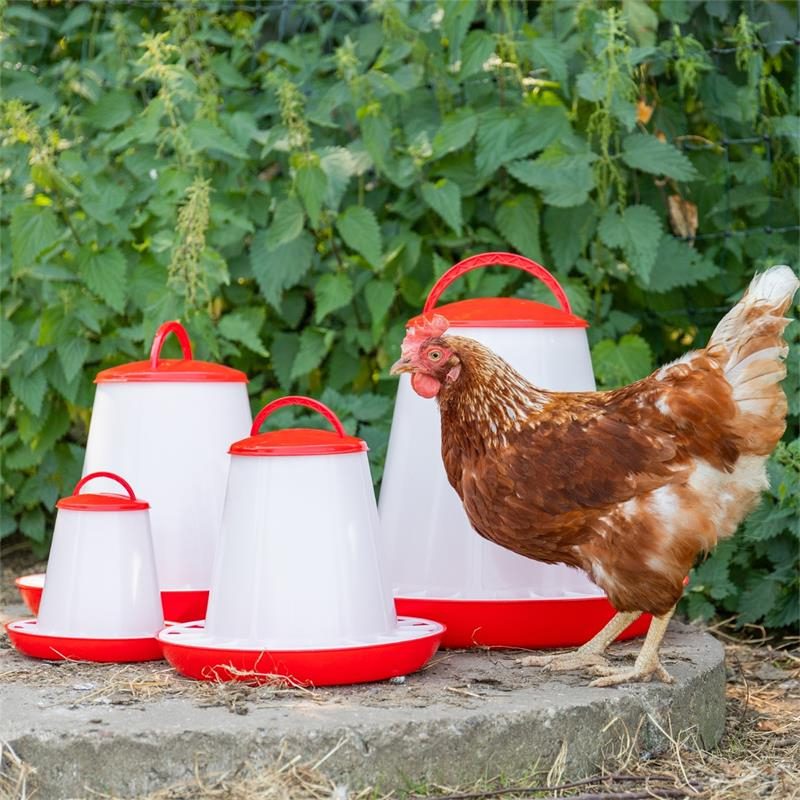
Why Does The Right Chicken Feeder Matter?
A good chicken feeder does more than hold food. It helps keep your hens healthy, happy and well fed without turning your chicken run into a crumble-covered chaos zone.
Chickens are enthusiastic eaters. They scratch, flick, peck, paddle, tip and investigate everything. Give them an open bowl of feed and they will often hop in it, kick half of it across the floor, then look at you as if the mysterious mess had nothing to do with them.
The right hen feeder can help:
- Keep feed cleaner
- Reduce waste
- Stop food getting damp in the rain
- Make feeding easier for you
- Give all hens better access to food
- Discourage wild birds and unwanted visitors
- Suit different ages, breeds and flock sizes
It is not about being fancy. It is about making life easier for you and better for your chickens.
What Feeder Do I Need For Chicks?
If you are raising chicks, you need a feeder designed specifically for little beaks and little feet.
Chicks need easy access to food, but they also need a feeder that helps stop them climbing into it, scratching bedding through it or tipping it over. A chick tray feeder or bottle chick feeder is usually a good starting point because it keeps food accessible at chick height.
A chick feeder is designed to let several chicks feed at once without them standing in the food quite as easily as they would with an open dish. This helps keep the feed fresher and reduces waste.
Best choice for chicks: chick tray feeder or bottle chick feeder.
Best for: young chicks, growers and smaller birds that need easy access to food.
Pipinchick stocks options such as the Eton Bottle Chick Feeder and Eton Plastic Chick Tray Feeder, both suited to smaller, younger birds.
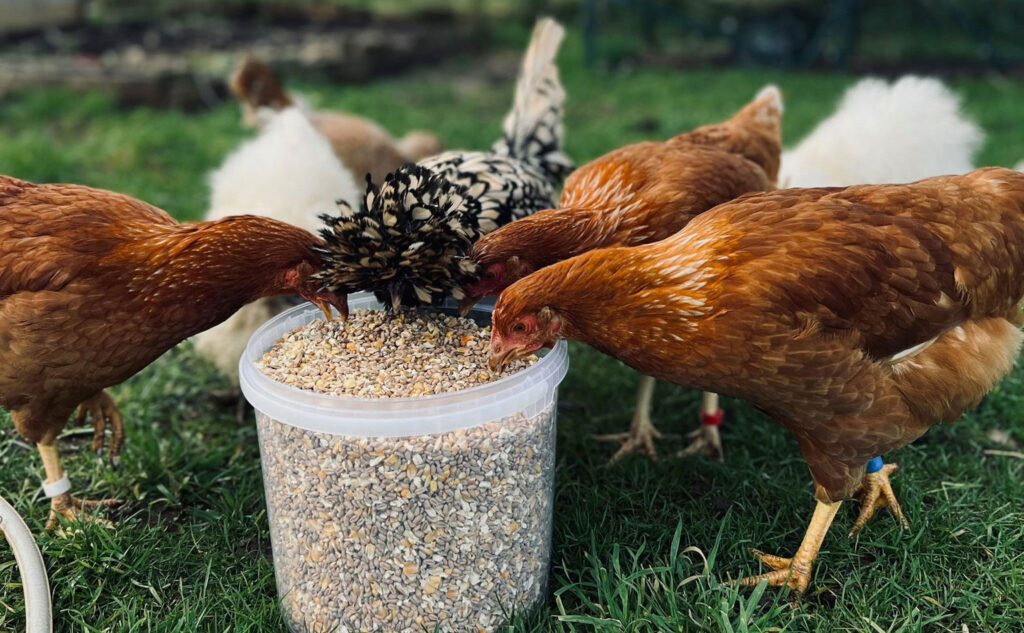
What Feeder Do I Need For Bantams?
Bantams may be small, but they are not short on personality. These little chickens often do best with a lightweight, accessible feeder that is not too tall or awkward for them to use.
A small plastic poultry feeder can work well for bantams, especially if you only have a small flock. Feeders with feet can also be useful because they raise the food slightly off the ground, helping keep it cleaner without making it too high for smaller birds.
For bantams, avoid anything that feels oversized or difficult to access. They need to be able to feed comfortably without stretching, scrambling or getting pushed aside by larger hens if they are part of a mixed flock.
Best choice for bantams: small plastic poultry feeder, recycled plastic feeder with feet, or a 1kg to 2.5kg feeder.
Best for: bantams, smaller hens and compact back garden flocks.
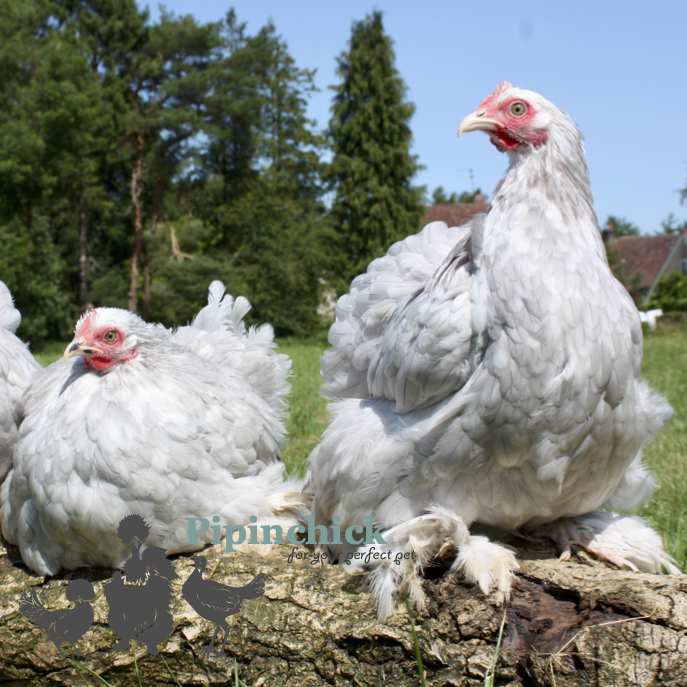
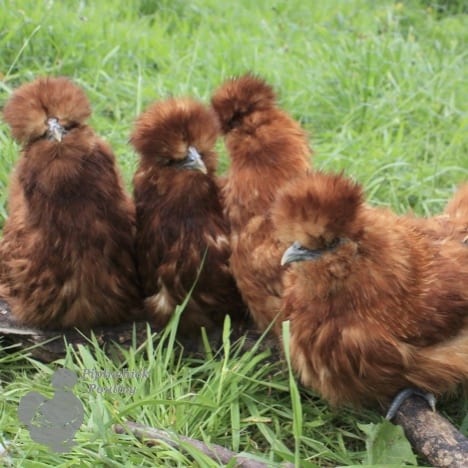
What Feeder Do I Need For Silkies?
Silkies are gentle, fluffy and gloriously odd in the best possible way. They can be wonderful pet chickens, but their soft feathering and slightly less athletic approach to life means they often appreciate an easy, practical feeding setup.
For Silkies, choose a feeder that is stable, low enough to access comfortably and easy to keep clean. Feeders with feet can be a good option as they help lift the feed away from bedding and mud, while still being accessible.
A covered feeder may also help if your Silkies are in a run where rain can blow in. Damp feed is not ideal, and Silkies do best in a clean, dry, well-managed setup.
Best choice for Silkies: plastic poultry feeder with feet, small hopper feeder or covered poultry feeder.
Best for: pet Silkies, gentle flocks and smaller back garden setups.
What Feeder Do I Need For Hybrid Laying Hens?
Hybrid hens, such as Lohmann Browns and other popular laying types, are usually busy, practical, food-focused little workers. They are often confident eaters and can get through feed steadily, especially when laying well.
For a small flock of hybrid hens, a 2.5kg or 4kg poultry feeder may be a good choice, depending on how many hens you have and how often you want to top it up. A top-loading poultry feeder can make daily feeding quicker because you can refill it without too much fiddling.
If you have a larger flock, or you want to reduce how often you refill the feeder, a hopper poultry feeder or larger hanging feeder may be more practical.
Best choice for hybrid hens: 2.5kg or 4kg plastic poultry feeder, top-loading feeder, hopper feeder or hanging feeder.
Best for: reliable laying hens, active flocks and everyday feeding.
What Feeder Do I Need For Large Pure Breed Chickens?
Large pure breed chickens need a feeder that gives them enough room to eat comfortably. Bigger birds may struggle with very small feeders, and if the feeding space is too limited, the bossier hens may hog the food while quieter birds wait their turn.
For larger chickens, a sturdy metal poultry feeder, galvanised feeder or large hopper feeder can be a sensible choice. These tend to be more robust and suitable for bigger birds or larger flocks.
A hanging feeder can also work well if it is positioned at the right height. Ideally, your hens should be able to reach the feed comfortably without scratching it all over the floor. As a general guide, positioning the feeder around back height can help reduce mess, but always check that every bird in the flock can feed easily.
Best choice for large chickens: metal poultry feeder, galvanised feeder with hat, large hopper feeder or hanging feeder.
Best for: larger hens, pure breeds and bigger flocks.
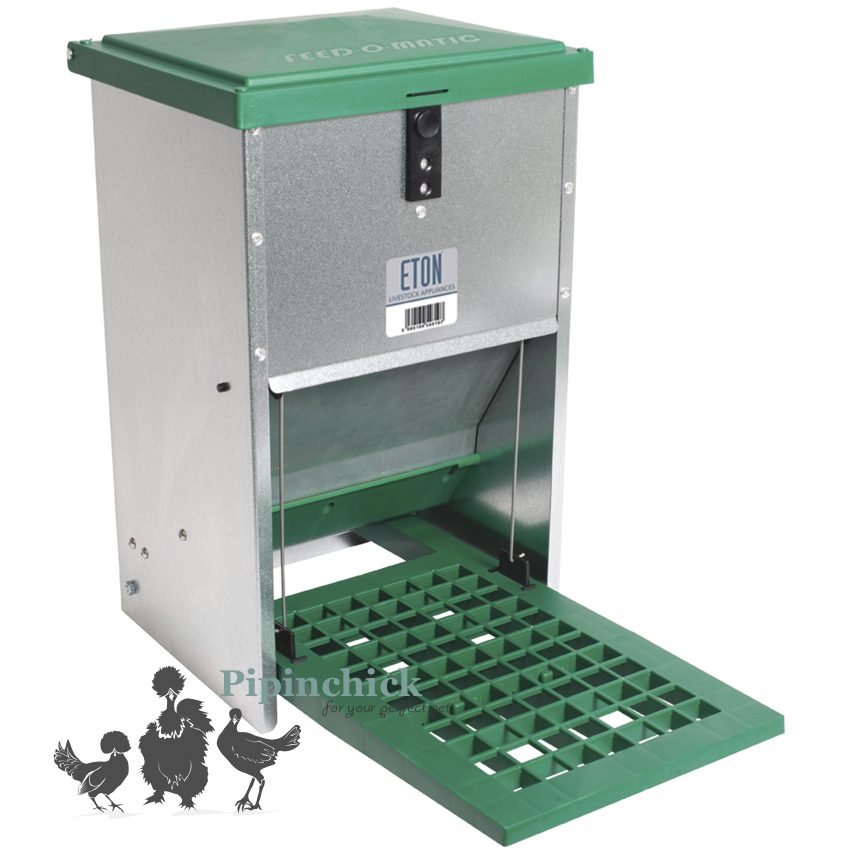
What Is A Treadle Feeder?
A treadle feeder is a clever feeder that opens when a chicken steps onto the treadle plate. Once the hen steps off, the feeder closes again.
This type of chicken feeder can be especially useful if you are trying to deter wild birds, rodents or other unwanted visitors from helping themselves to your chicken feed. It can also help keep food protected from the weather.
There is usually a learning curve, so your hens may need a little time to work out how to use it. Some chickens are bold and will master it quickly. Others will look at it suspiciously, as if you have installed a tiny chicken gym without warning.
Best choice for reducing unwanted visitors: treadle feeder.
Best for: established hens, outdoor feeding areas and keepers wanting to reduce wasted feed.
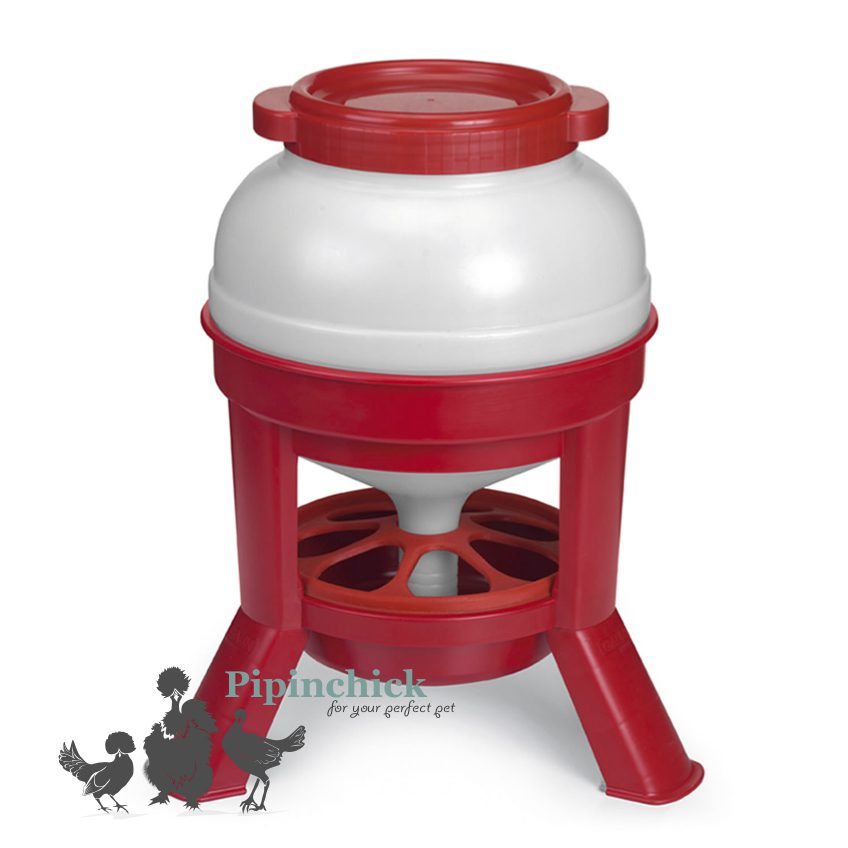
What Is A Hopper Feeder?
A hopper feeder stores a larger amount of feed and releases it gradually as your hens eat. This can be a good option if you have several chickens or want to avoid topping up the feeder constantly.
Hopper poultry feeders are practical for busy chicken keepers because they hold more feed than small feeders. They can work well for medium to larger flocks, as long as the feeding access is suitable for the number and size of birds.
Best choice for larger flocks: hopper poultry feeder.
Best for: groups of hens, larger runs and keepers who want a practical feeding setup.
Are Plastic Or Metal Chicken Feeders Better?
Both plastic and metal chicken feeders can be useful. The best option depends on your flock and setup.
Plastic poultry feeders are lightweight, easy to clean and often affordable. They are a good choice for small back garden flocks, bantams, Silkies and general everyday use. Pipinchick also stocks eco-friendlier bio plastic and recycled plastic poultry feeders, which are a nice option if you want something practical with a more considered material choice.
Metal chicken feeders are usually heavier and more robust. They can be useful for larger birds, bigger flocks or outdoor areas where you want something sturdy. Galvanised poultry feeders with a hat can also help protect feed from rain, making them useful in more exposed runs.
Choose plastic if you want something lightweight, easy to move and simple to clean.
Choose metal if you want something sturdy, long-lasting and suitable for larger birds or bigger flocks.
What About Treat Feeders?
Not all feeders are for daily pellets or mash. Some are designed for enrichment, treats or boredom-busting.
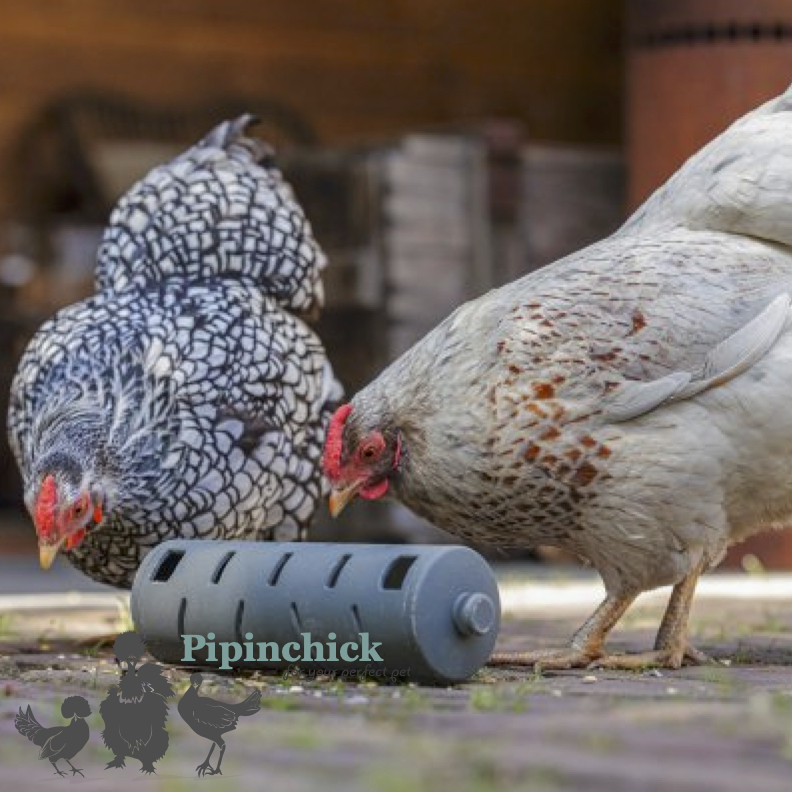
A caddy feeder for chicken pecker balls is a handy little addition if you want to give your hens something fun to peck at. Treat feeders can help keep chickens occupied, especially during wetter months when they may spend more time in their run.
They should not replace a proper poultry feeder for their main food, but they can be a lovely extra for keeping your flock entertained.
Best choice for treats: caddy feeder for pecker balls.
Best for: enrichment, boredom-busting and happy hen entertainment.
How Many Chicken Feeders Do I Need?
For a small flock, one suitable feeder may be enough. However, if you have a mixed flock, nervous hens, young birds or a bossy top hen who thinks she owns the entire dining room, it can be useful to have more than one feeding point.
Multiple feeders can help reduce squabbles and make sure quieter hens get a fair chance to eat. This is especially useful if you keep different sizes of chicken together, such as bantams with larger hybrids, or Silkies with more confident laying hens.
As a simple guide:
- For two to four hens, one suitable feeder is usually fine
- For five to eight hens, consider a larger feeder or two feeding points
- For mixed flocks, two smaller feeders may work better than one large feeder
- For chicks, always use chick-appropriate feeders
- For treats, use a separate treat feeder rather than mixing extras into the main feed
The goal is calm feeding, not a breakfast stampede.
Where Should I Put My Chicken Feeder?
Place your chicken feeder somewhere dry, sheltered and easy for your hens to access. If possible, keep it under cover to stop food getting wet. Soggy feed can spoil quickly and may attract unwanted visitors.
Avoid placing feeders directly under perches, unless you want your hens to add decorations that nobody asked for.
If using a hanging feeder, make sure it is secure and set at a comfortable height. If using a feeder with feet, place it on level ground so it does not wobble or tip.
Keeping feed clean is part of a wider routine — see our tips on how to keep your chicken coop clean for the full picture.
A good feeding spot should be:
- Dry
- Sheltered
- Easy to clean around
- Away from droppings
- Accessible to every hen
- Protected from wild birds where possible
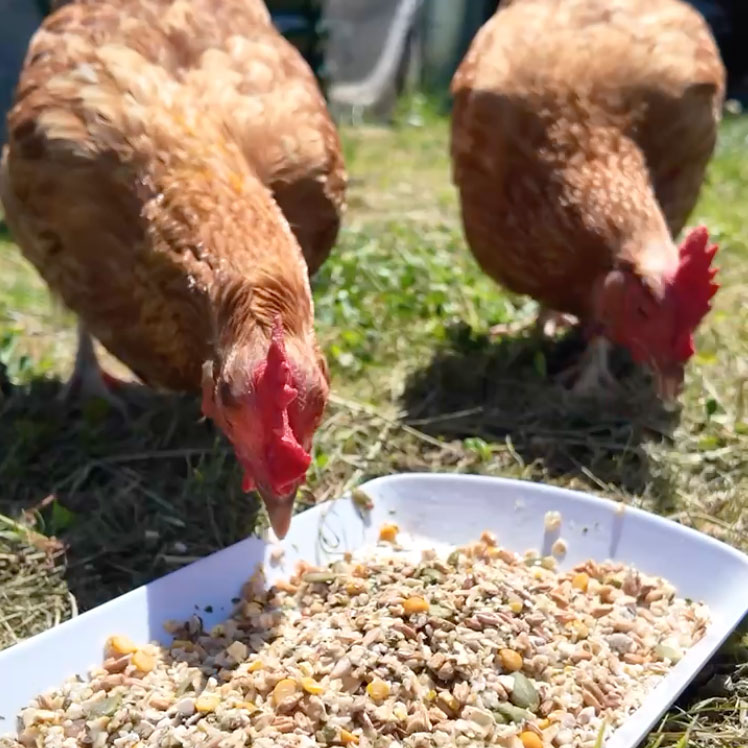
Find The Right Chicken Feeder For Your Flock
So, what chicken feeder do you need? The answer depends on who you are feeding.
Tiny chicks need chick feeders. Bantams and Silkies need something accessible and stable. Hybrid laying hens do well with practical plastic poultry feeders, top-loading feeders or hopper feeders. Large pure breeds may need a sturdier metal or galvanised hen feeder. Larger flocks may benefit from hanging feeders, hopper feeders or more than one feeding point.
At Pipinchick, you will find a wide range of poultry feeders for sale, including plastic chicken feeders, metal chicken feeders, chick feeders, treadle feeders, hopper feeders, hanging feeders, recycled plastic feeders and feeders with feet. Whether you are feeding a handful of hens or a full flock of feathered foodies, there is a feeder to suit your setup.
Because a happy flock starts with good food, clean water and a feeder that does not end up upside down in the mud by lunchtime.