
Children and Chickens? Why Your Family Needs a Fluffy Backyard Addition

If you’ve ever looked out at your garden and thought, “We need more life out here,” you’ve probably considered a family pet. But while dogs need endless walks and cats can be aloof, there is a rising trend of families turning to a different kind of backyard companion: pet chickens.

Bringing poultry into family life might sound unconventional at first, but ask anyone who keeps them, and they’ll tell you it’s one of the most rewarding things you can do for your children.

If you’re on the fence about whether children and chickens mix, let’s hatch the details.
The Ultimate Lesson in Responsibility (Without the Heavy Lifting)

Teaching kids how to care for another living creature is a priceless milestone. Unlike a dog or a cat—where a missed feeding or a forgotten chore can lead to major household stress—chickens have a straightforward, predictable routine that children can easily master with a little supervision.

  • Collecting breakfast: What motivates a child faster than getting to harvest their own warm, fresh eggs for weekend pancakes?

  • Simple chores: Filling up waterers, doling out treats like mealworms, and scattering morning feed are tasks that even younger kids can take ownership of.
Empathy, Science, and Nature Up Close

In a digital world dominated by screens, chickens offer a brilliant anchor to the real, natural world. Watching a chick grow, understanding how a flock establishes a social structure (the “pecking order”), and seeing firsthand where food comes from provides an organic education that no textbook can match.

Children naturally develop a deep sense of empathy when caring for birds. They learn to read body language—recognizing when a hen is happy, startled, or just wanting some quiet time.
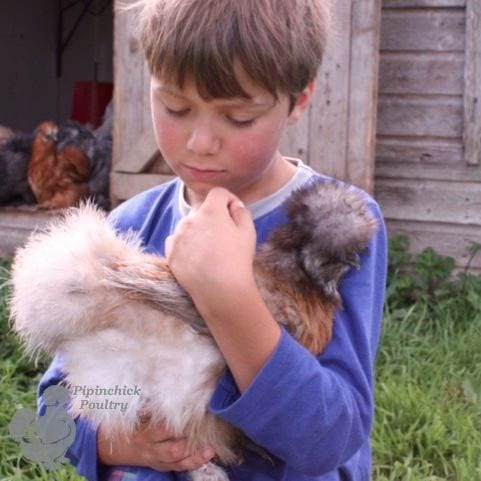
Not All Chickens Are Created Equal (Enter: The Silkie)

If you have small children, the type of chicken you choose matters immensely. Some commercial breeds can be skittish, highly energetic, or a bit nippy.

This is where breeds like Silkies completely change the game.

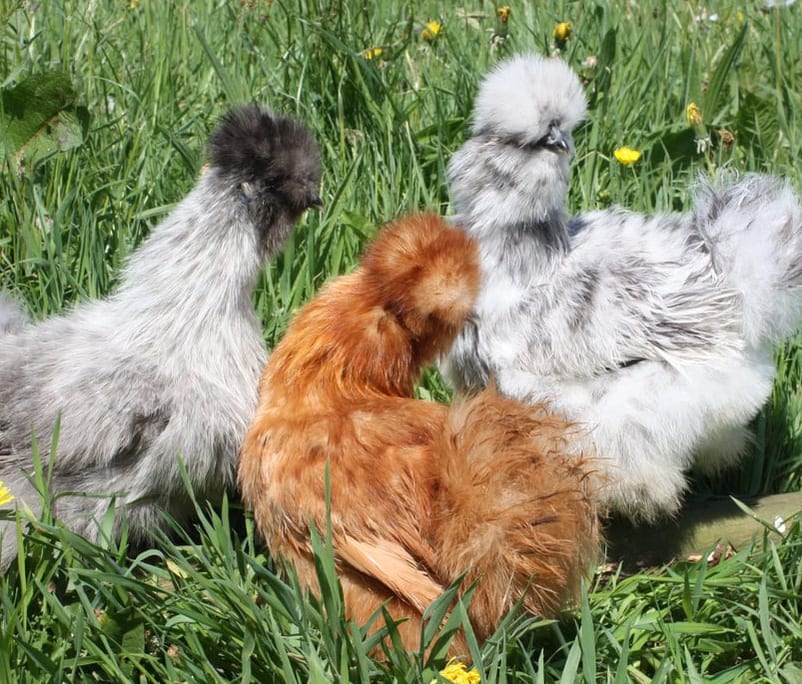
Often called the “lap dogs of the chicken world,” Silkies are practically custom-made for families:

  • Unmatched Cuddliness: Instead of standard stiff feathers, Silkies have soft, fluffy plumage that feels remarkably like fur or satin. They look like walking cotton balls and love gentle handling.

  • Docile and Calm: Silkies are famously gentle, slow-moving, and easy to catch and hold, meaning fewer scratched hands and a lot more comforting snuggles.

  • Garden Friendly: Unlike heavy foragers that will aggressively rip up your pristine lawn or flower beds, Silkies are much easier on your garden landscaping.

Because they are so docile, they don’t intimidate younger children, making them an ideal “first pet”.

Top Tips for Success: Kids + Chickens

If you’re ready to take the plunge, keep these golden rules in mind to ensure a harmonious household:

  • Supervise Early Interactions: Teach children how to hold a chicken properly—supporting their body and wings rather than squeezing or picking them up by the neck or legs.

  • Establish Hygiene Habits: Handwashing is non-negotiable! Make it a fun, mandatory rule that hands get washed thoroughly with soap and water immediately after chicken cuddles or coop cleaning.

  • Keep a Balanced Flock: Chickens are social flock animals. If you’re bringing them home for the kids, always aim for at least a couple of friendly companions (like a pair of Silkies) so they aren’t lonely.

Why not try one of our Pre-Approved Flocks?

Ready to Start Your Family Flock?

Keeping chickens brings an unexpected rhythm of joy, laughter, and grounding to family life. Whether you’re looking for a gentle, fluffy house-pet or a few sweet hens to potter around the lawn with your kids, we’re here to help you get started on the right foot.

Check out our full range of chickens for sale here.

Top 5 Pet Chickens For Friendliness

  1. Silkie Hens
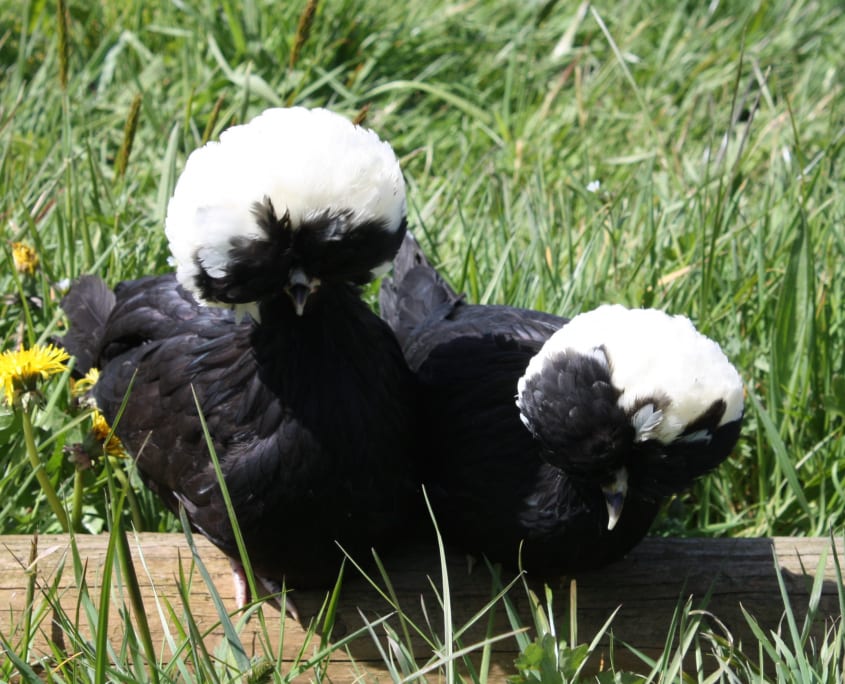
  2. Polish Hens
  3. Cochin Hens
  4. Bantam Faverolles Hens
  5. Pekin Bantam Hens

Keeping chickens is such a fun, wholesome, rewarding experience, and as any chicken owner will tell you, there is nothing quite like enjoying fresh eggs straight from your own hens. If you’ve ever cracked open an egg from your own flock and noticed a deep golden yolk or a sturdy, well-formed shell, you’ll know there’s something special about eggs that come from home-reared hens. When chickens are happy, relaxed, and free to live as nature intended, they don’t just live their best lives - they lay better, taster eggs that are actually healthier for you, too.

At Pipinchick, we know that keeping hens isn’t just about collecting eggs; it’s about ensuring they lead enriched, contented lives. Whether you’re new to chicken keeping or a seasoned hen enthusiast, understanding how happiness affects egg quality can make a world of difference.

The Link Between Happy Hens and Better Eggs

Hens are naturally inquisitive, social, and active creatures. Given the right environment, they will spend their days scratching, pecking, dust bathing, and foraging—instinctive behaviours that keep them physically and mentally well.

When a hen is happy, her body functions as it should. She digests her food efficiently, absorbs nutrients properly, and maintains strong bones and a well-balanced immune system. All of this contributes to better egg production, both in terms of quantity and quality.

On the other hand, stress, poor diet, and lack of space can have the opposite effect. A hen under stress may lay fewer eggs, experience shell deformities, or even stop laying altogether.

The Role of Foraging in Hen Happiness

One of the simplest ways to keep your hens happy is to encourage natural foraging. Given the chance, chickens will spend hours exploring, scratching at the ground, and hunting for tasty morsels. This isn’t just fun for them—it’s vital for their wellbeing.

Foraging offers several key benefits:

  • A Natural Diet – When hens forage, they consume a variety of insects, seeds, grasses, and other natural foods. This enhances their diet with essential proteins, vitamins, and minerals, all of which contribute to strong eggshells and nutrient-rich yolks.
  • Mental Stimulation – A bored hen is an unhappy hen. Foraging keeps chickens engaged and curious, preventing stress-related behaviours like feather pecking or excessive vocalisation.
  • Exercise and Muscle Strength – Scratching, pecking, and moving around freely keeps hens active, supporting strong muscles and bone health—key factors in producing high-quality eggs.

If your hens don’t have access to large outdoor areas, you can still encourage foraging by scattering treats like mealworms, grains, or leafy greens around their run. Hiding food under straw or in hanging baskets also stimulates natural behaviours and keeps them entertained.

Read more about why hens love to forage here with plenty more tips on how to help them.

A Stress-Free Environment for Optimal Egg Production

Stress has a direct impact on a hen’s ability to lay eggs. A calm and comfortable environment ensures that your birds stay productive and healthy. Here are a few ways to reduce stress in your flock:

  • Adequate Space – Overcrowding can lead to competition, bullying, and anxiety among hens. Ensure they have enough room to move freely, with separate areas for feeding, roosting, and laying eggs.
  • Safe and Secure Housing – Hens feel safer when they have a cosy, sheltered space to retreat to at night. A well-built chicken coop protects them from predators and harsh weather, allowing them to roost undisturbed.
  • Consistent Routine – Chickens thrive on routine. Keeping feeding, cleaning, and egg collection times consistent helps them feel secure and reduces unnecessary stress.

Diet: The Foundation of Egg Quality

What your hens eat directly affects the eggs they produce. A balanced diet rich in essential nutrients supports healthy egg formation and ensures strong shells and vibrant yolks.

  • Calcium – Essential for shell strength. Provide a constant source of oyster shell grit or crushed eggshells to keep calcium levels high.
  • Protein – Vital for feather growth and egg production. Chicken feed typically contains the right amount of protein, but supplementing with mealworms, sunflower seeds, or peas can be beneficial.
  • Fresh Greens – Leafy greens, herbs, and vegetable scraps provide vitamins and minerals while keeping hens happily occupied.
  • Clean Water – Always ensure fresh, clean water is available. Dehydration can quickly impact egg production and overall health.

Find out more about the benefits of giving your chicken live feed.

Spotting the Signs of a Happy Hen

How can you tell if your hens are truly content? Look out for these signs of happiness:

  • Bright, Alert Eyes – Healthy, happy hens are curious and engaged with their surroundings.
  • Regular Egg Laying – A happy hen will lay consistently with eggs that have strong shells and richly coloured yolks.
  • Active Foraging and Scratching – If your hens spend their days busily pecking at the ground, they’re in their element.
  • Soft, Rhythmic Clucking – Contented hens make gentle, reassuring sounds rather than loud, distressed squawking.
  • Smooth, Well-Groomed Feathers – A relaxed hen will take time to preen, keeping her feathers clean and well-maintained.

The Joy of Raising Happy Hens

Keeping hens is more than just a hobby—it’s a way to connect with nature, embrace sustainable living, and enjoy fresh, delicious eggs. When you focus on their wellbeing, you’ll notice the difference not just in their behaviour but in the quality of the eggs they produce.

At Pipinchick, we celebrate the joy of chicken keeping and the simple pleasure of raising a happy, healthy flock. By providing a natural environment, a nutritious diet, and plenty of opportunities for foraging, you’ll be rewarded with happier hens—and the best-tasting eggs you’ve ever had. 

Our live chickens are for sale online, and Pipnchick are the UK’s number one most trusted pet poultry provider. We deliver happy, healthy chickens safely to your door. All our chickens are reared lovingly by us on our farm in the beautiful Chew Valley, just outside Bristol.