


Choosing the right chicken feeder may sound simple enough, until you realise there are chick feeders, hen feeders, poultry feeders with feet, hanging feeders, metal feeders, plastic feeders, treadle feeders, hopper feeders and little caddy feeders for tasty pecker balls.
Suddenly, feeding your flock feels less like scattering a bit of food and more like organising a five-star buffet for feathered royalty.
But do not worry. Choosing the best chicken feeder does not have to be complicated. The right feeder simply needs to suit your flock size, your hens’ age, your garden setup and the type of feed you are using. Get it right, and you will keep food cleaner, reduce waste, stop feed getting soggy and make daily chicken care much easier.
A feeder is just one part of your setup — if you're still getting sorted, our guide on what you need to keep chickens covers the essentials.
So, whether you are feeding tiny chicks, a few bantams, a busy flock of laying hens or some big, beautiful pure breeds, here is Pipinchick’s handy guide to choosing the right poultry feeder.
Why Does The Right Chicken Feeder Matter?
A good chicken feeder does more than hold food. It helps keep your hens healthy, happy and well fed without turning your chicken run into a crumble-covered chaos zone.
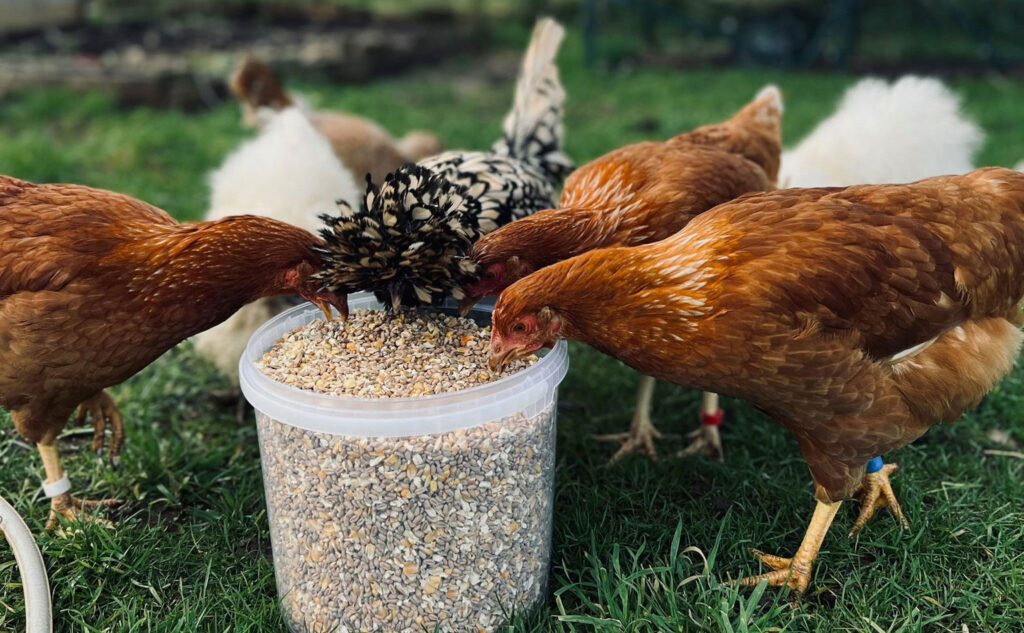
Chickens are enthusiastic eaters. They scratch, flick, peck, paddle, tip and investigate everything. Give them an open bowl of feed and they will often hop in it, kick half of it across the floor, then look at you as if the mysterious mess had nothing to do with them.
The right hen feeder can help:
- Keep feed cleaner
- Reduce waste
- Stop food getting damp in the rain
- Make feeding easier for you
- Give all hens better access to food
- Discourage wild birds and unwanted visitors
- Suit different ages, breeds and flock sizes
It is not about being fancy. It is about making life easier for you and better for your chickens.
What Feeder Do I Need For Chicks?
If you are raising chicks, you need a feeder designed specifically for little beaks and little feet.
Chicks need easy access to food, but they also need a feeder that helps stop them climbing into it, scratching bedding through it or tipping it over. A chick tray feeder or bottle chick feeder is usually a good starting point because it keeps food accessible at chick height.
A chick feeder is designed to let several chicks feed at once without them standing in the food quite as easily as they would with an open dish. This helps keep the feed fresher and reduces waste.
Best choice for chicks: chick tray feeder or bottle chick feeder.
Best for: young chicks, growers and smaller birds that need easy access to food.
Pipinchick stocks options such as the Eton Bottle Chick Feeder and Eton Plastic Chick Tray Feeder, both suited to smaller, younger birds.
What Feeder Do I Need For Bantams?
Bantams may be small, but they are not short on personality. These little chickens often do best with a lightweight, accessible feeder that is not too tall or awkward for them to use.
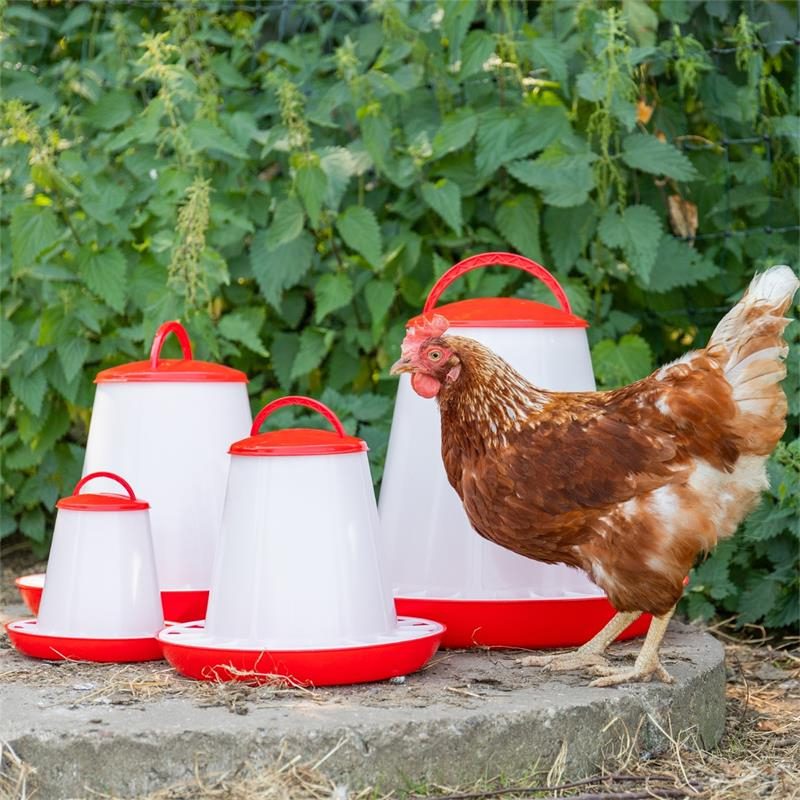
A small plastic poultry feeder can work well for bantams, especially if you only have a small flock. Feeders with feet can also be useful because they raise the food slightly off the ground, helping keep it cleaner without making it too high for smaller birds.
For bantams, avoid anything that feels oversized or difficult to access. They need to be able to feed comfortably without stretching, scrambling or getting pushed aside by larger hens if they are part of a mixed flock.
Best choice for bantams: small plastic poultry feeder, recycled plastic feeder with feet, or a 1kg to 2.5kg feeder.
Best for: bantams, smaller hens and compact back garden flocks.
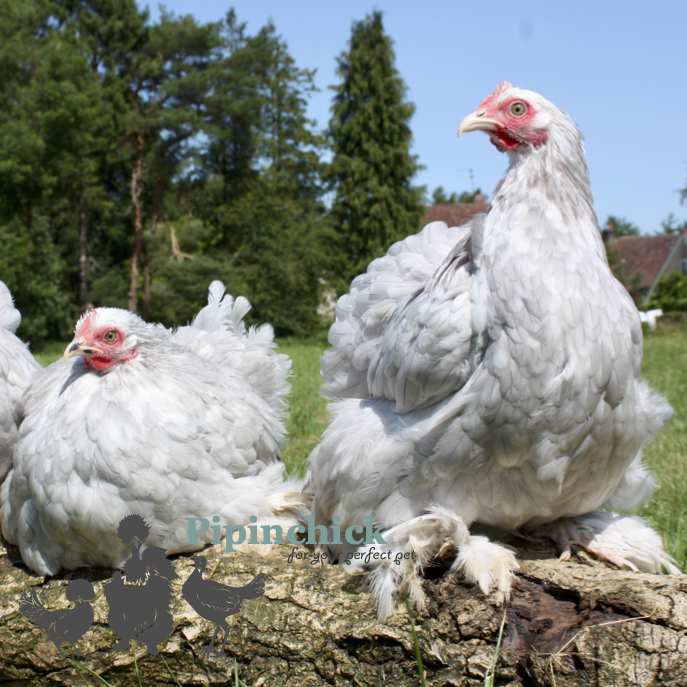
What Feeder Do I Need For Silkies?
Silkies are gentle, fluffy and gloriously odd in the best possible way. They can be wonderful pet chickens, but their soft feathering and slightly less athletic approach to life means they often appreciate an easy, practical feeding setup.
For Silkies, choose a feeder that is stable, low enough to access comfortably and easy to keep clean. Feeders with feet can be a good option as they help lift the feed away from bedding and mud, while still being accessible.
A covered feeder may also help if your Silkies are in a run where rain can blow in. Damp feed is not ideal, and Silkies do best in a clean, dry, well-managed setup.
Best choice for Silkies: plastic poultry feeder with feet, small hopper feeder or covered poultry feeder.
Best for: pet Silkies, gentle flocks and smaller back garden setups.
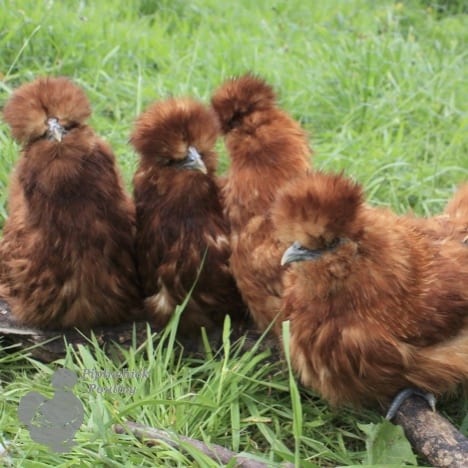
What Feeder Do I Need For Hybrid Laying Hens?
Hybrid hens, such as Lohmann Browns and other popular laying types, are usually busy, practical, food-focused little workers. They are often confident eaters and can get through feed steadily, especially when laying well.
For a small flock of hybrid hens, a 2.5kg or 4kg poultry feeder may be a good choice, depending on how many hens you have and how often you want to top it up. A top-loading poultry feeder can make daily feeding quicker because you can refill it without too much fiddling.
If you have a larger flock, or you want to reduce how often you refill the feeder, a hopper poultry feeder or larger hanging feeder may be more practical.
Best choice for hybrid hens: 2.5kg or 4kg plastic poultry feeder, top-loading feeder, hopper feeder or hanging feeder.
Best for: reliable laying hens, active flocks and everyday feeding.
What Feeder Do I Need For Large Pure Breed Chickens?
Large pure breed chickens need a feeder that gives them enough room to eat comfortably. Bigger birds may struggle with very small feeders, and if the feeding space is too limited, the bossier hens may hog the food while quieter birds wait their turn.
For larger chickens, a sturdy metal poultry feeder, galvanised feeder or large hopper feeder can be a sensible choice. These tend to be more robust and suitable for bigger birds or larger flocks.
A hanging feeder can also work well if it is positioned at the right height. Ideally, your hens should be able to reach the feed comfortably without scratching it all over the floor. As a general guide, positioning the feeder around back height can help reduce mess, but always check that every bird in the flock can feed easily.
Best choice for large chickens: metal poultry feeder, galvanised feeder with hat, large hopper feeder or hanging feeder.
Best for: larger hens, pure breeds and bigger flocks.
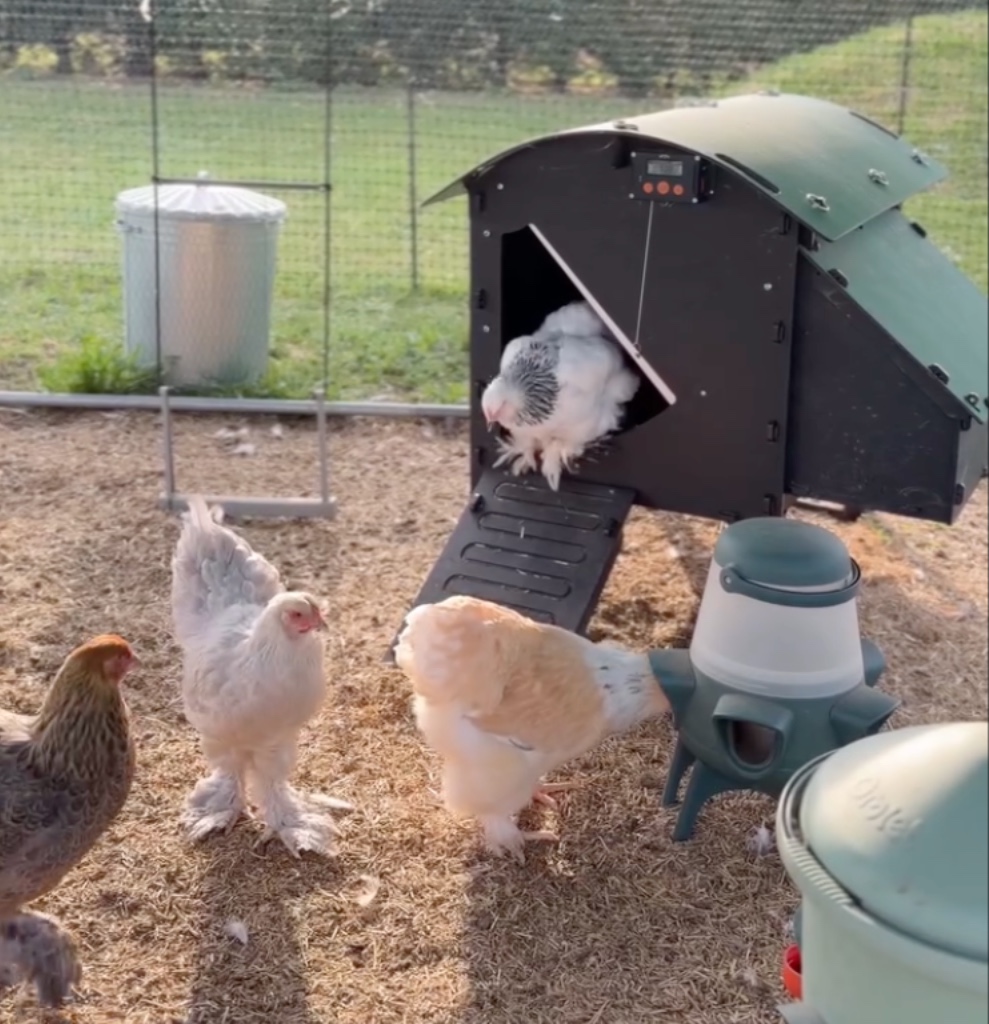
What Is A Treadle Feeder?
A treadle feeder is a clever feeder that opens when a chicken steps onto the treadle plate. Once the hen steps off, the feeder closes again.
This type of chicken feeder can be especially useful if you are trying to deter wild birds, rodents or other unwanted visitors from helping themselves to your chicken feed. It can also help keep food protected from the weather.
There is usually a learning curve, so your hens may need a little time to work out how to use it. Some chickens are bold and will master it quickly. Others will look at it suspiciously, as if you have installed a tiny chicken gym without warning.
Best choice for reducing unwanted visitors: treadle feeder.
Best for: established hens, outdoor feeding areas and keepers wanting to reduce wasted feed.
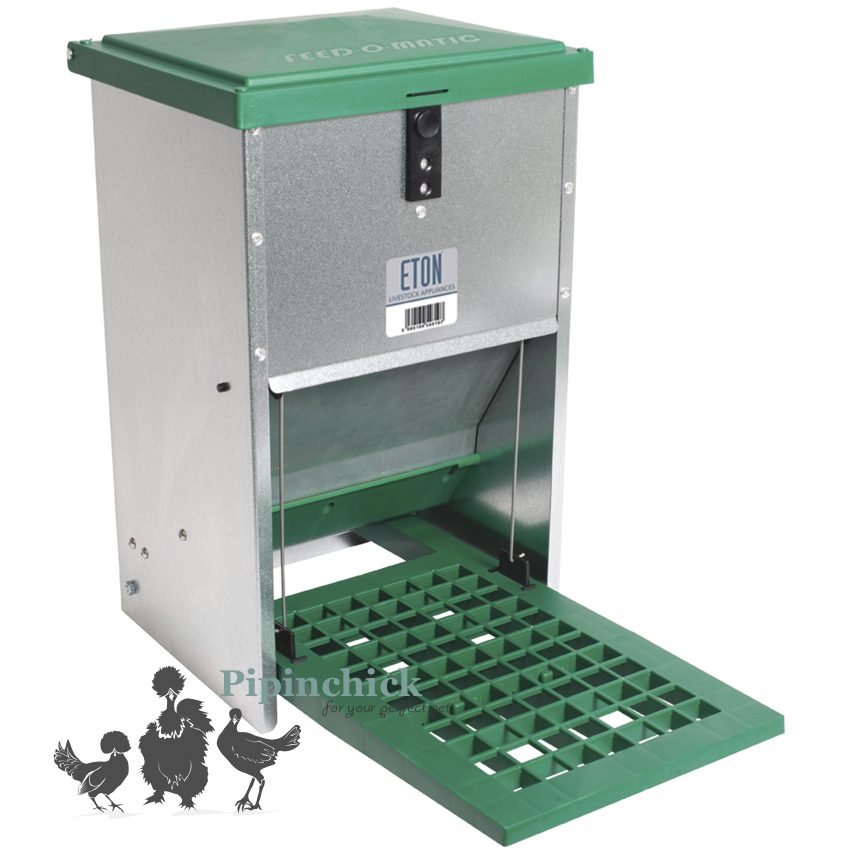
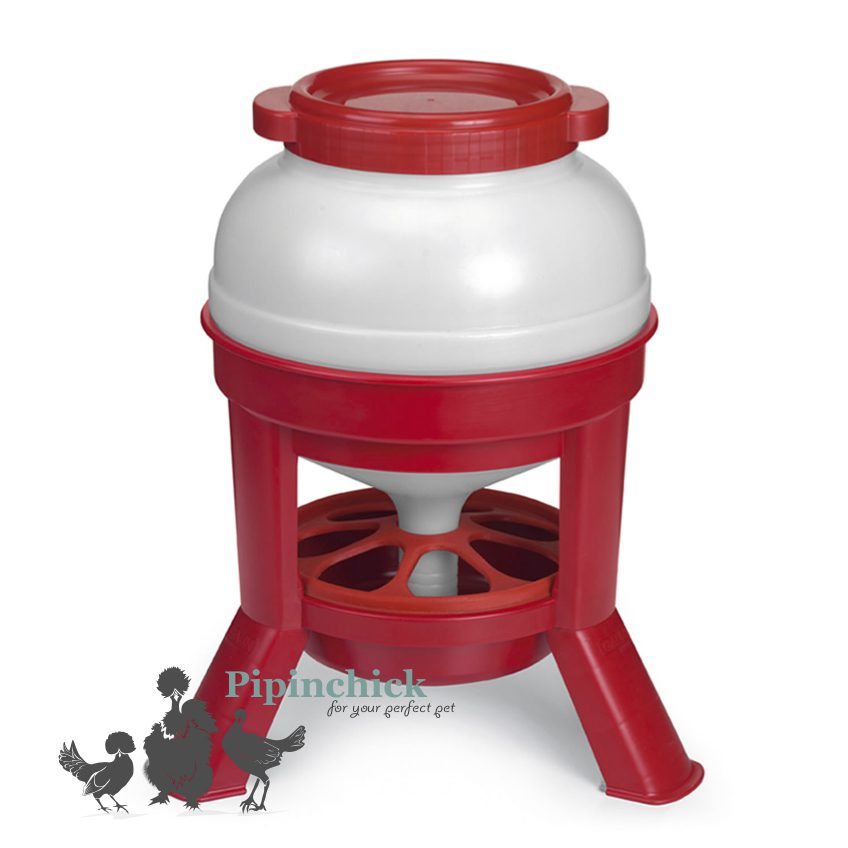
What Is A Hopper Feeder?
A hopper feeder stores a larger amount of feed and releases it gradually as your hens eat. This can be a good option if you have several chickens or want to avoid topping up the feeder constantly.
Hopper poultry feeders are practical for busy chicken keepers because they hold more feed than small feeders. They can work well for medium to larger flocks, as long as the feeding access is suitable for the number and size of birds.
Best choice for larger flocks: hopper poultry feeder.
Best for: groups of hens, larger runs and keepers who want a practical feeding setup.
Are Plastic Or Metal Chicken Feeders Better?
Both plastic and metal chicken feeders can be useful. The best option depends on your flock and setup.
Plastic poultry feeders are lightweight, easy to clean and often affordable. They are a good choice for small back garden flocks, bantams, Silkies and general everyday use. Pipinchick also stocks eco-friendlier bio plastic and recycled plastic poultry feeders, which are a nice option if you want something practical with a more considered material choice.
Metal chicken feeders are usually heavier and more robust. They can be useful for larger birds, bigger flocks or outdoor areas where you want something sturdy. Galvanised poultry feeders with a hat can also help protect feed from rain, making them useful in more exposed runs.
Choose plastic if you want something lightweight, easy to move and simple to clean.
Choose metal if you want something sturdy, long-lasting and suitable for larger birds or bigger flocks.
What About Treat Feeders?
Not all feeders are for daily pellets or mash. Some are designed for enrichment, treats or boredom-busting.
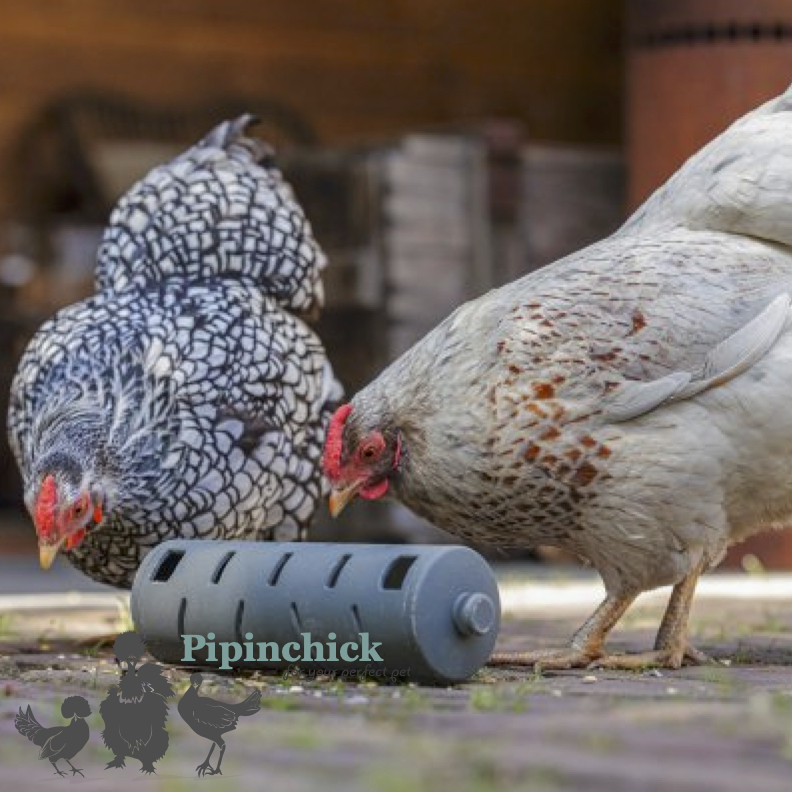
A caddy feeder for chicken pecker balls is a handy little addition if you want to give your hens something fun to peck at. Treat feeders can help keep chickens occupied, especially during wetter months when they may spend more time in their run.
They should not replace a proper poultry feeder for their main food, but they can be a lovely extra for keeping your flock entertained.
Best choice for treats: caddy feeder for pecker balls.
Best for: enrichment, boredom-busting and happy hen entertainment.
How Many Chicken Feeders Do I Need?
For a small flock, one suitable feeder may be enough. However, if you have a mixed flock, nervous hens, young birds or a bossy top hen who thinks she owns the entire dining room, it can be useful to have more than one feeding point.
Multiple feeders can help reduce squabbles and make sure quieter hens get a fair chance to eat. This is especially useful if you keep different sizes of chicken together, such as bantams with larger hybrids, or Silkies with more confident laying hens.
As a simple guide:
- For two to four hens, one suitable feeder is usually fine
- For five to eight hens, consider a larger feeder or two feeding points
- For mixed flocks, two smaller feeders may work better than one large feeder
- For chicks, always use chick-appropriate feeders
- For treats, use a separate treat feeder rather than mixing extras into the main feed
The goal is calm feeding, not a breakfast stampede.
Where Should I Put My Chicken Feeder?
Place your chicken feeder somewhere dry, sheltered and easy for your hens to access. If possible, keep it under cover to stop food getting wet. Soggy feed can spoil quickly and may attract unwanted visitors.
Avoid placing feeders directly under perches, unless you want your hens to add decorations that nobody asked for.
If using a hanging feeder, make sure it is secure and set at a comfortable height. If using a feeder with feet, place it on level ground so it does not wobble or tip.
Keeping feed clean is part of a wider routine — see our tips on how to keep your chicken coop clean for the full picture.
A good feeding spot should be:
- Dry
- Sheltered
- Easy to clean around
- Away from droppings
- Accessible to every hen
- Protected from wild birds where possible
Find The Right Chicken Feeder For Your Flock
So, what chicken feeder do you need? The answer depends on who you are feeding.
Tiny chicks need chick feeders. Bantams and Silkies need something accessible and stable. Hybrid laying hens do well with practical plastic poultry feeders, top-loading feeders or hopper feeders. Large pure breeds may need a sturdier metal or galvanised hen feeder. Larger flocks may benefit from hanging feeders, hopper feeders or more than one feeding point.
At Pipinchick, you will find a wide range of poultry feeders for sale, including plastic chicken feeders, metal chicken feeders, chick feeders, treadle feeders, hopper feeders, hanging feeders, recycled plastic feeders and feeders with feet. Whether you are feeding a handful of hens or a full flock of feathered foodies, there is a feeder to suit your setup.
Because a happy flock starts with good food, clean water and a feeder that does not end up upside down in the mud by lunchtime.
We all love giving our hens little treats from the kitchen, but not everything that’s good for us is safe for them. In fact, some foods can make your flock very poorly, and a few are outright poisonous. Knowing what not to feed your chickens is just as important as knowing what they should eat.
Not sure what's safe? Read our companion guide: What Can (and Can't) You Feed Your Chickens?
Dangerous Foods for Chickens
There are some foods that should never make their way into the run because they are actually very poisonous for chickens. These are the key ones to avoid:
- Avocado skins and pits – Avocados contain a toxin called persin. While the flesh is safe in tiny amounts, the skin and pits can cause breathing problems, heart failure and even sudden death in chickens.
- Raw or dried beans – Beans contain lectins, which are highly toxic if they’re not thoroughly cooked. Just a small handful of raw or dried beans can be fatal for your poor pet chicken.
- Raw green potato skins – Potatoes that have turned green contain solanine, a toxin that can affect the nervous system and cause serious illness. Cooked potatoes are safe, but avoid any with green skins.
- Rhubarb and tomato plants – The stems and leaves contain oxalic acid and solanine, both of which are harmful. Stick to ripe tomatoes only.
- Chocolate – A treat for us, but dangerous for chickens. The theobromine in chocolate is toxic to birds, just as it is for dogs.
- Apple seeds – Apples themselves are a healthy snack, but the seeds contain cyanide. A few seeds may not cause instant harm, but if eaten in quantity they can build up to a dangerous dose.
- Apricot pits and leaves – These also contain cyanide compounds and should be kept well away from your birds.
Think your chicken has eaten something toxic? Don't wait for symptoms to appear — contact your vet immediately. For first steps and warning signs, read My Chicken Is Sick, What Do I Do?
Foods That Can Cause Problems
Not all foods are instantly poisonous, but that doesn’t mean they’re good for your hens. These can cause health issues if fed regularly or in large amounts:
- Mouldy food – Whether it’s leftover pellets or old scraps, mould can cause digestive upsets and even infections such as vent gleet. Always feed fresh.
- Citrus fruits – While not toxic, citrus can interfere with calcium absorption and reduce egg production. Best to avoid.
- Onions – Large quantities can damage red blood cells and lead to anaemia.
- Wild mushrooms – Just as some fungi are toxic to humans, many are toxic to chickens. It’s safest to stop your hens eating any wild mushrooms in the garden.
- Lawnmower clippings – Although grass is fine, clippings ferment quickly, producing harmful bacteria and gases in the crop.
Why These Foods Are Harmful to Hens
Chickens have delicate digestive systems compared to us. They don’t produce the same enzymes to break down toxins, and their small bodies mean even tiny amounts of harmful substances can have a big impact. Problems can range from reduced egg laying and poor feather quality to sudden illness and, in the worst cases, death. By avoiding these foods entirely, you remove the risk.
What Can Chickens Eat?
The good news is there are plenty of safe, healthy and tasty options for your flock. A balanced diet should always start with a complete feed, as this ensures your hens get all the essential vitamins and minerals they need for growth, feathering and egg production.
At Pipinchick, we stock a wide range of trusted feeds from brands like Fancy Feed and Crediton Milling. These include:
- Fancy Feed Layers Pellets – a reliable daily feed that supports strong shells and steady laying.
- Crediton Milling Growers Pellets – ideal for young birds finding their feet.
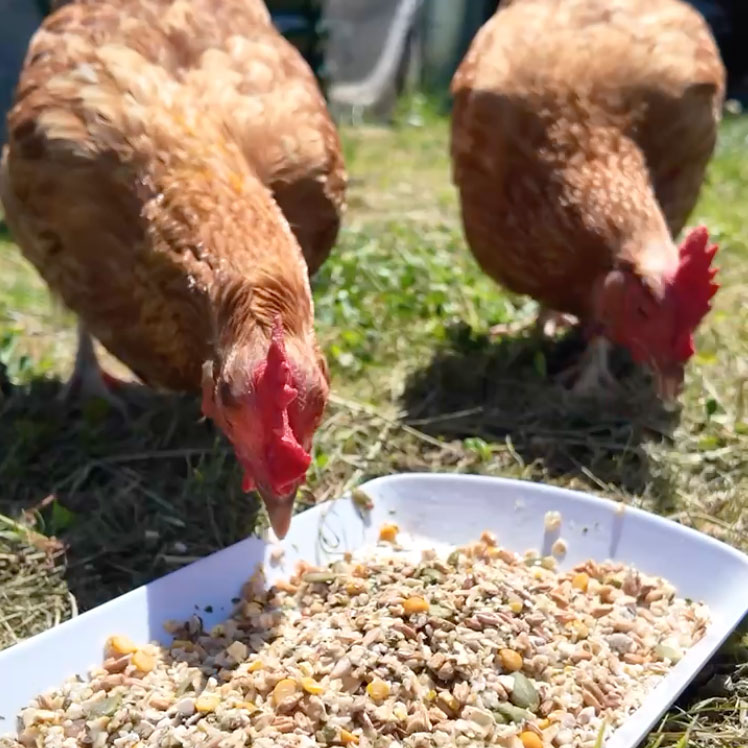
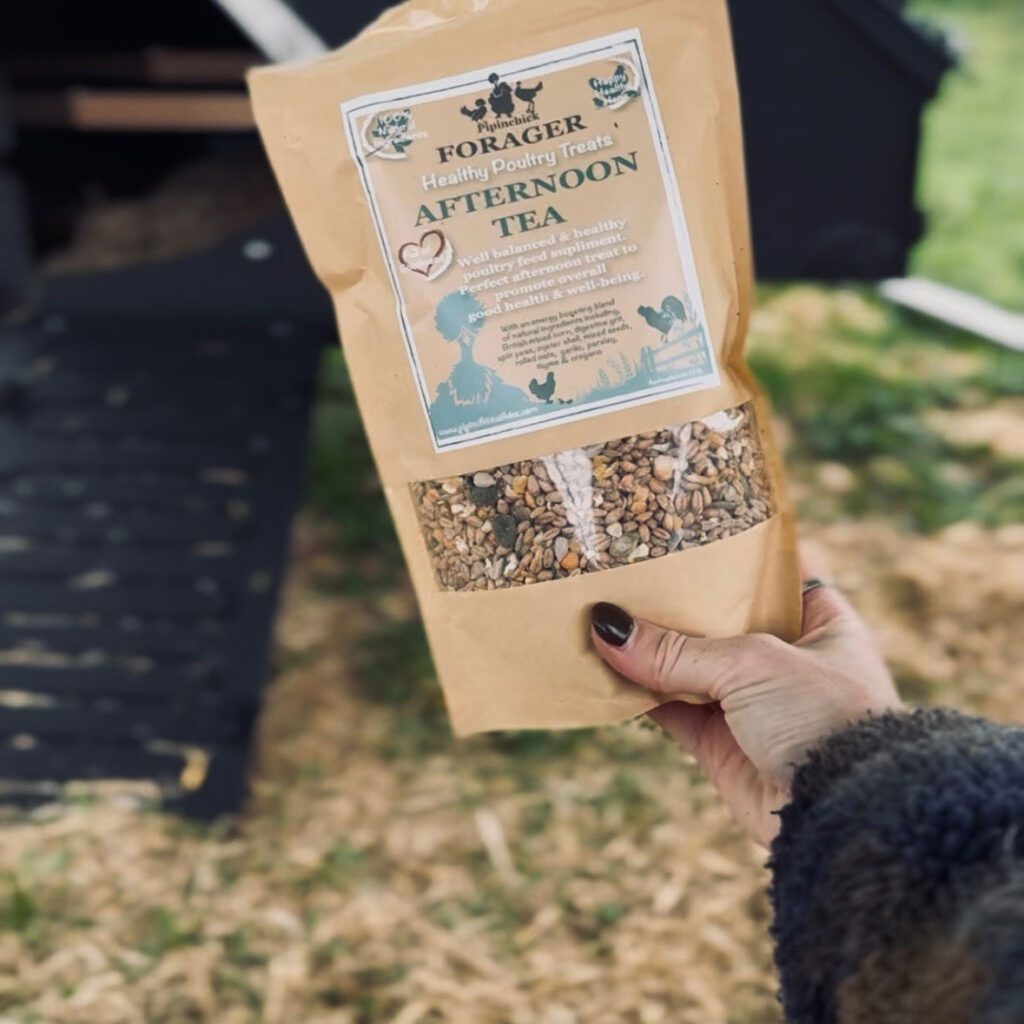
- Fancy Feed Mixed Corn and Supreme Mixed Corn – a perfect afternoon treat to scatter in the run, keeping hens busy and content.
Protein-rich extras like mealworms, calci worms, and morio worms are brilliant for boosting nutrition, especially during moulting. And for a fun way to reduce boredom, our Silvermoor Alfalfa Peck Swingers give your hens something to peck at while adding valuable fibre.
Supplements also play a part in a healthy diet. Our Natures Grub Garlic & Herb Superfood and Healthy Hen Herbs can support immunity and egg quality naturally.
You can find out more about feeding your chickens here.
Tips for Feeding Your Flock Safely
- Introduce new foods slowly, watching for any changes in droppings or behaviour.
- Keep the run tidy. Remove uneaten food at the end of the day to avoid attracting pests or letting it spoil.
- Offer grit or oyster shell to support digestion and calcium levels.
By sticking to safe foods and high-quality feeds, you’ll ensure your flock gets the nutrition they need without the risks.
Find Healthy Feeds and Treats at Pipinchick
Looking after your hens means giving them the right balance of nutrition and care. At Pipinchick, we don’t just raise and sell beautiful, healthy chickens, we also stock everything you need to keep them thriving. From complete feeds and mixed corn to live grubs, natural supplements and boredom-busting treats, our range makes it easy to keep your flock both healthy and happy.
Explore our Chicken Feed and Treats and discover everything from staple feeds to seasonal extras. With the right diet, your hens will reward you with bright eyes, glossy feathers and a basket full of eggs.
Sick Chicken?
Think your chicken has eaten something toxic? Don't wait for symptoms to appear — contact your vet immediately. For first steps and warning signs, read My Chicken Is Sick, What Do I Do?
If you’ve got pet chickens, you’ll know they’re not exactly fussy eaters. In fact, some hens will try to eat just about anything—your plants, your shoelaces... We've even known some of our more cheeky birds to go for our sandwiches when left within beak’s reach!! But just because they can eat something doesn’t mean they should.
So, what’s the best way to keep your feathered friends well-fed, happy, and laying the best eggs? And what should you avoid giving them? Here’s everything you need to know about feeding your chickens the right way, brought to you by the chicken rearers here, Pipinchick; we raise and nurture healthy, happy pet chickens to sell and deliver them safely to your door.
Just as important as knowing the good stuff is knowing what can't you feed chickens — some everyday foods are surprisingly harmful.
What Can You Feed Chickens?
Chickens need a balanced diet to stay healthy, lay strong eggs, and keep those fluffy feathers looking fabulous. A good-quality layer feed should always be their main source of food, but you can supplement their diet with a range of safe, nutritious treats.
Safe and Healthy Treats for Chickens
- Fruits and Vegetables – Most fruits and veggies are great for chickens, just avoid anything mouldy or rotten. Leafy greens, lettuce, apples, berries, carrots, cucumbers, and squashes are all favourites.
- Dried Corn – A brilliant snack, especially in winter, as it's high engird so can help keep them warm. Scatter some around for a bit of fun foraging.
- Live Grubs – Black fly larvae, mealworms, and soldier fly larvae are packed with protein and loved by chickens. A great treat, but remember, it’s illegal in the UK to feed them dried grubs. You can read more about the benefits of feeding your hens live feed here.
- Seeds and Nuts – A good source of fats and nutrients, but offer sparingly—too much can lead to weight gain.
- Dried Woodland Mushrooms – If they’re safe for humans, they’re safe for hens. Chickens love a nibble on these earthy treats.
- Edible Flowers – Marigolds, nasturtiums, roses, and lavender not only brighten up your garden but are also tasty and healthy for your hens.
- Herbs – Oregano, parsley, thyme, rosemary, and lemon balm are all great for boosting hen health. They’re also natural pest repellents, so feel free to pop some in their nesting boxes.
- Porridge (in winter) – Rolled oats mixed with warm water make a lovely evening treat when the temperatures drop. It helps keep them cosy overnight as they burn the energy. Just be mindful of how much you are feeding them, as oats are quite high in fat.
For a longer-lasting treat that keeps hens busy, hang up a block of Alfalfa Peck Swingers — great for fibre and for curbing boredom pecking.
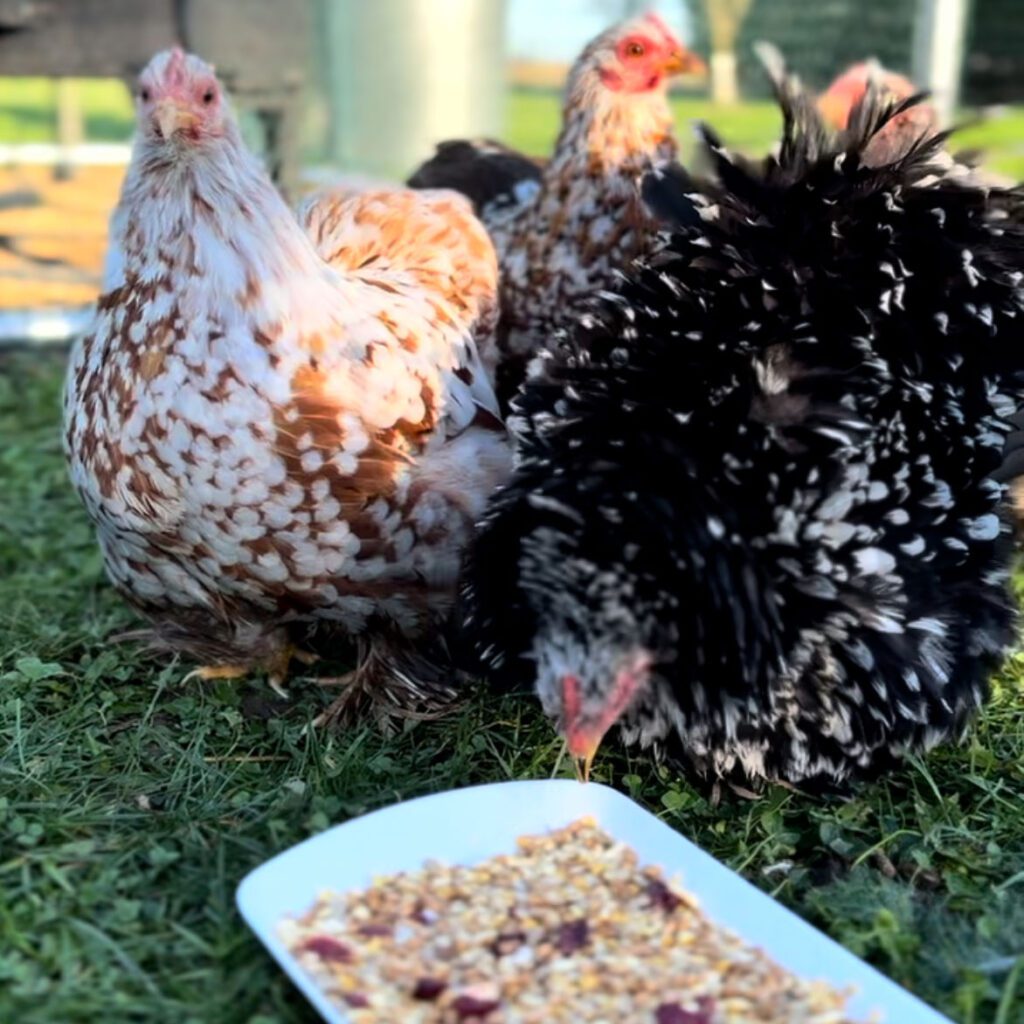
A mix of these natural treats will not only keep your chickens healthy but also entertained. Happy hens love to peck, scratch, and forage—so scattering treats in their run is a great way to encourage natural behaviours.
What Can’t You Feed Chickens?
Not everything is safe for your flock, and some foods can even be harmful. If in doubt, leave it out.
- Kitchen Scraps and Leftovers – It might sound surprising, but in the UK, it’s actually illegal to feed chickens food that has been in your kitchen, including bread, pasta, cooked veg, or even your own homegrown fruit if it has been inside your house. This rule is in place to prevent disease transmission.
- Meat and Dairy – Absolutely not. Chickens maybe omnivores, but feeding them meat or dairy products (like cheese or yoghurt) is against UK regulations and can lead to health issues.
- Raw or Green Potatoes – The skins contain solanine, which is toxic to chickens. Cooked, plain potatoes are fine in small amounts, but raw is best avoided.
- Onions and Garlic – In large quantities, these can cause digestive problems and even affect the taste of their eggs (no one wants onion-flavoured eggs).
- Avocado (Especially the stone and skin) – Contains persin, a toxin that can be harmful to chickens.
- Chocolate and Sugary Foods – Chocolate is toxic to chickens, just like it is for dogs. And sugar is not good for their health either.
- Mouldy or Rotten Food – It might seem like a waste to throw away old food, but mould can produce toxins that are dangerous to chickens. If it’s not fresh, don’t feed it.
- Uncooked Beans – These contain lectins, which can be deadly to chickens if eaten raw. Cooked beans are fine, but really, they’re not the best treat—there are plenty of better options for your chickens.
Keeping Your Hens Happy and Healthy
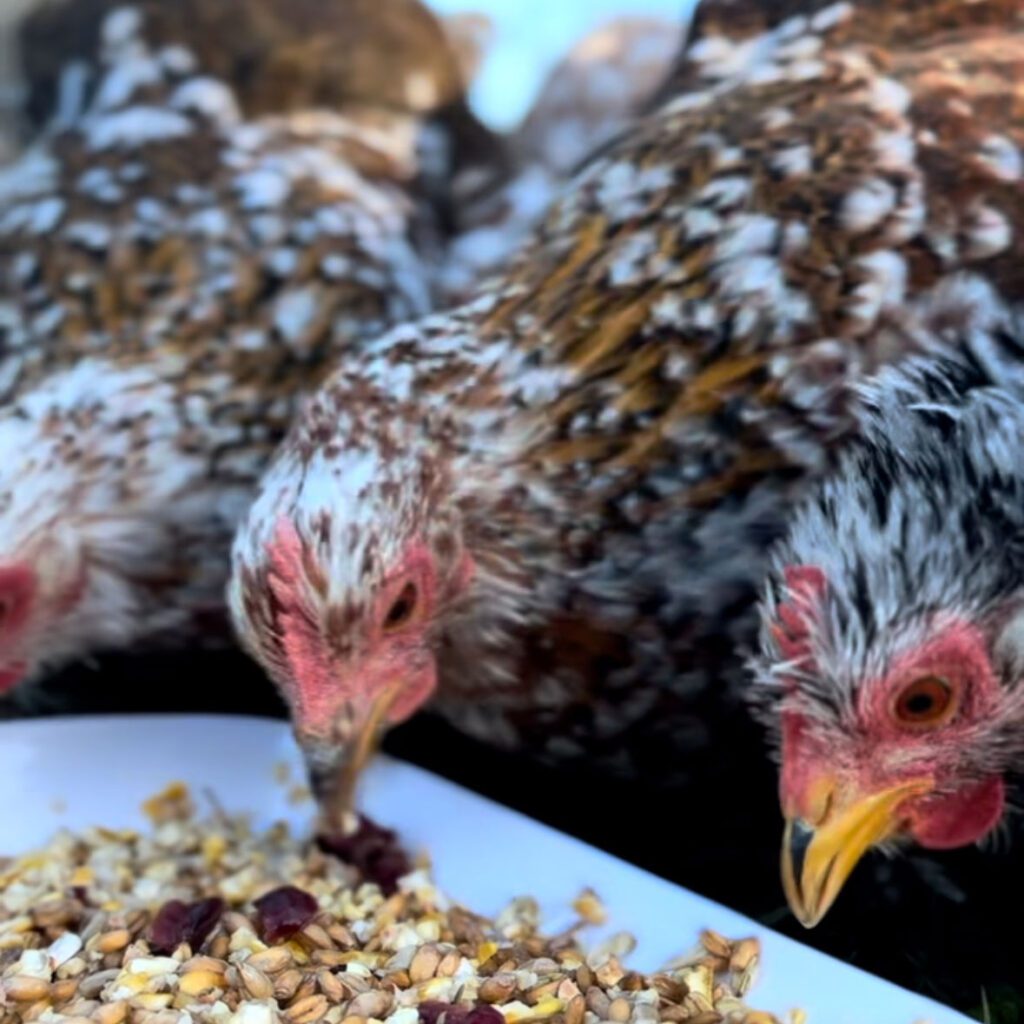
Feeding chickens the right way isn’t just about nutrition—it’s about keeping them engaged, active, and full of energy. Give them space to forage, scatter some healthy treats, and watch them scratch and peck to their heart’s content.
By sticking to the right foods and avoiding the banned ones, you’ll ensure your girls stay healthy, keep laying beautiful eggs, and live long, happy lives.
So next time your hens give you the look as you snack on something tasty, you’ll know exactly what you can (and can’t) share with them.
For the bigger picture on diet, feed types and portions, see our complete guide to feeding chickens.